
Xyleborus sobrinus
Xyleborus sobrinus
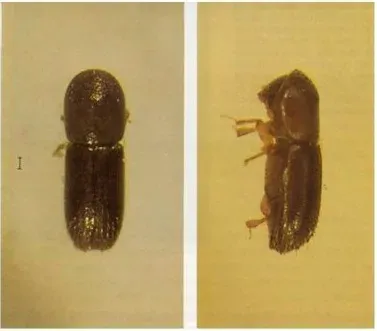
Description
How to identify
Xyleborus sobrinus is a member of the weevil family, specifically the bark beetle subfamily (Scolytinae). These are small xylem-mycetophagous beetles, typically measuring only a few millimeters in length.
The adults possess a cylindrical body shape, which is characteristic of the Xyleborus genus. Their coloration ranges from dark brown to black, providing camouflage within the bark crevices.
A key biological trait of these beetles is their symbiotic relationship with fungi. They do not consume wood directly; instead, they cultivate "ambrosia" fungi within their galleries to serve as their primary protein source.
Females are equipped with specialized organs called mycangia, which are used to transport fungal spores to new host trees during dispersal flights.
The life cycle is tightly coupled with wood moisture and the health of the host tree, as they preferentially colonize trees weakened by environmental stressors.
What it damages
This pest species infests both broadleaf and coniferous trees. In agricultural settings, it poses a significant threat to fruit orchards, particularly those under management stress.
The beetles can colonize trunks, branches, and even small twigs if the tree exhibits signs of physiological stress due to drought or poor maintenance.
Damage is caused by the construction of extensive galleries inside the wood, which disrupt the vascular system and compromise the structural integrity of the plant.
A major aspect of its pathogenicity is the introduction of symbiotic fungi into the tree tissues, which block the xylem vessels, leading to rapid wilting and dieback.
Under heavy infestation pressure, Xyleborus sobrinus can cause the death of an entire tree within a single season if no corrective actions are taken.
Signs of infestation
The earliest sign of infestation is the presence of tiny entry holes in the bark, typically 1-2 millimeters in diameter, resembling pinpricks or drill holes.
Accumulations of frass, or fine wood dust, can often be seen around these entry points as the beetles eject debris while excavating their internal tunnels.
Premature yellowing or browning of leaves on specific branches indicates that the water transport system has been severely compromised by fungal growth.
Upon removing a section of the bark, one can observe branching galleries with walls stained black by the established fungal mycelium.
Affected trees may also exude sap or resin as a natural defense mechanism in response to the physical damage and fungal invasion caused by the beetles.
Control measures
The primary control strategy is to maintain optimal tree health through proper horticultural practices. Vigorous trees with sufficient irrigation and nutrition are less susceptible to colonization.
Sanitation is crucial; all heavily infested wood, branches, or entire trees should be removed and destroyed to prevent the beetles from spreading to healthy specimens.
Regular monitoring of the orchard is essential, especially during drought conditions when trees are most prone to stress and attractive to wood-boring insects.
Systemic insecticides may be utilized during the peak flight period of adult beetles, although application should strictly follow integrated pest management guidelines.
The use of pheromone-based traps serves as an effective tool for early detection and for monitoring population levels to inform management decisions.
Taxonomy
- Latin name
- Xyleborus sobrinus
- Order
- Coleoptera (beetles)
- Family
- Curculionidae
- EPPO code
- XYLBSB
Discussion
No discussions yet — be the first.