
Xyleborus mysticulus
Xyleborus mysticulus
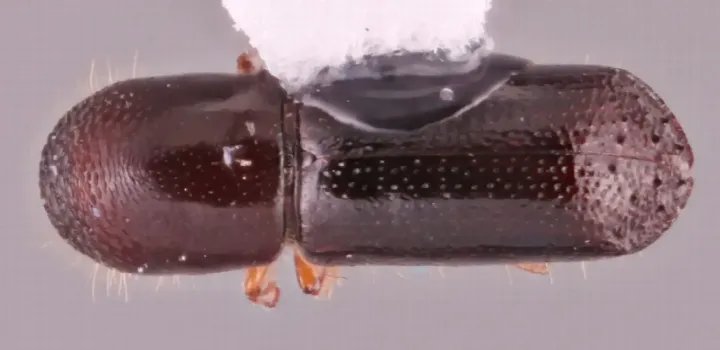
Description
How to identify
Xyleborus mysticulus belongs to the Curculionidae family, specifically within the Scolytinae subfamily. These are small beetles adapted for wood-boring activities.
The adult beetle possesses a cylindrical body shape, which allows it to move efficiently within the narrow tunnels it constructs inside tree tissues.
Their coloration ranges from dark brown to black, aiding in camouflage against the bark of their host trees during the initial stages of colonization.
They are known as ambrosia beetles because they farm symbiotic fungi, which serve as the primary food source for both adults and their developing larvae.
Adult females have specialized structures called mycangia used for transporting fungal spores to new host trees, ensuring the survival of their offspring.
What it damages
The primary targets for Xyleborus mysticulus are weakened, stressed, or recently felled trees, as they are less capable of defending against colonization.
In agricultural settings, these beetles can severely damage orchards, particularly affecting fruit trees that have been compromised by environmental factors.
The tunnels created by the beetles penetrate deep into the xylem, disrupting the plant's ability to transport water and essential nutrients effectively.
Continuous boring activities weaken the structural integrity of the branches and trunks, making trees susceptible to wind breakage and secondary diseases.
In cases of heavy infestation, the combined effect of mechanical damage and the spread of pathogenic fungi can lead to the rapid decline and death of the tree.
Signs of infestation
A key indicator of infestation is the presence of fine wood dust, often referred to as boring dust, collecting at the base of the tree or in bark crevices.
Small entry holes are visible on the bark surface, sometimes accompanied by the oozing of sap or gum as the host tree attempts to seal the wounds.
Cross-sections of infested wood typically reveal darkened, discolored galleries, a clear result of the fungal growth introduced by the invading beetles.
Tree foliage may show signs of yellowing or wilting, reflecting the interruption of the plant's internal fluid transport system due to beetle activity.
Peeling back the bark exposes a complex network of tunnels, which confirms the presence of the beetle colonies and the extent of the damage inflicted.
Control measures
Maintaining tree health through proper irrigation, fertilization, and site management is the most effective way to prevent successful beetle colonization.
Regular sanitation practices are essential, including the prompt removal and destruction of dead, dying, or heavily infested wood to reduce beetle populations.
Chemical control involving systemic insecticides can be applied as a preventive measure during the beetles' peak flight and emergence periods.
Monitoring using pheromone-baited traps allows orchard managers to detect the arrival of the beetles and initiate protection strategies promptly.
Effective orchard hygiene, including clearing woody debris from the vicinity, denies the beetles potential breeding grounds for subsequent generations.
Taxonomy
- Latin name
- Xyleborus mysticulus
- Order
- Coleoptera (beetles)
- Family
- Curculionidae
- EPPO code
- XYLBMY
Discussion
No discussions yet — be the first.