
Vogtia
Vogtia
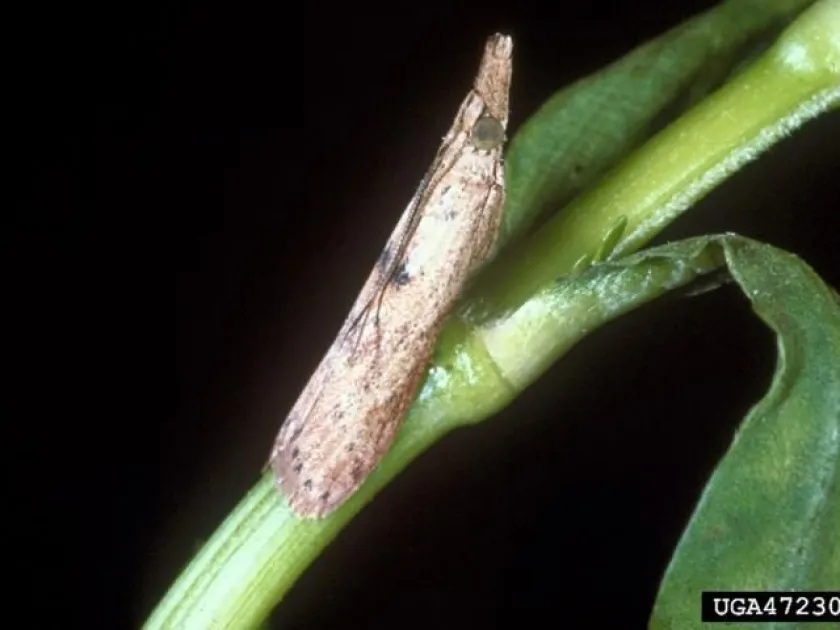
Description
How to identify
Vogtia is a genus of moths belonging to the family Pyralidae, order Lepidoptera. These insects are specialized pests that primarily target plants within the Cactaceae family.
The adult moth is relatively small, with cryptic coloration designed to blend into the surface of succulent stems, providing excellent camouflage against natural predators.
The larvae, or caterpillars, are known for their concealed lifestyle, often boring directly into the fleshy parts of the host plant to feed on inner tissues.
Accurate identification of the species usually requires specialized entomological study of genital morphology, as many species within the genus exhibit similar external traits.
They are well-adapted to the environment of their host plants, often utilizing the spines and natural folds of the cacti to shelter their eggs and young larvae.
What it damages
Vogtia larvae cause extensive damage to cacti by boring tunnels into the succulent stems (cladodes), which disrupts the plant's structural integrity and physiological processes.
By consuming the internal parenchyma of the cactus, the larvae create large cavities that weaken the plant, making it prone to collapse or breaking under its own weight.
This feeding activity significantly reduces the plant's ability to photosynthesize, leading to stunted growth, loss of vigor, and reduced aesthetic or commercial value.
Furthermore, the holes created by the larvae serve as entry points for secondary pathogens, such as bacteria and fungi, which can cause rapid rot and lead to the death of the entire plant.
In commercial cactus nurseries, an infestation of Vogtia can result in severe financial losses, as affected plants often become unsalable due to scarring and structural damage.
When it appears
The life cycle of Vogtia is highly dependent on environmental factors, particularly temperature and humidity, which dictate the speed of development and the number of generations per year.
Overwintering typically occurs during the pupal or larval stage, often hidden within dry plant remains, soil, or deep inside the hollowed-out remnants of previously infested cacti.
Adult moths emerge when temperatures become favorable, typically in late spring, initiating the mating process and the subsequent egg-laying cycle on healthy host plants.
The highest levels of larval activity are observed during the peak growing season of the host cacti, coinciding with increased water and nutrient content in the plant tissues.
As temperatures drop in autumn, the larvae enter a period of reduced activity or diapause, remaining in protected areas to survive the winter season until conditions improve.
Signs of infestation
One of the most indicative signs of a Vogtia infestation is the presence of larval frass (excrement), appearing as a powdery residue on the plant's surface or at its base.
Small, circular entry or exit holes on the epidermis of the stem are clear indicators that larvae have bored into the plant's interior tissues.
The affected area often shows signs of discoloration, turning darker or yellowish as the internal rot sets in, often accompanied by a loss of turgor in the stem.
The presence of fine webbing covering entry points or bridging gaps between stems is a common behavior used by larvae to protect their tunnels from intruders.
Severe infestations manifest as visible structural deformities, shriveling of the stems, and a general decline in the plant's health, often culminating in total decay if untreated.
Control measures
Manual control involves the regular inspection of plants and the physical removal of infested segments, which should be destroyed immediately to stop the spread of the pest.
Chemical control focuses on the use of systemic insecticides that are absorbed by the plant tissues, effectively targeting the larvae hiding within the stem.
- Utilizing pheromone traps to monitor adult moth populations.
- Applying contact insecticides during the emergence phase of the adults.
- Sanitizing the cultivation area by removing all debris and dead plant material.
- Introducing biological control agents that prey on larvae in greenhouse environments.
Rigorous quarantine procedures for newly acquired plants are essential to prevent the introduction of Vogtia into an existing collection or nursery setting.
Integrated Pest Management (IPM) strategies, which combine cultural practices, biological tools, and targeted chemical applications, provide the most sustainable long-term success.
Taxonomy
- Latin name
- Vogtia
- Order
- Lepidoptera (butterflies)
- Family
- Pyralidae
- EPPO code
- VOGTSP
Discussion
No discussions yet — be the first.