
Uroobovella
Uroobovella
Description
How to identify
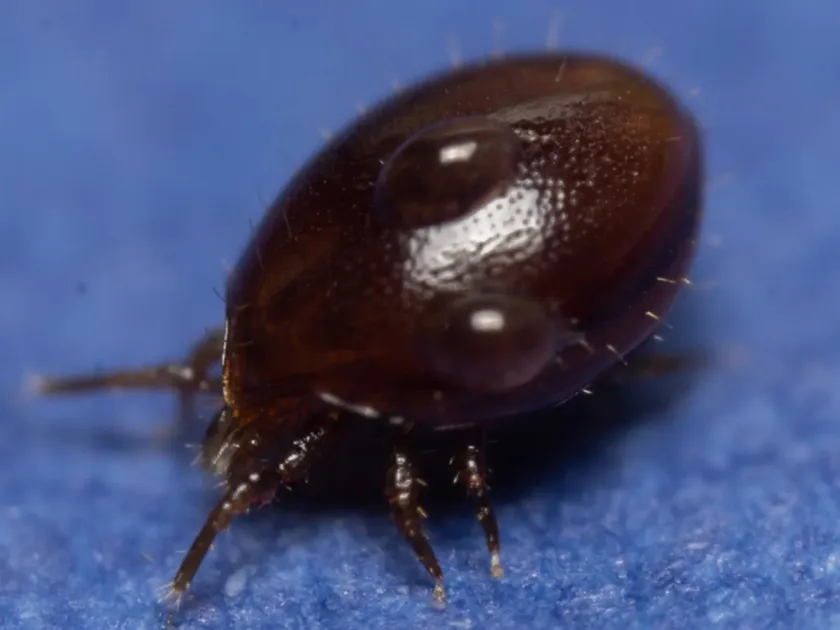
Uroobovella is a genus of mites belonging to the family Uropodidae, part of the Mesostigmata order. They are characterized by a heavily sclerotized, rigid body.
These mites typically display a brownish-black coloration and a flattened, oval shape, which serves as a highly effective defense mechanism in their natural habitat.
A unique feature of this genus is the presence of a specialized nymphal stage known as the "deutonymph," which can hitchhike on insects to disperse to new locations.
Adult mites are microscopic or near-microscopic, often living deep within the organic material, making them difficult to spot with the naked eye during initial inspections.
Identification often requires careful microscopic examination of samples to distinguish them from other common soil-dwelling arthropods present in greenhouse substrates.
What it damages
While often considered non-parasitic scavengers, Uroobovella can cause significant indirect damage in intensive greenhouse agricultural systems.
Large populations of these mites can lead to the physical disruption of the root zone, particularly in young seedlings sensitive to external environmental changes.
By inhabiting the root area, they may facilitate the spread of fungal pathogens, as their movement creates pathways for bacteria and fungi to enter root tissue.
Reduced vigor and stunted growth in nursery plants are common outcomes of high mite density, as the plants struggle to uptake nutrients effectively.
In high-moisture commercial setups, the mites can become a primary concern by feeding on tender plant materials or tender roots that are already weakened.
When it appears
The activity of these mites is primarily governed by the moisture levels and temperature of the substrate they inhabit throughout the year.
In greenhouse conditions, they remain active year-round provided that the organic substrate maintains a consistent level of humidity and warmth.
Mass outbreaks are most commonly observed during the spring and summer, correlating with increased nursery activities and optimized plant growing conditions.
During the cooler months, the population tends to stabilize or decrease as the metabolism of the mites slows down in response to temperature changes.
Migration typically increases when the substrate becomes either too dry or saturated, prompting the mites to move in search of more stable environmental niches.
Signs of infestation
The primary sign of infestation is the observation of small, dark, mobile particles clustered on the surface of growing media or container edges.
Plants affected by a high concentration of mites often show a lack of vitality, with foliage turning pale despite appropriate fertilization and light exposure.
Microscopic necrotic lesions on the roots are a common indicator of mite interference with the healthy root development of younger vegetable crops.
An unpleasant, musty odor coming from the pots or trays often signals high biological activity, including that of mite populations feeding on organic matter.
Soil sampling and subsequent diagnostic processing are necessary to confirm the presence and density of Uroobovella in the commercial growing substrate.
Control measures
The foundation of effective management is strictly controlling the quality of growing substrates and ensuring they are free from potential mite infestations.
Implementing heat sterilization for all potting mixes and soil components is the most reliable method for eradicating existing mite colonies before planting.
Sanitation practices, such as removing discarded plant material and cleaning greenhouse equipment, significantly limit the habitats available for these mites.
Biological control methods, using predatory mites that feed on soil-dwelling pests, offer a sustainable alternative for maintaining low population levels.
- Regular moisture management to avoid stagnant water conditions in growing media.
- Application of targeted acaricides if population thresholds are significantly exceeded.
- Routine monitoring of seedling health through periodic visual and laboratory inspections.
Taxonomy
- Latin name
- Uroobovella
- Order
- Mites
- Family
- Uropodidae
- EPPO code
- UROOSP
Discussion
No discussions yet — be the first.