
Tyrannus
Tyrannus
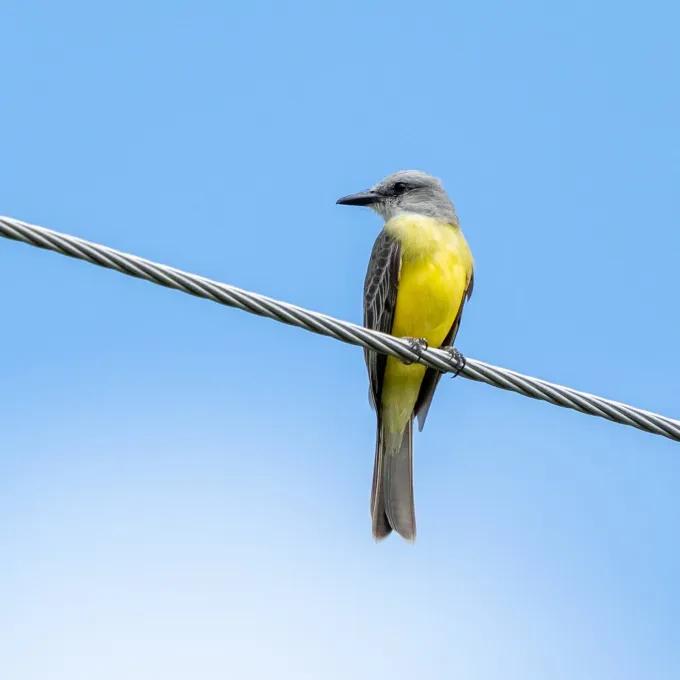
Description
How to identify
The genus Tyrannus includes insects belonging to the order Coleoptera and the family Curculionidae (weevils). Morphologically, these are relatively small beetles with an elongated body and a characteristic long snout, which allows them to effectively feed on plant tissues.
Adults have dense dark-colored covers, often with small scales, which help them camouflage against bark or soil substrate. Larvae typically have a C-shaped form, a whitish color, and a legless structure, which is typical for many members of this family.
The development cycle includes complete metamorphosis: egg, larva, pupa, and adult (imago). Optimal conditions for the insect's activity include a moderately humid climate and the presence of sufficient food resources in the form of specific plant tissues.
Adults lead a secretive lifestyle, becoming active mainly during twilight hours or in periods of low solar radiation. Identification is difficult due to the small size of the pest, so agronomists often focus on specific plant damage.
The spread of the species occurs both naturally and through the movement of infested plant material, making quarantine measures extremely important for preventing the expansion of the pest into new regions.
What it damages
The pest affects a wide range of agricultural crops, including industrial and horticultural plantings. Young shoots, buds, and fruit ovaries are most severely damaged, as they are subjected to intensive punctures by the adults.
Larvae cause the main damage by developing inside plant tissues, creating tunnels in stems or fruits. This leads to a disruption of the normal circulation of nutrients and water, which significantly slows down the growth and development of the affected plant.
Severe infestation often leads to secondary infection by fungal or bacterial pathogens that penetrate the damage sites left by the insects. As a result, not only is the overall quality of the crop reduced, but its marketability as well.
Economic damage is determined by a significant loss in fruit mass and a decrease in sugar content for fruit crops. In the case of mass reproduction, complete crop loss is possible in specific areas.
Damaged plants may also show signs of premature fruit drop and shoot deformation, making further full vegetative development impossible without professional intervention.
When it appears
The activation of overwintered individuals begins in spring with the onset of stable positive air temperatures, usually during the bud swell phase of most agricultural crops.
The peak of pest abundance occurs during the flowering and young ovary formation period, as this is when plants are most vulnerable to feeding and egg-laying by adult insects.
The summer generation of pests continues to cause damage throughout the entire growing season, changing generations depending on the regional climate and moisture availability.
Preparation for hibernation occurs in the soil layer or under plant residues, where insects enter diapause upon the onset of autumn cooling.
Understanding seasonal cycles allows for effective planning of chemical treatment schedules, which is critical for minimizing the pesticide load on the environment.
Signs of infestation
The first visual sign of the pest's presence is the appearance of small pin-point punctures on the surface of leaves and young shoots, which quickly turn dark.
Deformation or drying out of individual plant parts, especially apical buds, indicates damage to internal tissues by larvae, which limits sap transport.
The presence of specific excrement on the leaf surface or in the axils of branches often indicates active adult behavior during nighttime.
The falling of young ovaries, which contain eaten-out cavities inside, is a sure sign of larvae presence within the plant's reproductive organs.
- Yellowing of leaves in infestation spots.
- Presence of holes in fruits.
- Reduced turgor pressure of young shoots.
Control measures
The complex of protective measures starts with agrotechnical methods: deep autumn plowing, which contributes to the death of overwintering individuals in the soil horizon.
An important technique is the timely removal and destruction of plant residues, where the pest can persist during the autumn-winter period.
The use of biological control agents, such as entomopathogenic fungi or the introduction of natural entomophages, shows good results in integrated protection programs.
Chemical treatment is carried out with systemic insecticides during the period of mass emergence of the pest, according to the application regulations for a specific crop.
Monitoring abundance using pheromone traps allows for precise determination of the start dates for control measures and significantly increases their economic efficiency.
Taxonomy
- Latin name
- Tyrannus
- Family
- Tyrannidae
- EPPO code
- TYRASP
Discussion
No discussions yet — be the first.