
Trymalitis
Trymalitis
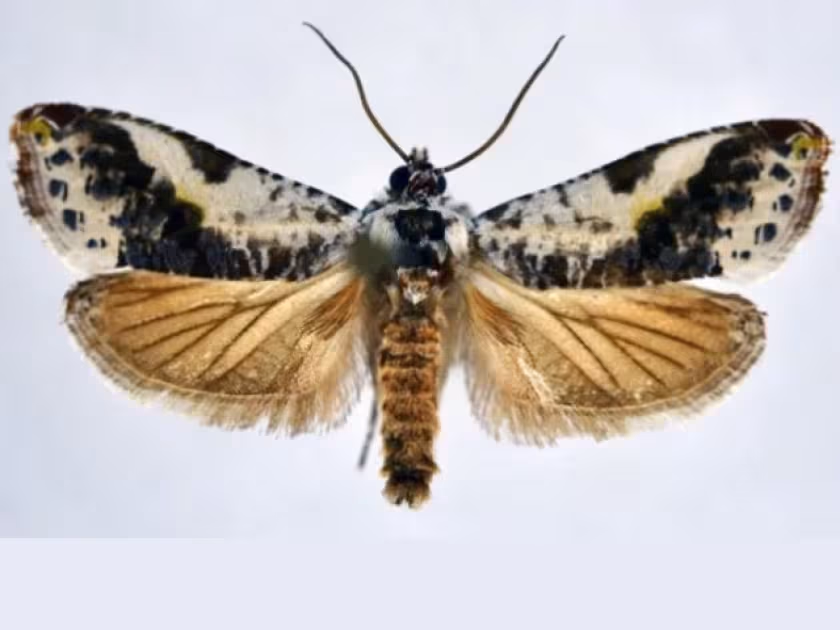
Description
How to identify
Trymalitis is a genus of insects belonging to the order Lepidoptera, family Pyralidae. These moths are characterized by a specific wing morphology that is common within the subfamily Phycitinae, often requiring microscopic examination for precise identification.
The life cycle of this pest undergoes complete metamorphosis, consisting of the egg, larva, pupa, and adult stages. The larvae are the primary damaging agents, exhibiting high nutritional activity during their developmental stages.
Identification in the field often relies on observing the characteristic damage patterns, such as webs and larval excrement left on leaves or inside flower heads. The adults are nocturnal and are frequently monitored using light traps or pheromone dispensers.
Environmental factors, particularly temperature and humidity, play a crucial role in the development rate and population dynamics of the pest. Depending on the geographical region, there may be multiple generations per year.
Understanding the biology of Trymalitis is essential for developing effective monitoring programs. By tracking the flight period of adults, farmers can predict the onset of larval activity and prepare timely intervention strategies.
What it damages
Trymalitis causes significant damage to various agricultural crops by feeding on generative organs. The larvae often tunnel into fruit, flower buds, or pods, leading to direct yield loss and reduced market quality of the produce.
The mechanical damage caused by the larvae serves as an entry point for secondary infections, such as molds and bacteria. This can lead to rapid decay of damaged parts, significantly increasing the total impact on the crop.
High infestation levels often result in premature fruit drop or flower abortion. This loss of reproductive tissue directly limits the yield potential of the infected fields, requiring immediate containment measures.
In addition to direct feeding, the presence of larvae leads to the contamination of harvestable parts with waste products, which may trigger sanitary concerns and reduce the storage stability of the crops.
Long-term impact on plant health is also significant, as the stress caused by the feeding activity can make the plants more susceptible to abiotic factors like drought or nutritional deficiencies.
Control measures
Integrated Pest Management (IPM) is the most effective approach for controlling Trymalitis. This includes cultural practices such as deep plowing to disturb the pupation sites in the soil after harvest.
Monitoring using pheromone traps is highly recommended to determine the optimal timing for intervention. By targeting the most vulnerable stage of the larval development, the efficacy of control treatments is maximized.
Biological control, using biopesticides based on Bacillus thuringiensis, offers a sustainable alternative to conventional chemicals. These products are effective against young larvae while preserving beneficial insect populations.
If chemical application is necessary, it is crucial to use selective insecticides that minimize harm to pollinators and predators. Rotating active ingredients helps to prevent the development of resistant pest populations.
- Post-harvest deep tillage.
- Use of pheromone and light traps.
- Application of microbial biopesticides.
- Regular field scouting and monitoring.
- Maintaining crop rotation practices.
Taxonomy
- Latin name
- Trymalitis
- Order
- Lepidoptera (butterflies)
- Family
- Tortricidae
- EPPO code
- TRYMSP
Discussion
No discussions yet — be the first.