
Relatives short-tailed aphid
Truncaudum agnatum
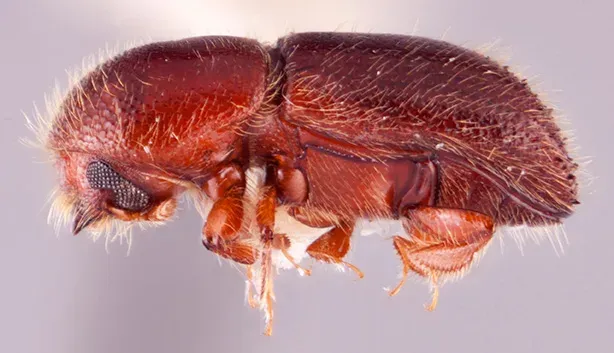
Description
How to identify
The relative short-tailed aphid (Truncaudum agnatum) is a small insect species belonging to the Aphididae family. It is recognized by its distinct morphology, specifically the reduced siphunculi on its abdomen.
Adults typically measure between 2 and 3 mm in length. Their coloration ranges from light green to yellow, providing effective camouflage against the foliage of their host plants.
The life cycle involves an alternation of asexual and sexual reproductive phases. During spring, overwintering eggs hatch into fundatrices, which initiate the establishment of large colonies.
Colonies consist of both apterous (wingless) and alate (winged) forms. Winged individuals serve as dispersal agents, allowing the population to colonize new plant hosts rapidly throughout the season.
This species is characterized by its high reproductive rate, which allows it to reach damaging population levels in a relatively short period under favorable climate conditions.
What it damages
This aphid infests a variety of agricultural and horticultural crops. It primarily targets young, tender plant tissues, including new leaves, shoots, and developing flower buds.
Feeding occurs through the piercing-sucking mouthparts, which extract phloem sap from the host plant. This process causes significant nutrient depletion and physiological stress to the plant.
Symptoms of feeding damage include leaf curling, yellowing (chlorosis), and severe stunting. If left untreated, the plant's overall growth rate and vigor are drastically reduced.
Beyond direct damage, Truncaudum agnatum acts as a vector for various plant viruses. When the aphid probes the tissue, it can transmit pathogens that cause systemic infections.
The excretion of honeydew promotes the growth of sooty mold. This layer of black fungus inhibits photosynthesis by covering the leaf surface, further compromising the plant's health.
Signs of infestation
The most prominent sign of infestation is the deformation of young leaves, which often curl or roll inwards. These structures provide protection for the aphid colonies.
A shiny, sticky substance known as honeydew covers the leaves and stems. This residue is a clear indicator of aphid presence and often attracts foraging ants to the host plant.
Small, pale spots or chlorotic areas appear on the leaves where feeding has occurred. Over time, these areas may turn necrotic, leading to leaf drop in sensitive plant species.
The presence of exuviae (white, discarded skins) on the leaf surface is another sign that the aphid colony is actively developing and undergoing growth stages.
Visible wilting of the plant tips or the abortion of flower buds despite adequate watering is a classic sign of high infestation levels that require immediate attention.
Control measures
Integrated pest management starts with cultural practices. Removing weeds around the field perimeter reduces alternative host sites for the aphids to persist.
Biological control agents, such as ladybird beetles (Coccinellidae) and lacewings, play a crucial role in regulating aphid populations naturally. Avoid using broad-spectrum insecticides that kill these beneficial insects.
Chemical intervention should be limited to the use of systemic insecticides when thresholds are exceeded. These products ensure internal protection, reaching aphids hidden in curled leaves.
Strategic planting and crop rotation can prevent the buildup of pest populations. Utilizing varieties with natural resistance or tolerance to aphid feeding is an effective long-term strategy.
For smaller infestations, horticultural soaps or oils can be applied. These substances work by contact, disrupting the aphid's cuticle or spiracles, providing a safe alternative to synthetic chemicals.
Taxonomy
- Latin name
- Truncaudum agnatum
- Order
- Coleoptera (beetles)
- Family
- Curculionidae
- EPPO code
- TRUCAG
Discussion
No discussions yet — be the first.