
Truncaudum
Truncaudum
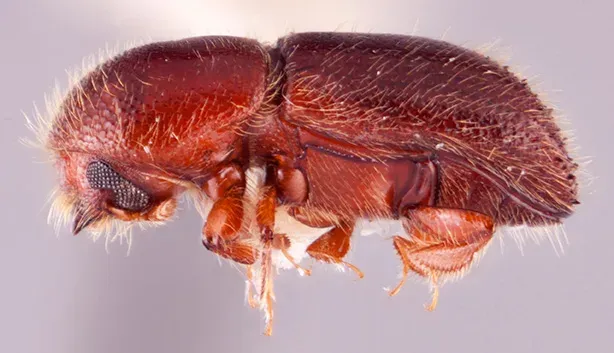
Description
How to identify
Truncaudum is a genus of microscopic soil-dwelling organisms classified within the group of plant-parasitic nematodes. These pests represent a significant challenge for modern agriculture due to their ability to inhabit the root zone of various crops.
The morphology of these nematodes includes a slender, vermiform body equipped with a specialized stylet. This structure is essential for piercing plant cell walls to extract cytoplasmic nutrients, leading to cellular damage.
Due to their microscopic size and soil-dwelling nature, identification via visual inspection is nearly impossible in the field. Laboratory diagnostics using standardized soil sampling and extraction methods are required to detect their presence.
The life cycle of Truncaudum is heavily influenced by soil moisture levels. High humidity facilitates their mobility and reproduction, making them particularly problematic in irrigated fields or regions with high rainfall.
As obligate parasites, they rely exclusively on host plant tissue for survival. This biological dependency is a critical factor when designing effective crop rotation programs to interrupt their life cycle.
What it damages
These pests affect a wide array of agricultural and ornamental species. By targeting the root systems, they directly impair the plant's ability to maintain water and nutrient homeostasis, which is vital for normal growth.
The feeding process causes physical destruction of root tissue and initiates a metabolic response that redirects plant energy away from yield production. As a result, affected plants show stunted growth and reduced vigor.
Secondary infections are a common consequence of nematode damage. Fungi and bacteria often colonize the wounds created by the nematodes, leading to root rot and systemic decay that further destabilize the host plant.
In greenhouse settings, Truncaudum can cause severe economic losses. The controlled climate and consistent moisture encourage rapid population explosions, potentially destroying entire batches of sensitive crops.
Visible damage typically manifests as nutrient deficiencies, even when soil testing confirms adequate fertility. The failure of plants to respond to standard fertilization is often an indicator of root-level stress caused by parasites.
When it appears
The seasonal activity of Truncaudum is tied to soil temperature and moisture cycles. Warm, moist conditions during the early growth stages of crops act as a trigger for increased nematode mobility and feeding.
Summer months, particularly in systems with excessive or poorly managed irrigation, support the highest reproductive rates. The pests exploit these moist pathways to migrate through the soil profile toward healthy roots.
As soil temperatures drop in the autumn, the metabolic activity of the nematodes decreases. They have developed mechanisms to survive winter, either by entering a state of dormancy or residing within organic root debris.
Greenhouse environments essentially eliminate traditional seasonal barriers. If the climate remains stable throughout the year, the pest population can persist and reproduce indefinitely without a winter pause.
Monitoring efforts should be intensified during the critical growth phases of the crop. Early detection in the season is vital, as it allows for the implementation of mitigation strategies before the population reaches damaging levels.
Signs of infestation
The first external sign of infestation is often generalized wilting during peak sunlight hours. This indicates that the compromised root system is unable to compensate for transpirational water losses.
Yellowing of leaves, or chlorosis, often mimics mineral deficiencies. However, the lack of positive reaction to nitrogen, phosphorus, or potassium applications serves as a clue that the issue is rooted in biological damage.
Examination of the roots often reveals stunted growth and the absence of secondary root development. In severe cases, necrotic lesions and tissue deformities can be observed, which are characteristic of parasitic attack.
Infestation patterns are usually localized. Healthy areas may be bordered by distinct patches of reduced plant height or vigor, illustrating how the pest gradually spreads through the soil from an initial infection point.
Professional soil analysis remains the gold standard for confirmation. Detecting the presence of Truncaudum in samples allows growers to make informed decisions about soil treatments and future crop selection.
Control measures
Effective management begins with strict crop rotation practices. Avoiding the planting of susceptible host species in infested soil for multiple cycles helps naturally diminish the pest population over time.
Preventative measures must focus on ensuring the use of clean, nematode-free propagation material. Sanitation of farm machinery and tools between sites is essential to prevent the cross-contamination of healthy fields.
Chemical control via nematicides is an option, though it should be applied as part of an integrated approach. The efficiency of these treatments depends heavily on proper application techniques and soil physical properties.
Cultural methods include deep plowing, which exposes nematode populations to desiccation and direct sunlight, effectively reducing their survival rate in the upper soil layers.
- Utilizing bio-fumigant cover crops, such as specific mustard varieties, to suppress population levels naturally.
- Maintaining optimal irrigation to prevent stagnant water in the root zone.
- Conducting regular soil health testing to detect and manage population spikes early.
Taxonomy
- Latin name
- Truncaudum
- Order
- Coleoptera (beetles)
- Family
- Curculionidae
- EPPO code
- TRUCSP
Discussion
No discussions yet — be the first.