
Truncatella
Truncatella
Description
How to identify
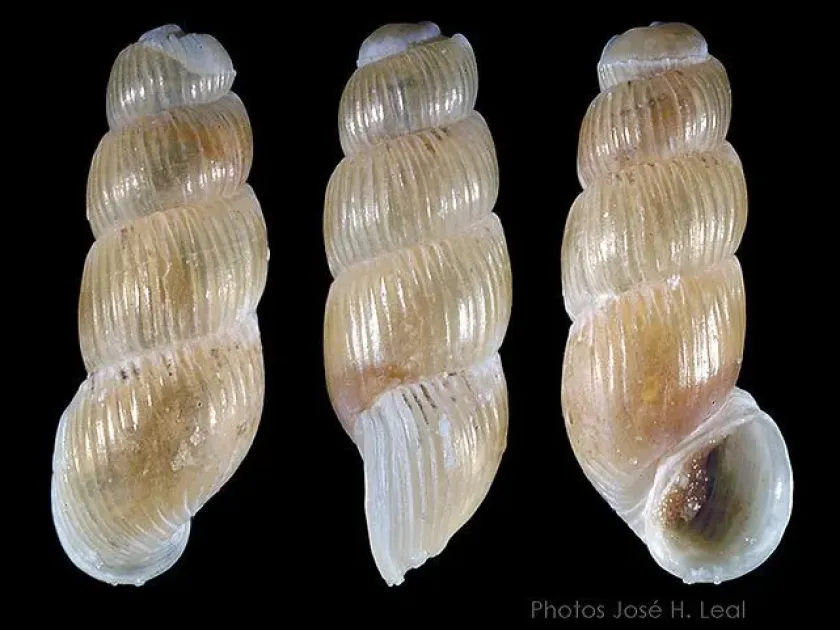
Truncatella is a genus of minute snails within the family Truncatellidae, characterized by their small, amphibious nature and cylindrical shell morphology.
The shells of these mollusks are typically truncated, as the upper whorls are often shed by adult individuals, which is a key diagnostic feature.
They usually measure between 5 to 7 millimeters in length, possessing a distinct ribbed surface that helps distinguish them from other small garden snails.
These organisms are typically found in moist environments, including salt marshes, but they easily adapt to damp soil in greenhouses and garden beds.
Their coloration ranges from light horn to brown, allowing them to blend effectively with moist soil and decomposing organic matter.
What it damages
While often feeding on detritus, Truncatella can cause significant damage when their population density increases, leading them to consume living plant tissues.
They predominantly target the roots and lower stems of vegetable seedlings and ornamental plants, especially those cultivated in moist, humid conditions.
Feeding damage manifests as eaten epidermis and shredded rootlets, which significantly weakens the plant and stunts its overall growth.
In greenhouses, they pose a serious threat to nursery stock, where they hide in the moist substrate of pots and damage delicate young roots.
The resulting wounds provide entry points for pathogenic fungi and bacteria, which can cause secondary rot and death of the plant.
When it appears
Truncatella activity is heavily dependent on moisture levels; they are most problematic during rainy seasons or in areas with consistent irrigation.
In greenhouse environments, these snails can maintain an active lifecycle year-round due to the stable microclimate and constant soil humidity.
The peak of their reproductive activity usually occurs during warmer spring and summer months, when temperatures favor faster developmental cycles.
During dry spells, they retreat deep into the soil or under debris, surviving until moisture returns to the environment.
Monitoring for their activity should be prioritized during periods of high humidity to prevent rapid population explosions in sensitive plant areas.
Signs of infestation
The presence of dried mucus trails on soil surfaces, garden paths, or pots is a primary indicator of Truncatella activity in the area.
Finding tiny, cylindrical, truncated shells among the mulch or in the soil suggests the presence of an established colony of these pests.
Unexplained wilting of seedlings, especially when soil moisture is adequate, is a sign that the root system has been compromised by mollusks.
Visual observation at night or during overcast, damp weather allows for the detection of the snails moving near the base of the stems.
Small, irregular holes in the lowest leaves of a plant indicate that snails have climbed up to feed during the night.
Control measures
Cultural control, such as removing debris and dead plant material, is essential as it eliminates the habitats that snails use for shelter.
Trapping can be highly effective: placing damp wooden boards or dark fabric near susceptible plants attracts snails, which can then be collected and removed.
Barriers made of abrasive materials like crushed eggshells, coarse sand, or gravel help prevent snails from reaching vulnerable garden plants.
In severe infestations, molluscicides containing metaldehyde or iron phosphate may be used, provided they are applied according to safety guidelines.
Promoting a garden environment that supports natural predators, such as carabid beetles, toads, and hedgehogs, serves as a sustainable long-term control method.
Taxonomy
- Latin name
- Truncatella
- Order
- Molluscs
- Family
- Truncatellidae
- EPPO code
- TRNLSP
Discussion
No discussions yet — be the first.