
Triotemnus
Triotemnus
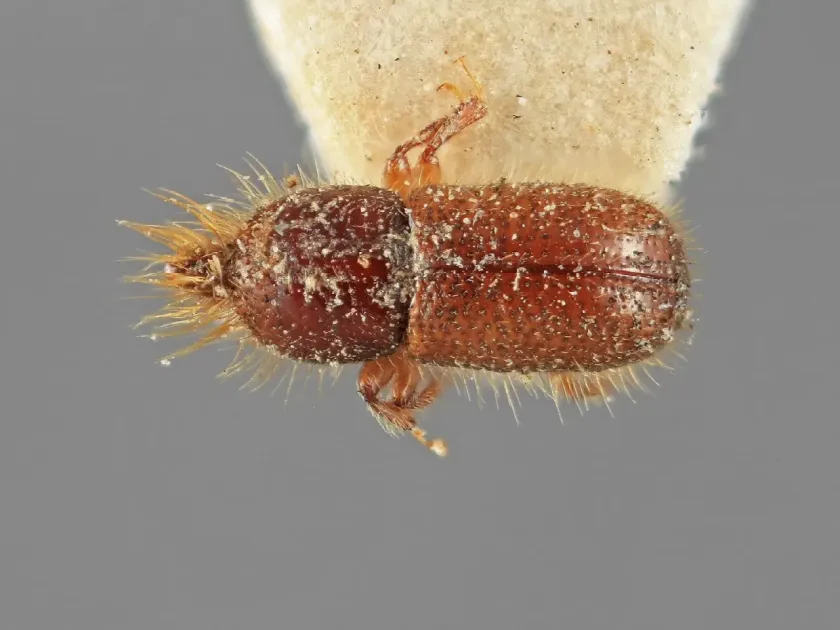
Description
How to identify
Triotemnus is a genus of insects within the order Coleoptera, belonging to the Curculionidae family, commonly known as true weevils. These insects are characterized by a distinct rostrum, which allows them to feed and deposit eggs deep within plant tissues, protecting the larvae from external threats.
Adult weevils of this genus typically exhibit an oval or elongated body shape covered with small, dense scales that often match the texture and color of the plant surface. This camouflage is a critical evolutionary adaptation that protects them from avian predators during feeding periods.
The larvae of Triotemnus are legless, curved, and typically white or yellowish in color. They spend their entire developmental cycle inside the plant organs, primarily in the ovaries or developing seed pods, which characterizes them as internal plant feeders.
The life cycle follows a complete metamorphosis: egg, larva, pupa, and adult. In temperate climates, the species may have a single generation per year, though warmer regions may support multiple cycles, significantly increasing the risk of crop damage during the growing season.
For accurate identification, experts utilize microscopic examination of the beetle’s morphological traits, such as the shape of the rostrum and the specific pattern of thoracic markings, which are necessary to distinguish Triotemnus from other closely related weevil genera.
What it damages
The primary hosts of Triotemnus are plants within the Fabaceae family. They are known to attack various leguminous species, including both forage crops like alfalfa and clover, as well as pulse crops that are grown for their seed yield.
The larvae are the primary source of damage. They feed internally on the developing seeds and the surrounding tissue of the pods. This destruction directly impacts the weight and quality of the seed production, often leading to significant economic losses for farmers.
Adult feeding causes less direct damage but contributes to the plant's overall stress. By chewing small, irregular holes in leaves and stems, they expose the plant to pathogen entry, which can lead to further wilting or disease spread throughout the field.
Infestations are particularly critical during the reproductive phase of the plant. If the population density is high, the pest can cause extensive premature pod drop, severely reducing the harvest quantity and forcing premature harvesting of the crop.
Secondary damage often occurs when the waste products and larval cavities within the pods become sites for fungal colonization. This not only destroys the affected seeds but can also degrade the quality of the surrounding healthy seeds, reducing the marketability of the crop.
Control measures
Effective management of Triotemnus requires an integrated pest management (IPM) strategy. Crop rotation is the foundational tactic, as it breaks the pest's life cycle by ensuring that host plants are not grown in the same field in consecutive years.
Deep plowing after the harvest is a highly effective mechanical control method. By burying the soil surface, farmers can expose overwintering larvae and pupae to predators and harsh environmental conditions, significantly reducing the initial population for the next season.
Chemical control should be applied judiciously, focusing on the early flowering stage of the crop. Systemic insecticides are preferred as they penetrate the plant tissue to reach the larvae, providing better efficacy than contact-only sprays.
Conservation of natural enemies, such as parasitic wasps and predatory beetles, is vital for long-term population suppression. Maintaining diverse field margins can provide habitat for these beneficial insects, which act as a natural defense against weevil outbreaks.
- Regular monitoring using sweep nets or sticky traps to detect adult activity.
- Sanitary measures, including the destruction of infested plant debris.
- Selection of cultivars that show resistance or tolerance to seed-feeding pests.
Taxonomy
- Latin name
- Triotemnus
- Order
- Coleoptera (beetles)
- Family
- Curculionidae
- EPPO code
- LYMTSP
Discussion
No discussions yet — be the first.