
Trichoribates
Trichoribates
Description
How to identify
Trichoribates belongs to the family of oribatid mites (Oribatidae), suborder Oribatida. These are small arthropods with a dense chitinous exoskeleton that protects them from harsh environmental conditions.
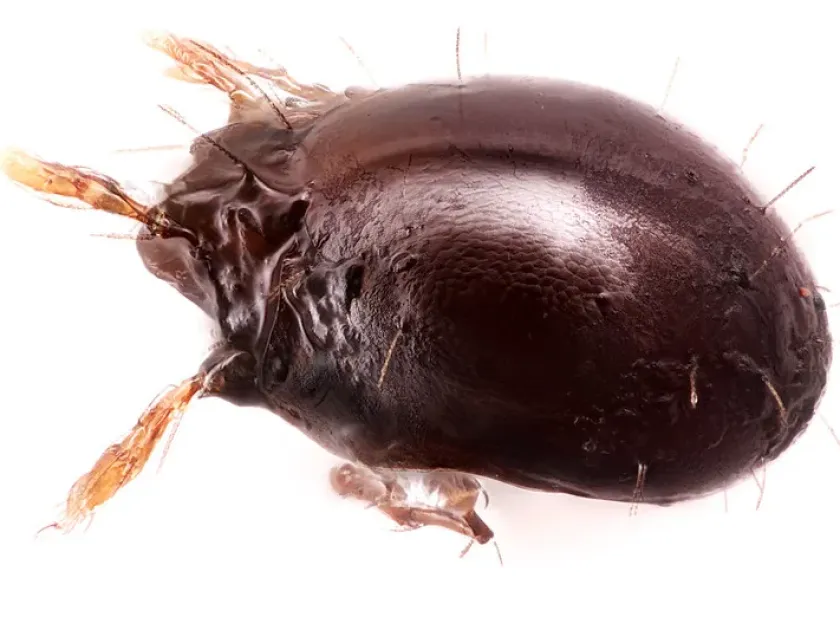
Externally, members of this genus are characterized by the presence of long bristles (setae) on their bodies. Their coloration varies from dark brown to almost black, which helps them camouflage effectively in soil litter.
These mites possess a tracheal respiratory system, which makes them highly resilient. Oribatid mites of this type prefer damp, shaded areas where high levels of organic matter are maintained.
The development process includes stages of egg, larva, two nymphal stages, and adult. The life cycle is quite long, often depending heavily on the climatic conditions of the habitat.
In the soil, these organisms live primarily in a hidden manner, concentrating in the topsoil layers rich in humus or directly around the root zones of plants.
What it damages
The primary damage from Trichoribates species occurs when their population density spikes in nursery facilities or greenhouses with high humidity levels.
These mites can damage young seedlings by feeding on the epidermis of roots and hypocotyls. This weakens the plant's immune system and makes it highly susceptible to secondary pathogens.
Damage to the root system disrupts the normal transport of water and mineral nutrients. Plants begin to show stunted growth, leaves may turn yellow, and in severe cases, the seedlings may perish.
They pose a particular threat in protected cultivation environments where natural predators are absent, allowing for explosive population growth.
Most frequently, vegetable crops, forestry seedlings in nurseries, and ornamental plants grown in peat-based substrates are affected by these mites.
Control measures
Control of Trichoribates begins with maintaining proper temperature and humidity regimes in greenhouses. Regular ventilation reduces humidity, which is detrimental to the mite population.
An effective method is the use of high-quality sterilized substrates. Using unverified sod soil often becomes the primary source of pest introduction into an operation.
Agronomic practices include periodic tilling of the topsoil layer. This ensures air circulation and surface drying, which limits the activity and reproduction of oribatid mites.
If the pest population exceeds critical thresholds, acaricides approved for use on specific crops should be applied. Treatments should be performed locally in areas of infestation.
It is crucial to maintain cleanliness in greenhouses by removing plant debris, which serves as a reservoir for food and overwintering sites for adult mites.
Taxonomy
- Latin name
- Trichoribates
- Order
- Mites
- Family
- Ceratozetidae
- EPPO code
- TCHISP
Discussion
No discussions yet — be the first.