
Trichoniscus
Trichoniscus
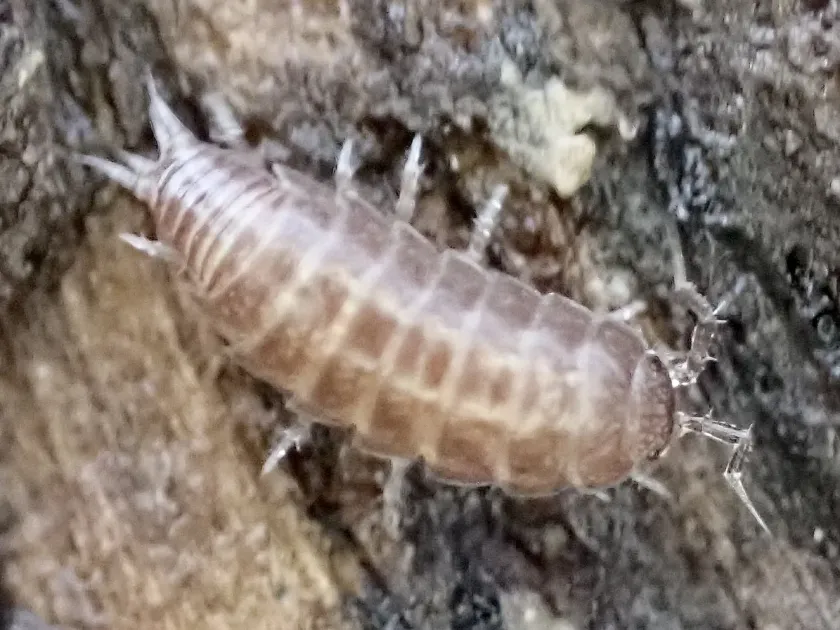
Description
How to identify
Trichoniscus is a genus of small crustaceans belonging to the order Isopoda and the family Trichoniscidae. They are commonly known as a type of woodlice, adapted to life in moist, dark environments.
These pests are very small, typically reaching only 3 to 5 mm in length. Their bodies are elongated, slightly flattened, and often possess a reddish-brown or translucent appearance.
Like all isopods, they have seven pairs of legs, which allows them to move quickly across damp surfaces. They breathe through gills, making them highly dependent on high ambient humidity.
They are primarily soil-dwellers and are often found in decaying organic matter. They avoid light and are rarely seen during the day unless their habitat is disturbed or flooded.
Reproduction involves the female carrying eggs in a brood pouch. The young emerge as miniature versions of adults, allowing for rapid population growth in favorable conditions.
What it damages
Trichoniscus primarily damage seedlings and young plants in greenhouse environments. They tend to feed on roots and the lower parts of stems, causing stunted growth.
In addition to seedlings, they can damage low-hanging fruit such as tomatoes or cucumbers. Their feeding creates small, shallow cavities on the skin, which can lead to rot.
When high populations occur, they move from feeding on decomposing matter to attacking tender plant tissues. This transition is usually triggered by a lack of other food sources or excessive overcrowding.
The wounds caused by their feeding often serve as entry points for pathogenic fungi, which can lead to significant root rot and vascular diseases in affected crops.
Greenhouse setups with poor drainage or organic matter buildup on floors are particularly susceptible to widespread infestations, leading to loss of young, valuable plants.
When it appears
Inside greenhouses, nurseries, and conservatories, Trichoniscus remain active throughout the year, as artificial conditions consistently provide the moisture they require.
In outdoor environments, they are most active during the spring and autumn, particularly following periods of heavy rain or high humidity.
They are nocturnal creatures, emerging at night to feed. During the day, they retreat into moist soil or under debris to prevent desiccation.
Winter survival is achieved by migrating deep into the soil or hiding under logs, rocks, or compost piles where temperatures remain above freezing.
Population spikes typically align with high-moisture events, such as excessive irrigation or prolonged wet weather, which force the pests to migrate toward plants.
Signs of infestation
The primary sign of an infestation is the presence of small, irregular holes on the lower leaves or the base of stems near the soil surface.
A simple check involves lifting pots, trays, or wooden boards in the greenhouse; finding clusters of small, fast-moving, crustacean-like creatures confirms their presence.
Visual observation of loose soil around the base of the plant often indicates their activity, as they disturb the soil surface during their nocturnal movements.
Unexpected yellowing of lower foliage and a general failure to thrive in seedlings, despite proper watering and fertilization, can indicate root damage by these pests.
Using damp cardboard or fabric as a trap overnight is a highly effective monitoring technique; checking the traps in the morning usually reveals the presence of the pests.
Control measures
Effective management begins with improving greenhouse hygiene: remove all dead plant material, old mulch, and debris that provides food and shelter for these crustaceans.
Controlling moisture is critical. Ensure greenhouses have good drainage, avoid overwatering, and keep growing areas as dry as possible, especially during the off-season.
Biological control using entomopathogenic nematodes (such as Steinernema feltiae) is highly effective for reducing populations of Trichoniscus in potting soil.
In cases of severe infestation, apply approved soil-applied insecticides. Always follow the manufacturer's instructions regarding safety and application frequency.
Physical barriers such as spreading a layer of wood ash or diatomaceous earth around the base of plants can deter them, as these materials dry out the soil surface and irritates their exoskeleton.
Taxonomy
- Latin name
- Trichoniscus
- Family
- Trichoniscidae
- EPPO code
- TRNISP
Discussion
No discussions yet — be the first.