
Trichogrammatoidea bactrae
Trichogrammatoidea bactrae
Description
How to identify
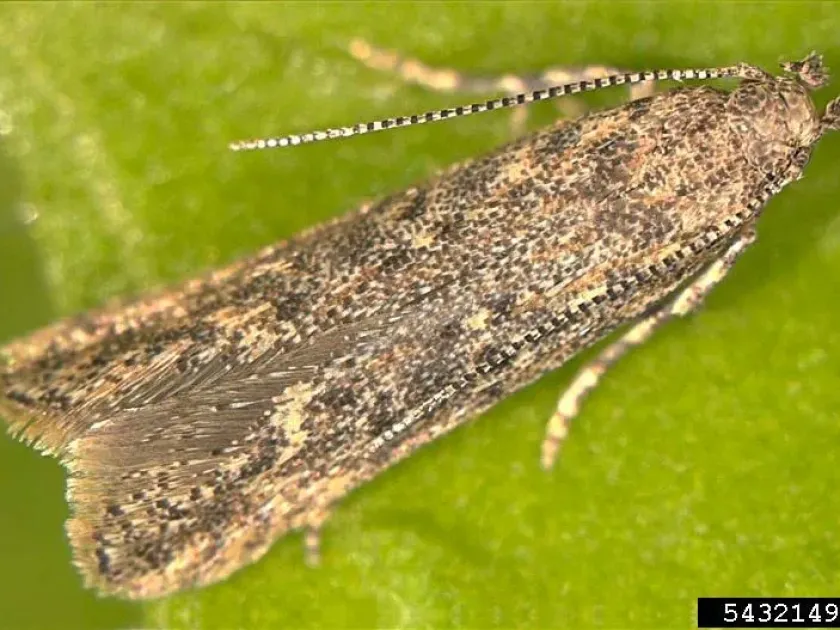
Trichogrammatoidea bactrae is a minute parasitic wasp belonging to the family Trichogrammatidae. These insects are essential biological control agents, specifically adapted to parasitize the eggs of various moth and butterfly species.
Measuring less than one millimeter in length, these wasps are barely visible to the naked eye. They possess a pale yellowish body and wings covered with microscopic hairs, which is a diagnostic feature of this taxonomic family.
The life cycle of Trichogrammatoidea bactrae is completed entirely within the egg of the host insect. The entire development from egg to adult occurs inside, effectively preventing the pest from ever reaching its larval stage.
This species is highly mobile and possesses exceptional searching abilities, guided by volatile chemicals emitted by plants that have been damaged by pests, allowing them to locate host eggs with high precision.
The development time of this species is highly temperature-dependent. In optimal conditions of warm weather, they can complete their cycle in a matter of days, which allows for rapid population growth during the peak of the growing season.
What it damages
As a specialized egg parasitoid, this insect attacks the eggs of several destructive lepidopteran pests, including various species of armyworms, cutworms, and leafminers that pose a threat to many food crops.
The crops most commonly protected by this wasp include solanaceous plants like tomatoes, peppers, and eggplants, as well as several brassica varieties, where host moths prefer to lay their eggs.
The parasitoid itself causes no damage to crops. Instead, it provides a vital service by preventing the emergence of voracious larvae that would otherwise consume foliage, flowers, and fruit, leading to significant yield losses.
Without the presence of Trichogrammatoidea bactrae or similar biological agents, agricultural fields are much more susceptible to unchecked pest outbreaks, which can lead to complete destruction of sensitive crops.
Effective utilization of this wasp is a cornerstone of Integrated Pest Management (IPM) programs, helping to maintain ecological balance and ensure a sustainable supply of agricultural produce.
Signs of infestation
The primary sign of Trichogrammatoidea bactrae activity is the distinct change in the appearance of host eggs. Once parasitized, host eggs typically shift to a darker, more opaque color compared to unparasitized ones.
Under magnification, one can observe small, perfectly circular emergence holes on the chorion of the host egg, representing the exit point through which the adult wasp has successfully emerged.
A noticeable decrease in the number of newly hatched larvae in the field, coinciding with a high percentage of darkened or "parasitized" host eggs, indicates successful field performance.
Field monitoring involving the inspection of plant leaves for fresh egg clusters is essential. The presence of darkened eggs confirms that the parasitoids are actively engaging with the pest population.
If monitoring shows a low percentage of parasitism, it indicates that current population levels of the beneficial insect may be insufficient, signaling the need for additional augmentation.
Control measures
The standard control method involves the mass release of laboratory-reared wasps into the field. This augmentation strategy ensures a sufficient number of parasitoids are present when host populations begin to lay eggs.
Timing the release is critical for success. Applications must be synchronized with the early egg-laying phases of the target lepidopteran pests to ensure maximum coverage and high parasitism rates.
The use of broad-spectrum chemical insecticides must be strictly avoided during release windows, as these chemicals are highly toxic to the parasitoids and can neutralize the biological control program.
Maintaining a healthy environment, including non-crop vegetation or flowering strips, provides the adult wasps with necessary food sources (nectar), which increases their longevity and search efficiency.
- Mass production in specialized insectaries.
- Strategic timing of releases based on pest flight patterns.
- Strict prohibition of non-selective pesticide use.
- Conservation of habitat for adult wasp nutrition.
Taxonomy
- Latin name
- Trichogrammatoidea bactrae
- Order
- Hymenoptera
- Family
- Trichogrammatidae
- EPPO code
- TRGDBA
Discussion
No discussions yet — be the first.