
Trichogramma embryophagum
Trichogramma embryophagum
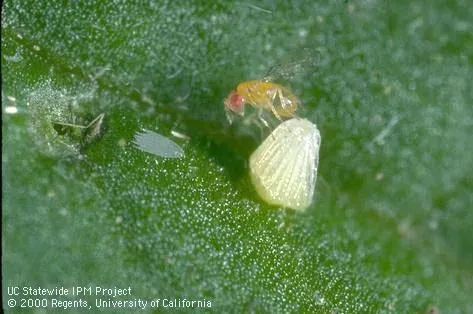
Description
How to identify
Trichogramma embryophagum is a minute parasitic wasp belonging to the family Trichogrammatidae, characterized by its extremely small size, typically under one millimeter in length.
The adult form is yellowish-brown with fringed wings, which is a distinctive anatomical feature used for species identification in entomological studies.
The life cycle of this species is remarkably short, allowing for multiple generations to develop during a single growing season under favorable temperatures.
It occupies the position of an egg parasitoid, meaning it targets the eggs of other insects to complete its development phase.
These wasps are highly specialized, utilizing the nutrients within the host eggs to support the growth of their larvae until the adult stage emerges.
What it damages
While often categorized as a beneficial agent, the presence of Trichogramma embryophagum in certain agricultural systems must be balanced to maintain natural population stability.
The hosts for these wasps include various Lepidoptera species that are otherwise considered primary pests for orchards, vineyards, and field vegetables.
Impact on the host population is significant, as the parasitism effectively eliminates the development of larvae that would otherwise consume plant tissue.
Plants benefit from the suppression of pest populations, as the parasitoid prevents the larval stage from ever emerging to feed on leaves or fruits.
Agricultural damage occurs indirectly if the ecosystem balance is disrupted, potentially favoring the emergence of other secondary pest species.
Signs of infestation
The most reliable sign of parasitism is the darkening or blackening of the host insect eggs, indicating that the wasp larvae are maturing inside.
Upon close inspection with a magnifying tool, one can observe microscopic exit holes on the surface of the eggs where the adults have emerged.
A noticeable absence of larval damage despite the presence of egg-laying moth populations suggests the activity of this parasitoid species.
Active adults may be spotted resting on the underside of foliage in high-density areas during the height of the pest egg-laying season.
- Darkened or black eggs of the host
- Microscopic exit holes in host eggs
- Reduction in foliage damage
- Presence of tiny wasps on leaf surfaces
- Successful suppression of larval populations
Control measures
Effective management focuses on avoiding the use of broad-spectrum pesticides, which are highly toxic to natural parasitoids like Trichogramma.
Selective insecticides should be preferred to preserve the existing population of beneficial wasps and maintain natural pest regulation in the field.
Implementing monitoring programs using pheromone traps allows farmers to track the timing of wasp activity and align agricultural practices accordingly.
Creating suitable habitats and maintaining surrounding vegetation can help stabilize parasitoid populations, providing long-term benefits to the crop.
Avoiding chemical applications during the peak flight of the wasps ensures that the biological control agents remain active throughout the season.
Taxonomy
- Latin name
- Trichogramma embryophagum
- Order
- Hymenoptera
- Family
- Trichogrammatidae
- EPPO code
- TRIGEM
Discussion
No discussions yet — be the first.