
Pacific sac spider
Trachelas pacificus
Description
How to identify
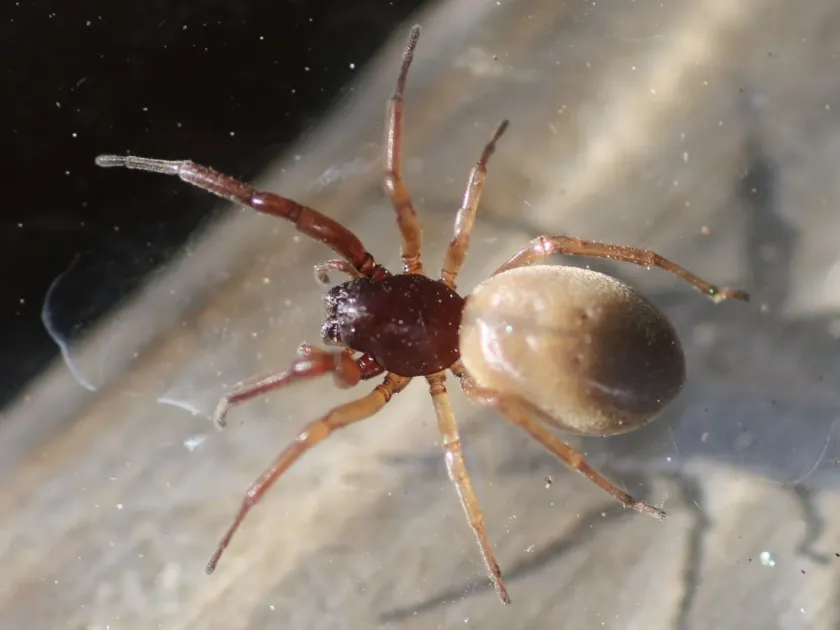
The Pacific sac spider (Trachelas pacificus) is a member of the Trachelidae family. These spiders are known for their robust, stocky bodies and a color range spanning from reddish-brown to yellowish hues.
A key identifying feature is their strong chelicerae, capable of piercing tough plant tissues or human skin if threatened. They possess well-developed legs, which allow for rapid movement across foliage and stems.
Adult individuals typically measure between 5 to 10 millimeters in length. Unlike web-spinning spiders, they do not create complex nets but actively hunt their prey while moving through vegetation.
This species is native to western North America and has adapted well to agricultural settings and residential gardens, where they find ample shelter within plant debris and dense canopy.
Females are known for constructing dense, silk-lined sacs used for egg-laying, which are often concealed within folded leaves, making them difficult to spot during routine inspections.
What it damages
While not a specialized plant eater, the Pacific sac spider causes damage by utilizing leaves to build its defensive nests, which can significantly affect the health and aesthetics of ornamental plants.
Susceptible crops include various fruit trees, grapevines, and shrubs where the spider binds leaves together with silk. This action disrupts normal leaf function and growth patterns.
The formation of these nests often causes tissue necrosis around the edges of the leaf, leading to premature yellowing, drying, and eventual deformation of the young foliage.
Physical injuries to the leaf surface, caused by the spider's nest-building activities, create entry points for secondary infections such as fungal pathogens that thrive on damaged plant tissue.
Although they serve a role as predators of other insects, their presence in large numbers causes direct damage to foliage health and reduces the decorative value of ornamental crops.
When it appears
The activity of the Pacific sac spider is highly dependent on the local climate, typically becoming noticeable from late spring through the end of the summer season.
In spring, as temperatures rise, adults emerge from their overwintering sites, such as tree bark or leaf litter, to begin their annual cycle of movement and reproduction.
Peak population density usually occurs during the mid-summer months when optimal weather conditions support the rapid development of offspring and their subsequent dispersal to new plants.
By autumn, as temperatures begin to drop, the spiders seek out secure hiding places to survive the colder months, moving into organic debris, crevices, or under tree bark.
Their life cycle is closely synchronized with the phenology of host plants, as the availability of dense foliage is essential for them to successfully build their summertime shelters.
Signs of infestation
The primary sign of an infestation is the presence of folded or rolled leaves bound together by silk threads, which serve as protective retreats for the spider or its egg sacs.
Upon closer examination, you may notice small puncture marks on the leaves, followed by the appearance of dry, irregular necrotic spots as the tissue dies off around the damage.
The white, silky sacs found in leaf axils or on the underside of leaves are unmistakable indicators of this spider's presence within the garden or orchard.
Stunted growth of young shoots and abnormal twisting of apical leaves are indicators that a colony is present and potentially causing cumulative stress to the host plant.
- Deformed or rolled leaves
- Silk nests hidden within leaf folds
- Necrotic spots on leaf edges
- Secondary fungal infections
Control measures
Good horticultural practice is the first line of defense, involving regular sanitary pruning of infested plant parts and diligent removal of garden debris during the autumn cleanup.
If population levels are high, targeted applications of contact insecticides can effectively manage the spider population, particularly when applied directly to nesting sites.
Hand-picking and removing infested leaves during early seasonal inspections is a highly effective manual method for preventing the further spread of the species.
Promoting a balanced ecosystem by encouraging the presence of natural predators can help keep spider populations in check over the long term without the need for intensive chemical use.
Installing tree-trunk sticky bands can act as a physical barrier to prevent migrating spiders from climbing into the canopy, thereby protecting fruit and foliage during the growing season.
Taxonomy
- Latin name
- Trachelas pacificus
- Family
- Trachelidae
- EPPO code
- TRALPA
Discussion
No discussions yet — be the first.