
Trachelas
Trachelas
Description
How to identify
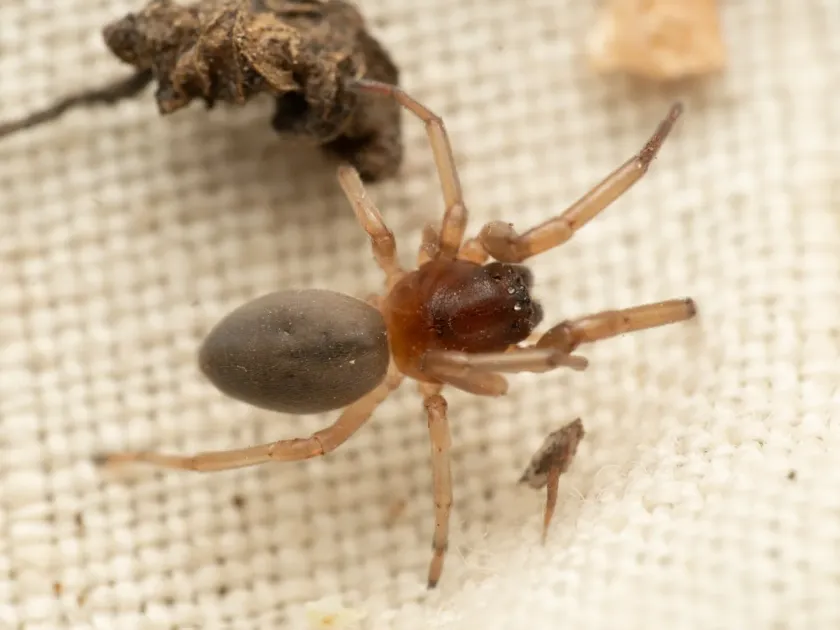
Trachelas is a genus of spiders belonging to the family Trachelidae. They are known for their robust body structure, smooth carapace, and strong chelicerae adapted for predatory behavior.
Adult spiders usually measure between 5 and 10 millimeters in length. Their coloration typically ranges from dark yellow to reddish-brown, with the cephalothorax often being darker than the abdomen.
These spiders do not construct classical webs for prey capture. Instead, they lead an active hunting lifestyle, moving across foliage and vegetation to ambush their prey.
They are known for their rapid movement and defensive behavior when disturbed, making them quite noticeable during routine inspections of agricultural lands and gardens.
Identification of specific species often requires professional microscopic examination of the reproductive organs, as many members of the genus share very similar external features.
What it damages
While Trachelas spiders are primarily predators, they can become a nuisance in orchards and greenhouses by damaging the aesthetic and marketable quality of plants.
The spiders frequently create shelters by rolling or folding leaves, which disrupts the normal photosynthetic process and causes deformity in the plant foliage.
Occasionally, they may bite the surface of fruits while seeking refuge or moisture, creating entry points for opportunistic fungal pathogens and bacterial infections.
Their presence in high numbers can lead to contaminated harvest, as the spiders and their webbing may persist on the final product, discouraging potential consumers.
Economic damage is often indirect, resulting from the cost of labor for additional plant inspections and the need for corrective measures to restore plant health.
When it appears
Trachelas spider activity begins with the onset of warm spring temperatures, as they emerge from their overwintering sites to forage and reproduce.
Peak populations are usually observed during the mid-summer months when ambient humidity and temperature provide ideal conditions for their biological cycles.
During the autumn season, these spiders seek out protected areas such as warehouses, garden sheds, or dense vegetation to survive the winter months.
The life cycle includes stages of eggs, nymphs, and adults, with females often guarding egg sacs hidden within folded leaves or bark crevices of host plants.
Regional climatic factors significantly influence the frequency of generations per year, making it essential for growers to monitor their fields throughout the growing season.
Signs of infestation
The most visible sign of an infestation is the presence of deformed or curled leaves that have been stitched together with silk by the spider for protection.
Inspection of the underside of the leaves often reveals compact white or yellowish egg sacs, carefully concealed within the rolled parts of the foliage.
Small dark spots or necrosis on the skin of fruits and berries can indicate places where a spider has bitten the surface during its activity.
The visual presence of the spiders themselves, which tend to scurry away rapidly when vegetation is disturbed, is a primary indicator of their colonization.
- Curled or deformed leaf structures.
- Small necrotic punctures on fruit skin.
- Silk cocoons found in leaf axils.
Control measures
Effective control starts with good sanitation practices, such as removing weeds and fallen leaves from the orchard floor where these spiders find shelter.
Pruning trees and thinning out dense foliage improves airflow and light penetration, effectively reducing the number of suitable sites for spider habitats.
When populations exceed economic thresholds, growers may apply contact insecticides or acaricides that are specifically registered for use on the target crop.
It is crucial to follow strict pre-harvest intervals and dosage instructions to ensure the safety of the produce and minimize residues in the final harvest.
Integrated Pest Management (IPM) strategies, including the conservation of beneficial natural predators, help to maintain a balanced ecosystem in the garden.
Taxonomy
- Latin name
- Trachelas
- Family
- Trachelidae
- EPPO code
- TRALSP
Discussion
No discussions yet — be the first.