
Torostoma
Torostoma
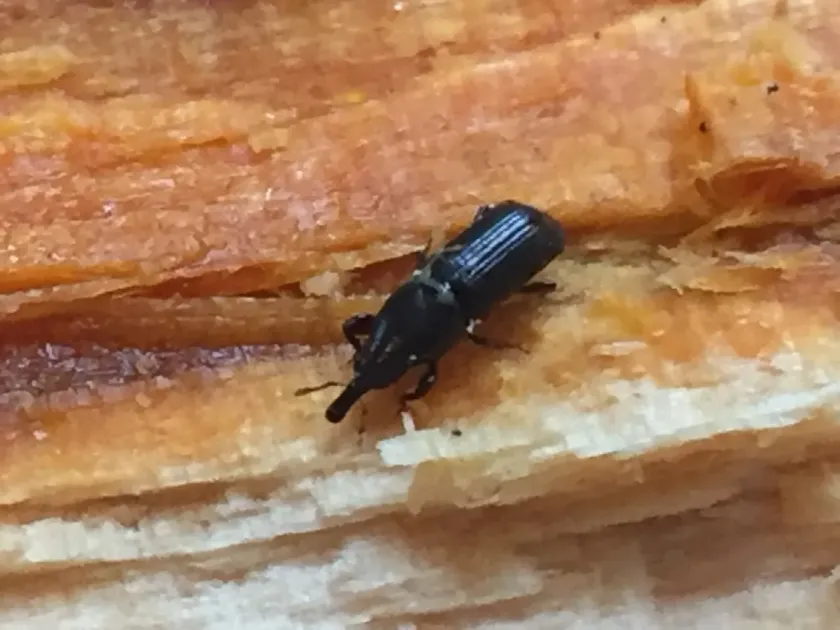
Description
How to identify
The genus Torostoma belongs to the family Curculionidae, commonly known as weevils, within the order Coleoptera. These insects are characterized by their distinctive snout-like projection, which is a hallmark of the weevil family.
Adult Torostoma beetles often possess cryptic coloration, blending in with bark, soil, or leaf litter to evade predators. Due to their small size and secretive nature, professional identification often requires detailed taxonomic study.
The larvae are typically legless, fleshy, and slightly curved, with a hardened head capsule. They spend the majority of their developmental cycle hidden within the plant tissues, making detection difficult for growers.
Their life cycle involves a complete metamorphosis (egg, larva, pupa, adult), allowing them to occupy different ecological niches during development. Understanding their biological requirements is key to predicting outbreaks.
Agronomists classify them based on their specific host plant range, which varies significantly depending on the geographical region and the presence of wild reservoir plants.
What it damages
Torostoma species primarily infest woody and shrubby plants, occasionally affecting agricultural crops. The damage is caused by both adults feeding on foliage and larvae boring into stems or roots.
Larval boring disrupts the vascular system, causing nutrient deficiencies and weakening the plant's structural integrity. This can lead to branch dieback and, in severe cases, the death of the host plant.
Adult feeding damage manifests as irregular holes or notches in leaves, which reduces the photosynthetic capacity of the plant. In extreme infestations, defoliation can occur, negatively impacting yields.
Beyond physical damage, the wounds created by these beetles serve as entry points for secondary infections like fungal and bacterial pathogens. This combination of damage poses a significant threat to orchard health.
Economic damage is quantified by the reduction in crop output and the increased costs associated with pest suppression programs and orchard maintenance.
When it appears
The activity of adult Torostoma typically begins in the spring as temperatures rise, signaling the end of the overwintering period. This is often the prime time for initial detection and monitoring.
The reproduction cycle is highly sensitive to local climatic conditions, with peak activity often occurring during warm and humid weather. Egg-laying is timed to ensure larvae have an immediate food source upon hatching.
Summer months are characterized by intensive larval feeding within the host plant, as individuals prepare for pupation. This is the period when damage becomes most apparent to the naked eye.
Pupation occurs in late summer or early fall, followed by the emergence of the next generation. Depending on the species, the overwintering stage may be spent as adults in soil or as larvae in wood.
Continuous monitoring using traps and field surveys throughout the growing season is essential to identify the start of the infestation and manage population growth before it causes significant damage.
Signs of infestation
Early signs of infestation include minor leaf perforations and the appearance of fine bore dust (frass) near potential entry points on stems or branches. Detecting these subtle signs is crucial for early intervention.
Visible wilting of leaves or entire branches during the peak of summer is a strong indicator of internal larval activity. This often points to blocked nutrient transport within the plant.
- Distorted or stunted plant growth.
- Premature leaf yellowing and abscission.
- Internal galleries visible if a symptomatic branch is cut open.
The presence of adults on the plant surface during the evening hours or early morning can be confirmed by visual inspection or the use of beating sheets to dislodge them.
Proactive scouting during critical growth stages is the best way to distinguish Torostoma damage from physiological stressors or nutrient deficiencies.
Control measures
Effective management of Torostoma requires an integrated pest management (IPM) approach. This involves cultural, chemical, and biological controls to minimize reliance on broad-spectrum pesticides.
Cultural practices are paramount, including the removal and destruction of infested plant material and the maintenance of general orchard hygiene. Weed control around the base of trees helps eliminate alternative hosts.
Chemical control focuses on the use of systemic insecticides during periods of adult activity. Proper timing and adherence to application guidelines ensure high efficacy while minimizing environmental impact.
Biological control, such as using predatory insects or entomopathogenic fungi, is an increasingly viable option for sustainable agriculture. These methods provide a more selective pressure on the pest population.
Strict monitoring and adherence to sanitary regulations are essential to prevent the introduction and spread of Torostoma into non-infested areas, protecting the long-term viability of agricultural crops.
Taxonomy
- Latin name
- Torostoma
- Order
- Coleoptera (beetles)
- Family
- Curculionidae
- EPPO code
- TOROSP
Discussion
No discussions yet — be the first.