
Tirathaba
Tirathaba
Description
How to identify
Tirathaba is a genus of moths belonging to the family Pyralidae. These insects are significant pests in tropical agricultural systems, particularly for palm species.
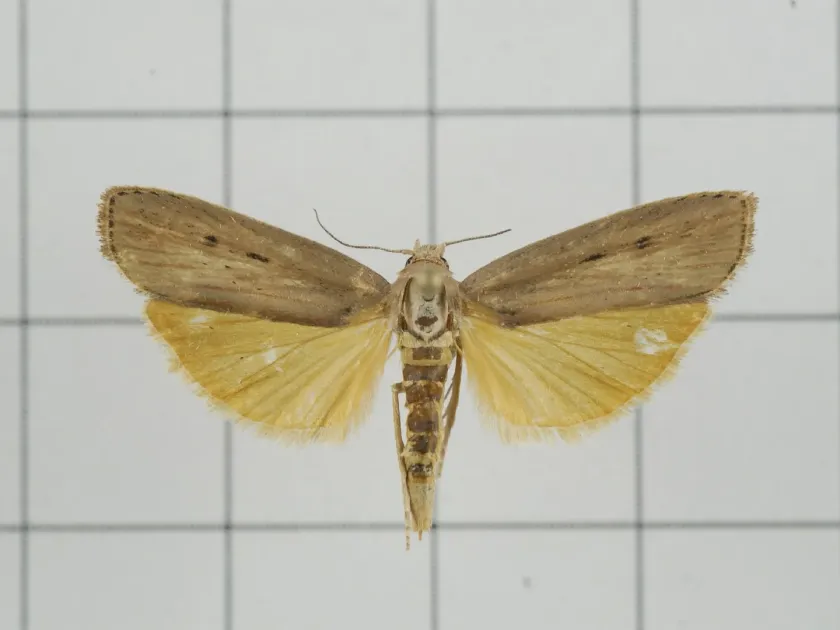
Adult moths are typically brownish-grey in color, which helps them blend into the palm bark and foliage during daylight hours. Their wingspan ranges from 20 to 30 mm.
The larvae, or caterpillars, are the primary life stage causing economic damage. They vary in color from light to dark brown and possess distinct, robust body structures.
Tirathaba undergoes a complete metamorphosis, with eggs laid on or near the palm inflorescences. The larvae thrive in high-humidity environments typical of tropical climates.
Their life cycle is relatively rapid, allowing for multiple generations per year, which often leads to persistent infestation issues in commercial plantations.
What it damages
Tirathaba primarily attacks coconut palms and oil palms. The larvae exhibit a preference for the reproductive organs of these plants, causing direct loss of yield.
Feeding damage starts within the inflorescences, where larvae spin webs and consume the floral tissues, effectively preventing successful pollination and fruit set.
When attacking young fruits, the larvae bore into the skin, causing scarring, stunted development, and eventual fruit drop due to structural damage.
Beyond physical consumption, the larval feeding sites become entry points for pathogenic fungi and bacteria, which can cause rotting of the entire fruit cluster.
In severe cases of infestation, the vitality of the entire palm tree is weakened, resulting in a long-term reduction in fruit production capability.
Signs of infestation
The most visible sign of infestation is the presence of silk webbing mixed with larval frass (excrement) covering the inflorescences or clusters of young fruit.
Premature browning and drying of the flower spikes, often before they fully open, indicate that larvae have already penetrated the tissues.
An unusual amount of immature fruit dropping onto the ground beneath the palms is a strong indicator of active pest damage in the canopy.
Upon closer inspection, small, irregular holes or tunnels can be seen on the surface of young nuts, often associated with sap exudation from the wound.
The observation of nocturnal flight activity of adult moths around the palm crowns is a key indicator for monitoring the population density.
Control measures
Biological control using egg parasitoids, such as Trichogramma species, is highly effective in managing population levels by interrupting the life cycle early.
Good agricultural practices, such as the pruning and disposal of infested inflorescences, help to drastically reduce the larval population within the field.
Pheromone traps are essential for monitoring the flight patterns of adult moths, allowing for precise timing of any necessary chemical or biological applications.
The use of biopesticides derived from Bacillus thuringiensis is recommended, as it selectively targets the larvae while sparing beneficial insects and pollinators.
Maintaining balanced tree health through proper fertilization and plantation sanitation strengthens the palm's natural defenses, forming the foundation of an integrated pest management strategy.
Taxonomy
- Latin name
- Tirathaba
- Order
- Lepidoptera (butterflies)
- Family
- Pyralidae
- EPPO code
- TIRTSP
Discussion
No discussions yet — be the first.