
Tinamou
Tinamus
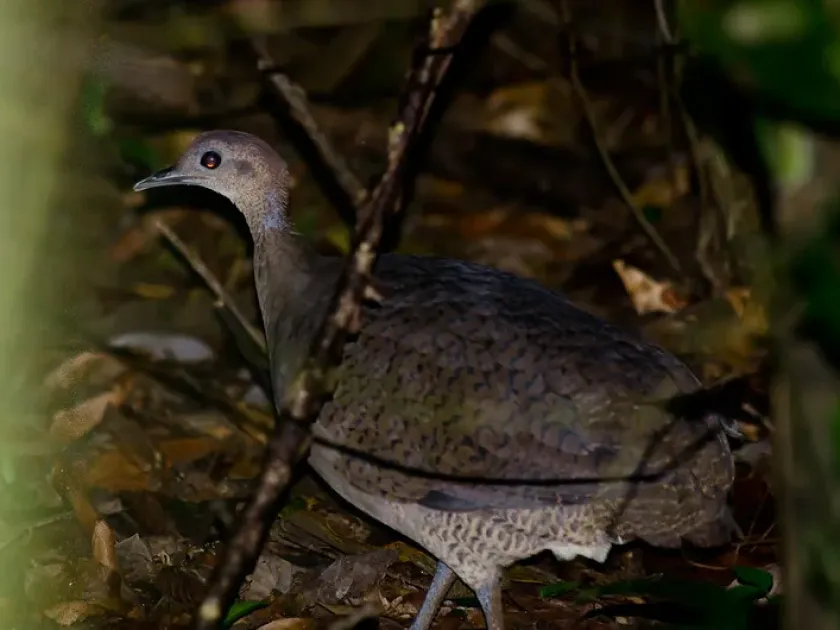
Description
How to identify
Tinamou (family Tinamidae) are unique birds related to the ratites, despite their resemblance to game birds like partridges. They are native to Central and South America and exhibit distinct terrestrial habits.
These birds are exceptionally elusive, characterized by cryptic coloration that provides camouflage against leaf litter and soil surfaces, making visual detection in fields very difficult.
Biologically, tinamou are ground-dwelling birds that prefer brushy habitats, forest edges, and scrublands, which often brings them into close contact with agricultural production areas.
They are primarily sedentary, meaning local populations can cause persistent, long-term damage to crops located within their established home ranges throughout the growing season.
Their reproduction involves ground-nesting, which places their populations in direct interaction with agricultural machinery and land management practices in tropical farming systems.
What it damages
Tinamou can cause significant agricultural losses, particularly when they infiltrate large cereal crop fields. They feed voraciously on seeds, including wheat, corn, rice, and various legumes.
Damage to seedlings is particularly severe; the birds uproot or peck at emerging shoots, leading to reduced plant density and the potential requirement for field replanting.
During the harvest phase, they feed directly on the heads of cereals or ears of corn, reducing the overall marketable yield and lowering the quality of the harvested produce.
In vegetable gardens and smaller farms, they are known to consume underground parts and low-growing fruit, which can lead to significant economic loss for specialized producers.
Furthermore, their presence in fields leads to physical trampling of young plants, which compounds the direct consumption damage and inhibits the healthy growth of the crop.
Signs of infestation
The primary sign of tinamou activity is disturbed soil, marked by shallow pits and scratch marks where they have foraged for seeds or underground plant structures.
Farmers often notice irregular gaps in crop rows where seeds or young sprouts have been systematically removed, creating patches of uneven development.
The presence of droppings within the field rows is another key indicator, often accompanied by feathers or nest material residues if the birds are nesting in the vicinity.
Peripheral damage is typical: fields adjacent to forest cover or scrubland often show signs of encroachment, with damage density decreasing towards the center of the plot.
Broken stalks and damaged grain heads, often lying on the ground, provide evidence of bird feeding activity occurring during the maturation phase of the crop.
Control measures
Integrated pest management strategies for tinamou focus heavily on non-lethal deterrence, such as the deployment of automated bioacoustic systems that emit predator calls.
Visual deterrents, including reflective tape, rotating light devices, and silhouette models of raptors, can be effective if rotated frequently to prevent habituation.
Habitat management is a vital long-term strategy; clearing overgrown scrub and maintaining clean field borders helps remove the cover these birds require to feel safe.
In high-pressure areas, physical exclusion through fencing or netting may be necessary for high-value vegetable crops to prevent total loss.
- Regular deployment of auditory scare devices
- Buffer zone creation through vegetative management
- Use of seed treatments to reduce palatability for birds
Taxonomy
- Latin name
- Tinamus
- Family
- Tinamidae
- EPPO code
- TINASP
Discussion
No discussions yet — be the first.