
Thelazia
Thelazia
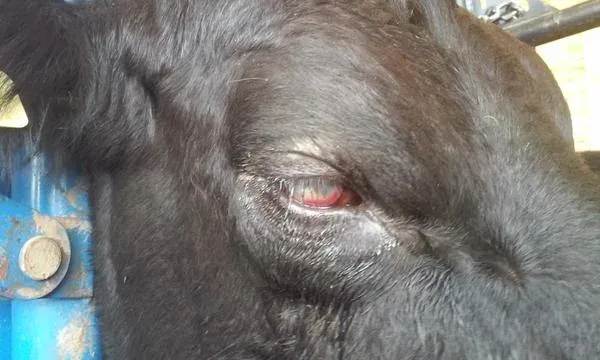
Description
How to identify
Thelazia is a genus of parasitic nematodes belonging to the order Spirurida and the family Thelaziidae. It is essential to note that this organism is not a plant pest; it is a veterinary parasite affecting domestic and wild animals.
Adult worms are thin, thread-like organisms, usually appearing white or yellowish. They typically measure between 7 mm and 20 mm in length, making them visible upon close inspection of the animal's eyes.
The biological cycle relies on an intermediate host, specifically face flies (Musca species). These flies ingest larvae while feeding on the lacrimal secretions of an infected animal.
Inside the fly, the larvae develop into an infective stage. When the fly feeds on another animal, it deposits the larvae onto the conjunctival surface, where they migrate into the lacrimal ducts.
Once settled in the host's eye, the larvae mature into adults within a few weeks and begin the reproductive process, continuing the lifecycle by releasing first-stage larvae into the eye secretions.
What it damages
Thelazia species primarily infest livestock, including cattle, horses, sheep, and goats. These parasites are known to cause a condition clinically referred to as thelaziasis.
The primary damage is caused by the mechanical irritation of the conjunctiva and cornea due to the worm's cuticle, which is equipped with microscopic ridges or spines.
This persistent irritation leads to conjunctivitis, keratitis, and blepharospasm. The constant inflammation can eventually cause severe corneal ulcers and permanent ocular damage.
The economic impact is significant, as affected animals suffer from reduced growth rates, lower milk production, and the costs associated with veterinary treatment and potential loss of the animal.
Furthermore, the physical pain and discomfort associated with the infection significantly alter the behavior of the animal, making it difficult to handle and manage in commercial farming environments.
When it appears
The prevalence of thelaziasis is strictly seasonal, corresponding with the active flight and feeding periods of the intermediate hosts — face flies, specifically during late spring, summer, and early autumn.
Peak infestation rates occur during the warmest months when fly populations are highest. During this period, the frequency of host-parasite interaction reaches its maximum.
In winter, the transmission cycle is interrupted by the death or dormancy of the fly population, although the parasite can persist within the host's eye as an adult for a prolonged period.
Environmental factors such as high humidity and stable temperatures significantly favor the development of larvae within the fly, leading to higher infestation pressure in grazing herds.
Farm management strategies must be proactive, focusing on fly population control and prophylactic treatments before the onset of the peak summer season.
Signs of infestation
The earliest clinical sign is increased lacrimation (tearing). As the infection progresses, the discharge becomes mucoid or purulent due to secondary bacterial infections.
Visual observation often reveals the presence of small, white, active worms moving across the surface of the eyeball or hiding under the nictitating membrane.
- Excessive tearing and purulent ocular discharge.
- Inflammation and redness of the conjunctiva.
- Photophobia (sensitivity to light) and constant blinking.
- Cloudiness or opacity of the cornea.
- Persistent head shaking and rubbing against surfaces.
Animals frequently exhibit restlessness, which serves as a defensive reaction to the physical irritation caused by the worms, often leading to secondary self-inflicted wounds around the eye.
Control measures
Treatment of thelaziasis is performed by veterinarians and typically involves the physical removal of the worms, followed by the administration of specific anthelmintic medications.
Effective management includes regular deworming programs for all livestock to reduce the parasite burden before they enter the grazing season.
The control of fly populations is critical to preventing the spread of the disease. This includes the use of insecticides, repellents, and proper waste management to eliminate breeding sites.
Implementing ear tags impregnated with pyrethroid insecticides has proven highly effective in reducing the number of flies that congregate around the eyes of cattle.
Ensuring that infected animals are quarantined or treated promptly is vital to prevent them from acting as a reservoir for further transmission via local fly populations.
Taxonomy
- Latin name
- Thelazia
- Order
- Nematodes
- Family
- Thelaziidae
- EPPO code
- THEZSP
Discussion
No discussions yet — be the first.