
Thamnurgus
Thamnurgus
Description
How to identify
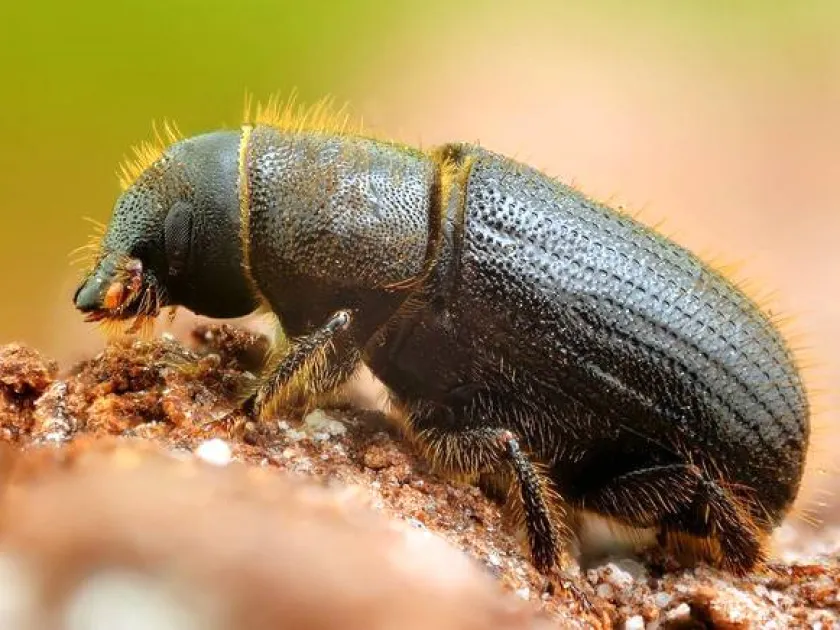
The genus Thamnurgus belongs to the family Curculionidae, subfamily Scolytinae (bark and ambrosia beetles). These insects are small beetles, typically ranging from 2 to 3 millimeters in length, characterized by the cylindrical body shape common to the subfamily.
Adult beetles feature a dark, often black-brown coloration with a hardened, chitinous exoskeleton. The head is usually retracted beneath the pronotum, which is a classic diagnostic trait for this group of wood-boring pests that lead a cryptic lifestyle.
The larvae of Thamnurgus are legless, white to yellowish in color, with a curved body and a well-developed head capsule. They pass through several developmental stages within plant tissues, making early visual detection quite challenging.
Pupae typically reside within chambers prepared by the larvae directly in the feeding area. Pupation occurs inside the stems or branches, which provides essential protection for the developing offspring against adverse environmental factors.
Identification of specific species requires microscopic analysis of the elytral structure and pronotal features. In field conditions, identification is most often based on the complex of symptoms specific to the plant host and the beetle's habits.
What it damages
Thamnurgus species are specific pests that often favor particular groups of plants. They primarily damage herbaceous perennials and young shoots of woody plants, depending on the specific beetle species involved.
Frequent infestations occur in the stems of ornamental and wild-growing plants. The beetles bore galleries inside the stem, disrupting the vascular system, which leads to the drying and wilting of the upper parts of the shoots.
In agronomy, species that colonize weakened crops pose a significant threat. The pest often attacks plants stressed by drought, excessive humidity, or previous mechanical injuries, which serve as entry points.
The destruction of internal stem tissues leads to the failure of nutrient and water transport. This results in premature wilting, foliage deformation, and a substantial decrease in crop productivity if the affected plants are agricultural.
Secondary infections often manifest at the entry points of the pest. Pathogenic fungi and bacteria penetrate the galleries, accelerating tissue necrosis and promoting the development of various types of rot.
When it appears
Adult flight activity typically begins in the spring when temperatures reach optimal levels. The reproductive period is closely synchronized with the active growth phases of the host plants.
Adult females initiate colonization by boring into stems to create maternal galleries. This is the period of peak activity, during which visible changes in the condition of the host plants begin to appear.
The larval stage lasts throughout the summer season. Depending on regional climatic conditions, Thamnurgus may produce one or two generations per year, which dictates the severity of the infestation in a specific area.
Preparation for winter occurs in late summer or early autumn. Adults of the new generation either emerge from the host plant or remain inside the stems to enter diapause, waiting for the favorable conditions of the next season.
Monitoring for the pest is conducted through inspections of stems in late spring. The use of pheromone traps for this genus is hindered by the narrow specialization of species and the current lack of research into their specific attractants.
Signs of infestation
The first indicator of a Thamnurgus presence is the appearance of tiny entry holes on the stem surface. These are often accompanied by "frass" — fine sawdust or bore dust ejected by the insects as they feed.
The external condition of the plant begins to deteriorate: the upper part of the shoot above the infestation point gradually turns yellow and then brown. Wilting of the tips occurs as the stems lose turgor pressure.
Upon dissecting an infested stem, one finds winding tunnels filled with excrement and plant debris. This internal damage is a definitive sign of long-term larval feeding activity within the stem.
Uneven plant growth is a common symptom. Infested specimens lag significantly behind in growth, and their flowers or inflorescences may fail to develop or drop prematurely, reducing their overall value.
In cases of high population density, group wilting of plants in a localized area may be observed. This indicates active breeding and a high degree of infestation within the local population of host plants.
Control measures
The primary control strategy for Thamnurgus focuses on cultural and sanitary measures. Prompt removal and destruction (burning) of infested plants is essential to significantly reduce the pest population for the following season.
Maintaining proper crop rotation and high standards of agronomic care helps strengthen plant immunity, making them less susceptible to the primary colonization by these bark beetles.
The use of contact or systemic insecticides is effective only during the adult flight period. Applications must be timed accurately before the beetles bore into the stems, as they become unreachable by sprays once inside.
Regular field scouting is recommended, especially during peak activity periods. Upon detection, it is critical to isolate the infestation focus to prevent the further spread of adults to healthy neighboring plants.
Biological control methods, including the use of natural enemies or entomopathogenic fungi, are currently under research. At present, physical sanitation of the site remains the most effective way to manage the pest.
Taxonomy
- Latin name
- Thamnurgus
- Order
- Coleoptera (beetles)
- Family
- Curculionidae
- EPPO code
- THMNSP
Discussion
No discussions yet — be the first.