
Tetralopha
Tetralopha
Description
How to identify
The genus Tetralopha belongs to the family Pyralidae, order Lepidoptera. These are small, moth-like insects that are primarily nocturnal as adults and possess dull gray-brown coloration, which allows them to camouflage effectively against tree bark.
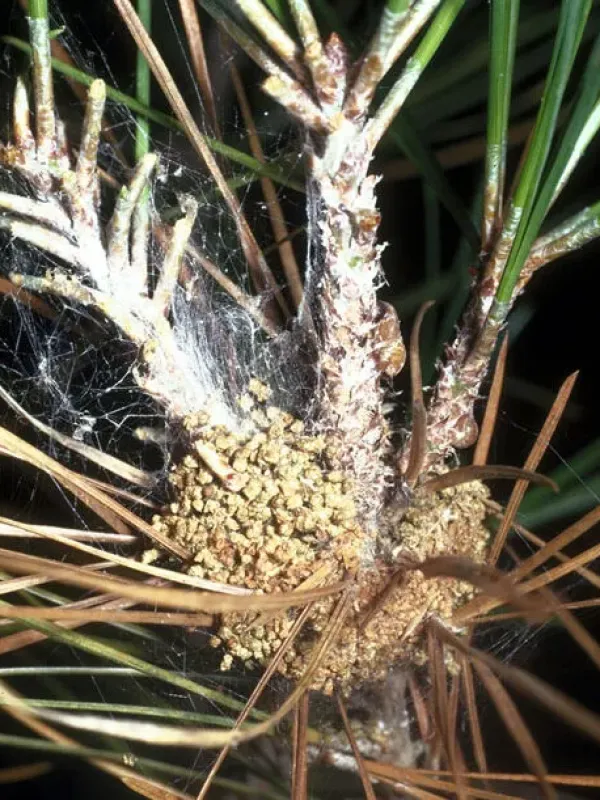
The caterpillars of these insects exhibit specific behavior: they live in colonies, constructing dense nests made of silk and frass (excrement), in which they shelter during the day. Depending on the species, the larvae may show various shades, from light green to reddish-brown, often with longitudinal stripes along their bodies.
The life cycle of Tetralopha includes egg, larva, pupa, and adult stages. The insects typically overwinter as pupae in the topsoil or leaf litter beneath their host plants, which contributes to their high survival rates across various climatic zones.
Adult emergence occurs in the spring, after which females lay eggs on leaves or young shoots of the host plant. Depending on regional temperatures and food availability, the moth may complete one or several generations per season.
Identification is often difficult due to the cryptic nature of the larvae, but a detailed inspection of the canopy usually reveals silk webbing clusters inside which the larvae reside and actively feed on the leaf tissue.
What it damages
This pest poses a significant threat to a wide range of woody and shrub species, including various ornamental and fruit-bearing trees. Maples, beeches, oaks, and certain garden shrubs are frequent targets for infestation.
Tetralopha larvae are active defoliators. As they feed, they skeletonize the leaves, consuming everything except the tough veins, which leads to a substantial reduction in the plant's photosynthetic capacity and overall health.
During outbreaks, large colonies of larvae can completely defoliate branches, leading to premature leaf drop, stunted shoot growth, and reduced cold hardiness of the woody plants.
Beyond direct foliage destruction, the unsightly nests of silk and excrement significantly detract from the aesthetic value of ornamental plantings in gardens, parks, and nurseries, reducing their landscaping quality.
The pest is particularly dangerous for young saplings, as significant leaf loss can lead to the death of the vulnerable plant within a single growing season.
Signs of infestation
The primary visual sign of a Tetralopha infestation is the presence of noticeable silk nests located in branch forks or between leaves that have been tightly bound together with silken threads.
The presence of large amounts of small, granular frass pellets caught in the silk or accumulating beneath the tree indicates active feeding by the caterpillar colony within that part of the canopy.
Damaged sections of the canopy appear as withered or skeletonized foliage, which eventually turns brown, giving the tree an unhealthy, neglected appearance.
Upon opening the silk nests, one can find the larvae themselves, which, if disturbed, often wriggle actively and drop from the branches using silk threads.
During the evening or at twilight, the active flight of adults near light sources around infested trees can serve as a secondary indicator of a resident pest population.
Control measures
Effective management of Tetralopha involves a combination of mechanical and chemical control methods aimed at suppressing population levels during the early stages of development.
One simple control measure is the mechanical removal and destruction of silk nests along with the larvae inside, provided the infestation level is low and allows for sanitary pruning.
In cases of significant outbreaks, the use of insecticides with stomach-contact activity is recommended, including biological products based on Bacillus thuringiensis, which are effective against young larvae.
Applications of chemical control products should be timed with the peak emergence of larvae, ensuring that dosages and usage protocols are strictly followed to minimize negative impacts on beneficial entomophages.
Preventative measures include regular canopy monitoring, maintaining good garden sanitation, and encouraging predatory birds that can naturally regulate the populations of leaf-feeding insects.
Taxonomy
- Latin name
- Tetralopha
- Order
- Lepidoptera (butterflies)
- Family
- Pyralidae
- EPPO code
- TETPSP
Discussion
No discussions yet — be the first.