
Testacella
Testacella
Description
How to identify
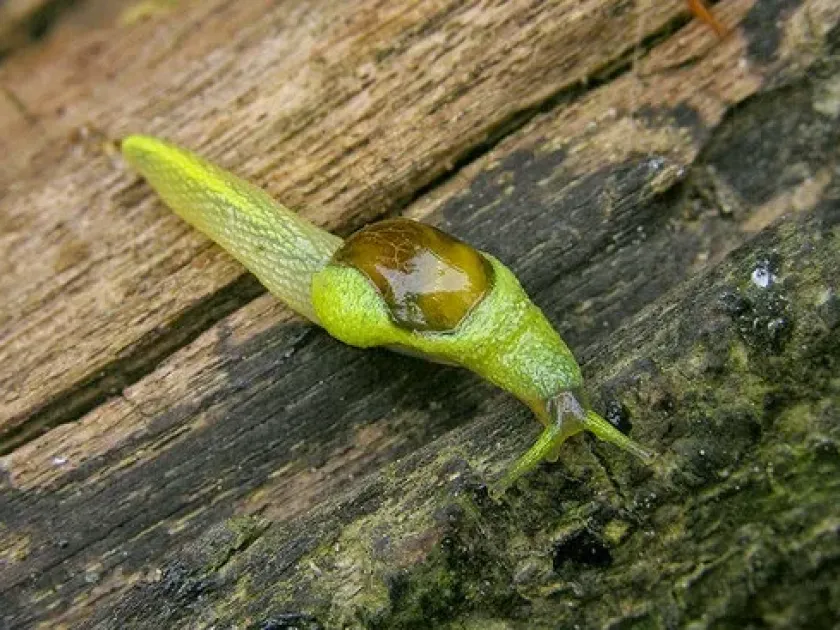
Testacella is a genus of carnivorous land slugs belonging to the Testacellidae family. Their most unique feature is a small, rudimentary shell located at the posterior end of the body.
Unlike common garden slugs, their bodies are elongated and tapered towards the rear, where the shell is firmly attached. Their color is usually creamy to brownish, often covered with dark specks.
These creatures are highly secretive and spend most of their life cycle underground, navigating through existing earthworm burrows. An adult slug can grow between 5 and 12 centimeters in length.
It is important to emphasize that Testacella is not a typical plant-eating pest. Instead, it is a specialized predator that has adapted to a subterranean lifestyle, making it difficult to spot.
Identification is usually made through incidental discovery during spring or autumn soil cultivation, particularly in areas with moist and organic-rich soil conditions.
What it damages
From an agronomic perspective, Testacella does not damage crops. It does not feed on leaves, stems, fruits, or roots of vegetable or ornamental plants, posing no threat to the harvest.
The primary diet of this slug consists of other soil invertebrates, including earthworms and other slugs. Its predatory behavior makes it a natural regulator of the local soil ecosystem.
While the consumption of earthworms could be viewed negatively due to their role in soil aeration, the population of Testacella is rarely high enough to cause significant ecological damage.
The presence of Testacella often indicates high soil moisture, which itself can be a larger concern for plant health due to the risk of fungal pathogens and root rots in saturated soils.
In most gardening scenarios, the presence of these slugs is considered neutral or even beneficial as they help control populations of problematic, plant-eating slugs.
When it appears
Activity levels are directly related to soil temperature and humidity. These slugs prefer cool and moist environments, making them most active during the spring and autumn months.
During dry or hot summer weather, they retreat into deeper soil layers or enter a dormant state, awaiting more favorable conditions. This survival strategy helps them endure climate fluctuations.
During the winter, they hibernate deep underground, beneath the frost line. They emerge only when the soil warms up and moisture levels are sufficient for hunting.
The most common period to encounter them is during spring or autumn soil preparation, such as tilling or weeding, which exposes the subterranean tunnels they inhabit.
Their reproduction cycle is synchronized with periods of high moisture. Eggs are laid within the soil, where the young slugs develop, immediately beginning their life as predators.
Signs of infestation
The main sign of their presence is the absence of typical leaf damage on crops, even when other slug species are present in the garden. This indicates an active predator is keeping phytophagous populations in check.
When digging, you might find clumps of mucus or the slugs themselves with the distinct posterior shell. These findings indicate active hunting occurring within the top layers of the soil.
You may also observe a decrease in the number of ordinary slugs and earthworms. This often serves as an indicator of a balanced soil community where predatory species are present.
You can rarely see them on the surface, except during heavy rainfall or at night. They avoid sunlight and drying air, which are lethal to most terrestrial mollusks.
There are no specific signs of "plant damage" associated with this genus, as it is not an object of standard phytosanitary monitoring in commercial agriculture.
Control measures
Specialized control measures against Testacella are unnecessary, as it acts as a natural biological control agent against garden pests that do damage your crops.
If their presence is undesirable, simple agro-technical practices such as regular soil aeration and proper drainage will suffice to make the environment less suitable for them.
Avoid broad-spectrum molluscicides, as these chemicals will not only kill the predatory Testacella but also destroy the natural balance, potentially leading to outbreaks of other pests.
If slug control is needed for your garden, focus on using targeted traps for the specific phytophagous slugs that feed on your plants, leaving the soil-dwelling predators unharmed.
The best strategy is to maintain a healthy soil structure and allow natural predators to perform their ecological role, reducing the need for chemical interventions.
Taxonomy
- Latin name
- Testacella
- Order
- Molluscs
- Family
- Testacellidae
- EPPO code
- TSTCSP
Discussion
No discussions yet — be the first.