
Tectura virginea
Tectura virginea
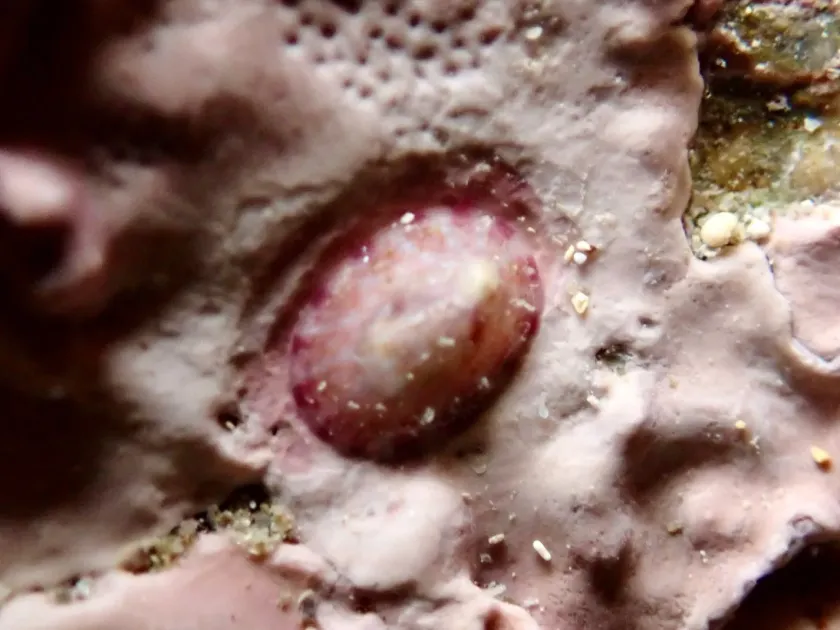
Description
How to identify
Tectura virginea is a species of small sea snail, a marine gastropod mollusk in the family Lottiidae. Within the context of industrial aquaculture, it is recognized as a biofouling organism that poses operational challenges.
The shell is typically conical and measures approximately 20–30 mm. It has a whitish or cream-colored base with distinct reddish-brown radial stripes, which is the key diagnostic feature for identification.
This species is classified under the order Patellogastropoda. Identifying this mollusk correctly is essential for professionals managing coastal aquatic resources to distinguish it from non-harmful species.
These mollusks prefer rocky or hard substrates. In agricultural settings, they readily colonize artificial structures like net pens, pipes, and floating platforms used for aquatic production.
The biological success of this species is tied to its ability to adhere firmly to surfaces, resisting the high-velocity water currents common in nearshore environments.
What it damages
The primary impact of Tectura virginea is biofouling. By occupying space on aquaculture equipment, they compete with the target crop for space and interfere with water flow, reducing nutrient exchange.
Mass colonization increases the weight of floating and submerged structures, which can lead to equipment fatigue, potential structural failure, and increased maintenance costs.
Their feeding activity causes mechanical wear on equipment surfaces, which can degrade the integrity of protective coatings and netting materials over time.
Biofouling creates a complex microenvironment that traps organic debris, leading to localized water quality deterioration and potential outbreaks of opportunistic pathogens.
Economic consequences are significant, as they require frequent labor-intensive cleaning cycles, increasing the operational overhead of the facility.
When it appears
Seasonal patterns are dictated by water temperature. Reproduction and larval settlement typically peak during late spring and summer when higher water temperatures boost metabolic rates.
Larval settlement is most intensive during the warmer months, making this the critical window for implementing proactive management and fouling prevention strategies.
In autumn, as water temperatures decrease, the population growth rate slows significantly, and some individuals migrate towards deeper waters for better thermal stability.
Winter is characterized by reduced biological activity, which allows operators to perform large-scale inspections and repairs on infrastructure with minimal interference from new colonization.
The lifecycle is highly synchronized with the productive season of the host aquatic crops, often leading to maximum competition for resources during the peak growth period.
Signs of infestation
The earliest signs of infestation are the presence of small, conical white shells appearing on equipment surfaces. Early detection is crucial for minimizing control efforts.
Visible feeding tracks on substrate surfaces, created by the mollusk's radula as it grazes on algae, are clear indicators of a resident population.
Decreased water flow through mesh components often signals significant biofouling buildup, which can be easily monitored through routine infrastructure checks.
An unexpected increase in the buoyancy requirements or weight of submerged gear indicates that heavy colonization has occurred beneath the surface.
Changes in the local ecosystem around aquaculture installations, such as localized changes in turbidity or algae density, may also indicate a robust mollusk colony.
Control measures
Mechanical removal via high-pressure washing remains the most reliable method for cleaning affected equipment during routine maintenance cycles.
The use of advanced anti-fouling coatings is highly recommended to discourage larval settlement and prevent the initial fixation of individuals on structural components.
Facility design optimization can help by reducing stagnant zones in the water flow, which are preferred habitats for Tectura virginea colonization.
Regular monitoring using test panels allows operators to predict colonization intensity and adjust maintenance schedules accordingly before severe fouling occurs.
- Use of high-pressure cleaning systems for debris removal.
- Application of non-toxic anti-fouling paints.
- Periodic inspections of mesh and structural integrity.
- Strategic layout of cultivation modules for better flow.
- Data collection on larval settlement periods for proactive planning.
Taxonomy
- Latin name
- Tectura virginea
- Order
- Molluscs
- Family
- Lottiidae
- EPPO code
- TCTUVI
Discussion
No discussions yet — be the first.