
Tectura
Tectura
Description
How to identify
The genus Tectura belongs to the family Lottiidae. While primarily marine organisms, their presence in coastal agricultural environments can lead to instances where they become a nuisance to specific flora.
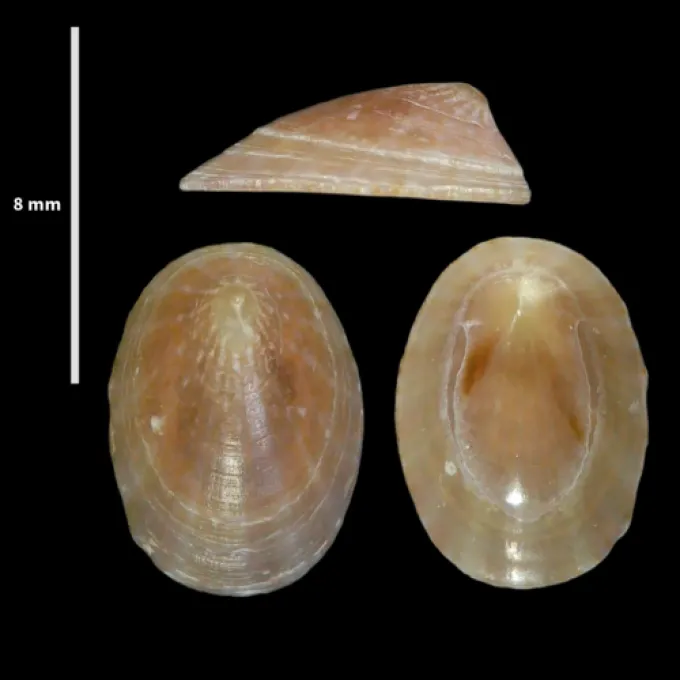
These organisms are identified by their conical, cap-shaped shells and a muscular foot that allows them to cling tightly to surfaces. Their movement is highly dependent on the presence of a moisture layer.
What it damages
Damage is caused by the radula, a specialized feeding organ used to scrape epidermal tissues from stems and lower leaves of crops touching the soil.
Significant economic losses occur when these pests affect young seedlings, which are unable to recover from tissue loss and subsequent susceptibility to secondary pathogens.
When it appears
These pests appear during periods of excessive soil saturation or high atmospheric humidity, particularly in regions with frequent fog or coastal rainfall patterns.
They are most active in low-light conditions and during the night, utilizing the dampness to travel across the soil to find fresh plant tissue for consumption.
Signs of infestation
Symptoms include irregularly shaped scrape marks on the surface of plant stems and petioles, often accompanied by faint slime trails that harden over time.
Infection entry points created by these pests often lead to chlorosis or necrosis of the lower foliage, causing the plant to weaken and exhibit stunted growth.
Control measures
Effective control requires rigorous moisture management, including improved field drainage and the reduction of weed cover that provides shelter for the pest.
Physical barriers such as coarse sand, crushed shells, or agricultural lime placed around the base of plants serve as effective deterrents against movement.
Taxonomy
- Latin name
- Tectura
- Order
- Molluscs
- Family
- Lottiidae
- EPPO code
- TCTUSP
Discussion
No discussions yet — be the first.