
Gerbil
Tatera
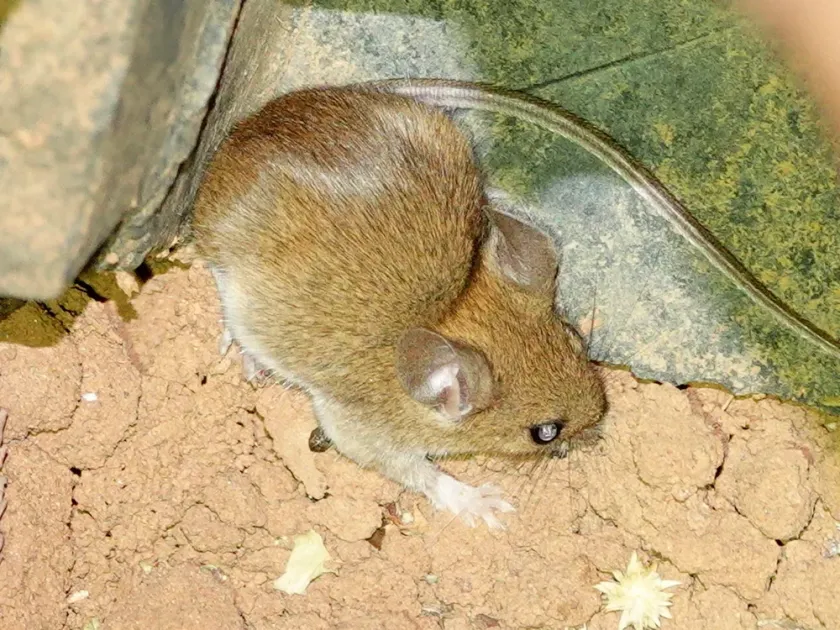
Description
How to identify
Gerbils, belonging to the genus Tatera, are rodents of the Muridae family adapted to arid environments. They are distinguished by their long hind legs, specialized for rapid leaping, and long, often tufted tails which serve as a balance during movement.
Their bodies are covered with soft, dense fur that ranges from sandy-yellow to brown, providing effective camouflage against the bare soil of steppe or semi-desert landscapes. Their sharp, continuously growing incisors allow them to gnaw through tough vegetation.
These rodents are primarily nocturnal or crepuscular, often remaining hidden during the heat of the day. They construct elaborate burrow systems featuring deep chambers for nesting and storing food, which protect them from predators and temperature fluctuations.
Gerbils typically live in colonies, leading to high population densities in specific areas. The presence of a colony is characterized by large mounds of excavated soil at the burrow entrances, which can be found across agricultural fields.
Understanding the specific habits of Tatera is essential for farmers in Asia and Africa, as these rodents are among the most persistent pests capable of thriving where other species would struggle.
##damage##Gerbils cause significant losses to cereal crops such as wheat, barley, and millet by gnawing through stalks at the base. This destruction leads to crop lodging and makes mechanized harvesting impossible or highly inefficient.
During the grain maturation phase, gerbils actively gather and transport ears of corn and wheat into their burrows. The amount of stored grain can be massive, representing a direct and severe economic loss for the farming operation.
Vegetable and industrial crops are also vulnerable. Gerbils feed on seeds immediately after planting, leading to poor crop establishment and the need for expensive reseeding efforts.
Root crops like carrots, beets, and potatoes are prone to being hollowed out by these rodents. Such damage not only renders the produce unmarketable but also opens pathways for soil-borne pathogens and rot.
Furthermore, gerbils may strip the bark from the trunks of young fruit trees, often causing the death of the tree, which is particularly devastating in orchards and nursery settings.
##season##Spring activity increases significantly as the growing season begins. Abundant green forage supports rapid population growth, leading to increased numbers of gerbils in active agricultural areas.
During the summer heat, gerbils modify their behavior by restricting activity to the coolest parts of the day, yet their destructive foraging continues throughout the night to meet their metabolic requirements.
The autumn period marks the peak of their destructive potential, as the drive to stockpile food for winter reaches its maximum. This timing coincides with harvest, resulting in increased field losses.
Winter does not necessarily lead to dormancy in warmer climates. Gerbils remain active, relying on their food stores and emerging on mild days to forage on remaining stubble or winter crops.
Population cycles are tightly linked to environmental factors and rainfall. Wet years often precede massive population booms, which can devastate large swathes of farmland if left unmonitored.
##signs##The primary indicators of a gerbil infestation are the presence of grouped burrow entrances accompanied by fresh soil mounds. Distinctive, well-trodden paths usually connect these burrows to foraging zones.
Crop damage often appears as clearings or areas with severed stalks. In cereal fields, the lack of grain in the heads, despite standing stalks, is a key sign of a feeding colony.
Signs of digging or remnants of food items scattered around burrow entrances are definitive evidence of colony presence. Footprints can frequently be found in soft soil around active entry points.
Audible cues, such as scratching or squeaking at night, help confirm the density of the infestation. An increase in the presence of predatory birds in a specific field section is often a biological indicator of high rodent activity.
Systematic scouting of fields at dawn provides a clear view of how many rodents are actively utilizing the area, which helps in assessing the severity of the threat.
##control##Agrotechnical management includes deep plowing and regular discing of fields, which physically destroys the burrow architecture and reduces the colony population by forcing them to vacate the site.
Biological control methods focus on creating habitats for natural predators such as owls, hawks, and small carnivores. Installing high perches for birds of prey has been shown to effectively suppress local rodent numbers.
Chemical control involves the strategic placement of rodenticides directly into the burrow system. This method ensures that target species are reached while minimizing the risk to non-target wildlife and domestic animals.
Integrated Pest Management (IPM) requires regular monitoring of burrow density to apply interventions before populations reach damaging levels, as early action is always more cost-effective.
- Application of specialized fumigants to clear burrow networks.
- Use of ultrasonic repellents in high-value crop zones.
- Maintaining clean field borders to eliminate potential shelter sites for rodents.
Taxonomy
- Latin name
- Tatera
- Order
- Rodents
- Family
- Muridae
- EPPO code
- TATESP
Discussion
No discussions yet — be the first.