
Taimbezinhia theobroma
Taimbezinhia theobroma
Description
How to identify
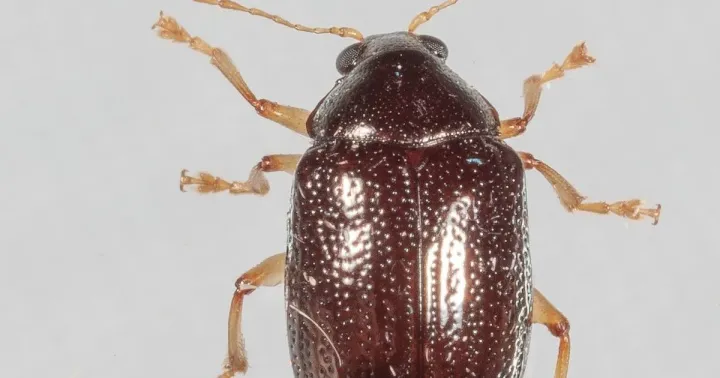
Taimbezinhia theobroma is a species within the Cerambycidae family, commonly known as longhorn beetles, belonging to the order Coleoptera. This species is a specialized phytophage closely associated with specific tropical tree species.
Adult insects are characterized by an elongated body shape, typical for longhorn beetles, featuring powerful mandibles and long antennae. Their coloration acts as camouflage, blending perfectly with tree bark.
The larvae are fleshy, white in appearance, with a robust head capsule designed for boring through dense wood fibers as they feed and develop.
The insect's life cycle is inextricably linked to the host plant, where larvae spend the majority of their growth phase, hidden inside the internal wood tissues.
Agronomists suggest utilizing pheromone traps for the early detection of adult activity on plantations, which is crucial for timely monitoring of the pest population.
What it damages
The primary hosts of this pest are plants belonging to the Malvaceae family, particularly the genus Theobroma, which includes the cacao tree. Related tropical species can also be affected.
Larvae feed by boring deep galleries into the wood under the bark, disrupting the vascular system of the tree and impeding the flow of water and nutrients.
Damage to the xylem and phloem can lead to branch dieback and, in severe infestations, the complete death of the tree due to nutritional depletion.
Mechanical damage creates entry points for secondary infections, including various fungal and bacterial pathogens that further degrade the tree's health.
The economic impact of this pest includes reduced harvest yields and a shortened productive lifespan of the trees, necessitating significant maintenance costs.
When it appears
The flight of adult insects typically occurs during periods with favorable tropical weather conditions, often correlating with the onset of the rainy season.
Females deposit eggs into crevices in the bark or specifically carved notches, marking the initiation of the next generation's growth cycle.
The development time from egg to adult varies significantly based on environmental conditions and the health status of the host plant, often lasting several months.
Larvae exhibit the most intense feeding behavior during periods of active sap flow, as the wood tissues are richer in nutrients at these times.
Continuous population monitoring is required, with increased vigilance during the mass emergence of adults for reproduction and egg-laying.
Signs of infestation
One of the initial signs of infestation is the appearance of holes in the bark, accompanied by the discharge of sap or frass (wood dust mixed with excrement).
Gradual yellowing and premature leaf fall in specific canopy areas indicate significant disruption in the tree's internal transport system.
Close inspection of tree trunks often reveals structural deformities and abnormal bark patterns caused by larval activity underneath.
- Fine wood dust accumulating at the base of the tree
- Wilting of the crown or specific major branches
- Circular or oval-shaped exit holes on the trunk
Visible signs of infestation often indicate that the internal wood damage has already reached a critical level, making recovery more difficult.
Control measures
The primary control measure is the systematic pruning and destruction of infested branches to limit the spread of the larvae throughout the plantation.
Application of systemic insecticides that can penetrate deep into the woody tissues is an effective strategy for managing infestations during early stages.
Maintaining high agricultural standards is essential, as healthy, vigorous trees are significantly more resistant to pest attacks.
Biological control options include the use of natural predators, such as parasitic wasps, or specialized entomopathogenic fungi targeting the larvae.
Treating trunks during the adult flight period is vital to prevent egg-laying and effectively reduce pest pressure on the plantation.
Taxonomy
- Latin name
- Taimbezinhia theobroma
- Order
- Coleoptera (beetles)
- Family
- Chrysomelidae
- EPPO code
- TAIMTH
Discussion
No discussions yet — be the first.