
Systates
Systates exaptus
Description
How to identify
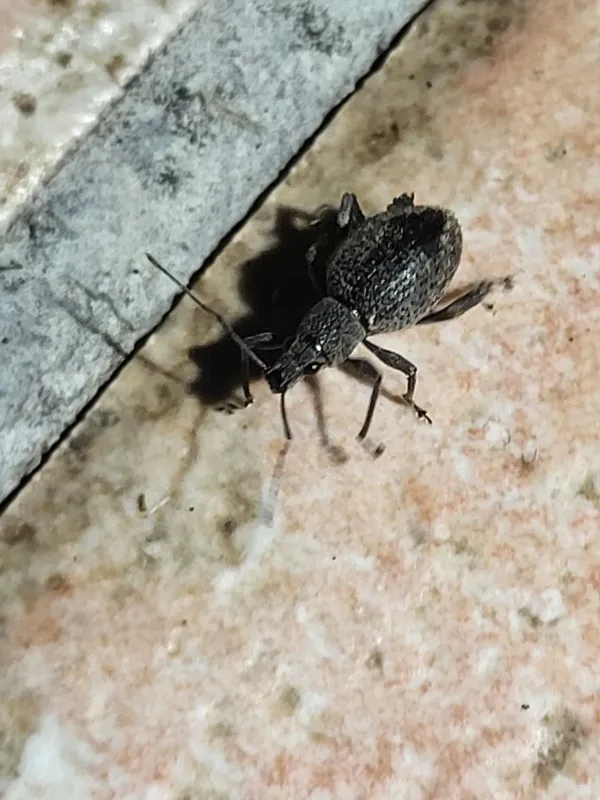
Systates exaptus is a species of weevil belonging to the family Curculionidae. These beetles are characterized by their elongated rostrum and robust, specialized body structure typical of the Coleoptera order.
The adult beetles are covered in scales that provide a brownish-grey coloration, allowing them to blend seamlessly with the soil environment and dry plant debris during the daylight hours.
Larval stages occur entirely within the soil. These larvae are legless, C-shaped grubs with creamy-white bodies, adapted for life in subterranean conditions where they feed on roots.
The life cycle of this weevil is highly dependent on environmental variables like soil moisture and temperature, which dictate the emergence timing of the adult beetles from the soil.
Identifying this pest requires diligence, as the adults are nocturnal and possess the instinct to drop from plants and feign death when disturbed, making them difficult to spot.
What it damages
Adult Systates exaptus feed on the aerial parts of plants, primarily targeting leaves, buds, and young shoots, often creating noticeable notches along the leaf margins.
The pest has a wide range of host plants, impacting various vegetables, pulses, and industrial crops, which contributes to its status as a significant agricultural threat.
The subterranean larvae are often the most destructive phase, as they feed on the root systems of developing plants, leading to impaired water and nutrient absorption.
Such root damage often results in stunted plant growth, yellowing, and in severe cases, the complete death of the crop, especially in younger, more vulnerable plants.
Economic damage is often cumulative, with the combined pressure of larval root pruning and adult foliage grazing significantly reducing overall yield potential.
Signs of infestation
One of the primary indicators of a Systates infestation is the presence of irregular, notched feeding marks on the edges of leaves, which are typically made at night.
Plants showing symptoms of water stress or wilting despite adequate soil moisture are often indicative of larvae feeding on the root system below ground.
A reduction in stand density or uneven development across the field can suggest localized infestations of these weevils within the soil profile.
Finding the adult beetles on the leaves or stems at night using a flashlight is the most accurate way to confirm their presence in the field.
In infested areas, checking the top layers of soil near the root zone often reveals the presence of white, legless larvae during the active growth season.
Control measures
Cultural practices, such as deep plowing and regular soil cultivation, help to disrupt the habitat of the larvae, exposing them to environmental stress and predators.
Implementing a diversified crop rotation strategy helps to break the life cycle of the weevil by removing preferred host plants from the field for consecutive seasons.
Chemical control measures, including the application of contact or systemic insecticides, are most effective when timed with the adult emergence phase.
Biological control, using entomopathogenic fungi or specialized nematodes, can be used to target larval populations within the soil to reduce overall infestation pressure.
- Maintain weed-free field margins to eliminate alternative host plants.
- Use pheromone or light traps to monitor adult flight periods.
- Apply fertilizers to improve plant recovery after minor damage.
Taxonomy
- Latin name
- Systates exaptus
- Order
- Coleoptera (beetles)
- Family
- Curculionidae
- EPPO code
- SYSTEX
Discussion
No discussions yet — be the first.