
Strepsicrates leafroller
Strepsicrates
Description
How to identify
Strepsicrates is a genus of moths belonging to the family Tortricidae (leafrollers), of the order Lepidoptera. Adult moths typically display a cryptic coloration pattern that allows them to blend in perfectly with tree bark and foliage when at rest.
The larvae of this genus, commonly known as leafrollers, possess cylindrical bodies with well-developed thoracic legs and abdominal prolegs. Their color typically ranges from pale green to brownish, providing excellent camouflage against their host plants.
A key identifying feature of the adults is their wing structure, which is held roof-like over the body when resting. The forewings often exhibit intricate patterns of mottled brown, gray, or ochre spots and stripes, aiding in their concealment.
For agricultural purposes, identifying the genus as a member of the Tortricidae family is often sufficient to initiate appropriate management practices. Moths are primarily nocturnal, making them less visible during daylight hours.
The life cycle involves complete metamorphosis, consisting of egg, larva, pupa, and adult stages. Understanding the timing of these stages is essential for timing pesticide applications effectively to achieve maximum impact on the larval population.
What it damages
Strepsicrates species primarily infest plants within the Myrtaceae family, most notably guava and various other tropical fruit-bearing crops. They are considered significant pests due to their impact on both vegetative and reproductive plant parts.
The larvae are leaf-feeders that consume tender leaves, causing partial or full defoliation. In addition to leaves, they may attack flower buds and developing fruit, directly resulting in yield losses and reduced fruit quality.
A trademark behavior of this pest is the use of silk to fold or roll leaves into protective shelters. Inside these rolls, larvae are shielded from predators, environmental stressors, and chemical sprays, making them difficult to control.
High population densities lead to severe foliage damage, which hinders photosynthesis and weakens the tree's overall vigor. Weakened trees are significantly more susceptible to secondary infections, such as fungal pathogens, which can exacerbate the damage.
Economic damage is most pronounced when infestations coincide with critical stages of plant growth. Failure to implement management strategies can result in significant reduction in harvest quantity and overall plantation productivity.
When it appears
The phenology of Strepsicrates is highly dependent on local climate conditions and the availability of host plants. In tropical environments, breeding can occur throughout the year, with overlapping generations often present.
Initial signs of larval activity usually coincide with the start of the vegetative growth season. As new, tender shoots appear, the pest concentrates its feeding activity on these highly nutritious parts of the plant.
Adult flight activity often peaks during the flowering period, serving as a reliable indicator for growers. Monitoring this activity with pheromone traps allows for the prediction of larval emergence, which is the most critical time for control interventions.
During the warmer months, reproduction dynamics increase, often leading to multiple overlapping generations on a single tree. This persistent presence of larvae requires continuous monitoring and frequent scouting to adapt the control strategy.
As the season progresses toward cooler conditions, the developmental rate may slow down. However, larvae remain active until conditions become too harsh, at which point they prepare for pupation in secluded areas within the canopy or bark crevices.
Signs of infestation
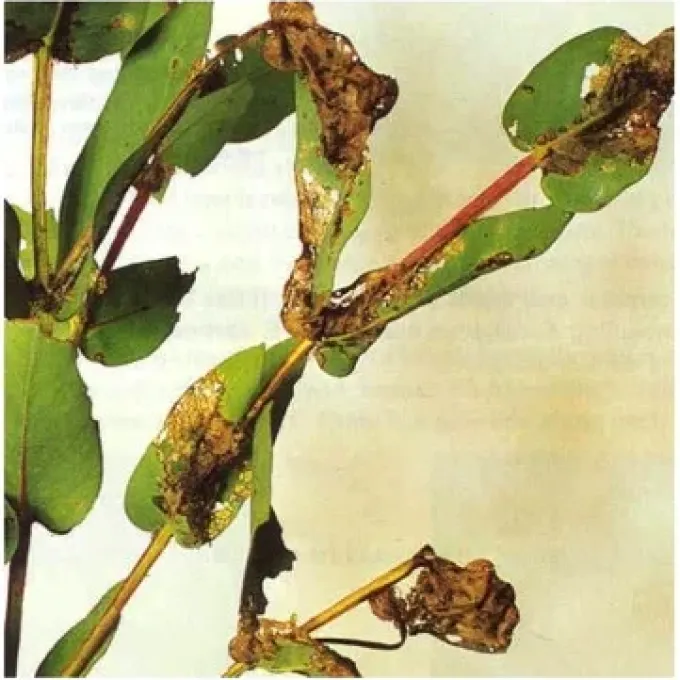
The most prominent sign of an infestation is the presence of rolled or folded leaves fastened with silken threads. Upon opening these structures, the larvae or their frass (excrement) will be clearly visible.
Initial larval damage manifests as skeletonized areas on leaf surfaces where the tissue has been consumed, leaving only the veins. Over time, these areas expand into irregular holes as the larvae continue their development.
Damage to reproductive organs is evident through premature bud drop or the presence of deformed fruit. The silk webbing is often visible on the surface of these buds and fruits, indicating the presence of the leafroller.
- Rolled or webbed leaves at the canopy tips.
- Visible skeletonizing or holes on leaf tissue.
- Small, dark fecal pellets left on leaves or webbing.
- Deformed growing tips and stunted shoot development.
- Premature abscission (drop) of fruit and buds.
Under severe infestations, the canopy may appear sparse and withered due to early leaf senescence and drop. Secondary mold growth may also develop on webbed areas during periods of high humidity, further damaging the aesthetic and commercial value of the crop.
Control measures
The control of Strepsicrates should utilize an Integrated Pest Management (IPM) framework that combines cultural, biological, and chemical methods to effectively lower the pest population.
Cultural practices include the removal and destruction of infested plant parts, such as webbed shoots and debris, which effectively eliminates potential pupation sites. This sanitation is vital for preventing re-infestation in the following cycle.
Biological control methods, including the release of beneficial predatory insects or the application of Bacillus thuringiensis-based products, provide an effective alternative to harsh chemical treatments, preserving the balance of beneficial fauna.
Chemical control should be strategically applied during the peak hatching period of larvae, specifically targeting the window before they successfully spin their protective leaf rolls. Systemic insecticides can provide improved control against larvae that are partially protected.
Regular orchard scouting using traps and visual inspection is paramount for success. By detecting infestations early, growers can optimize the application of control agents, reduce chemical costs, and maintain a healthier crop for harvest.
Taxonomy
- Latin name
- Strepsicrates
- Order
- Lepidoptera (butterflies)
- Family
- Tortricidae
- EPPO code
- STRZSP
Discussion
No discussions yet — be the first.