
Musk turtle
Sternotherus
Description
How to identify
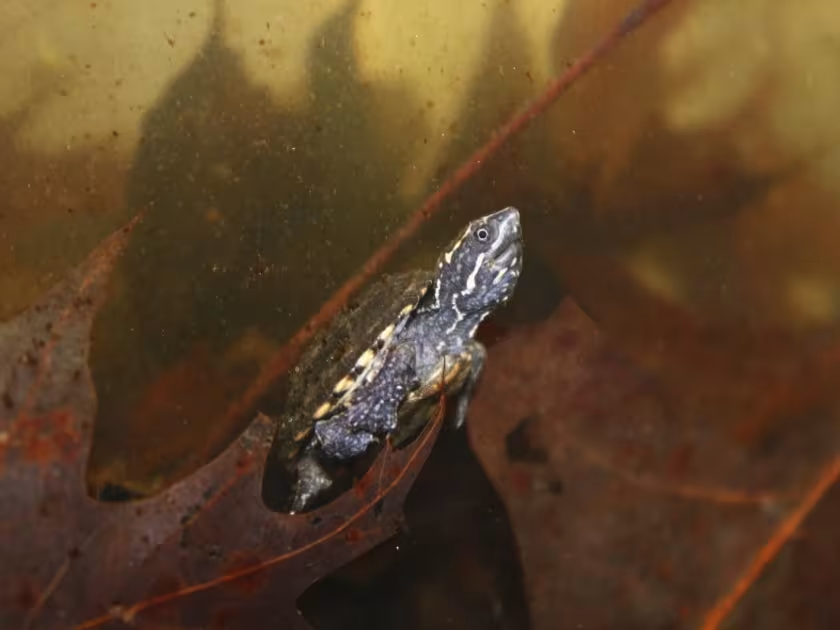
The musk turtle, belonging to the genus Sternotherus, is a small aquatic reptile characterized by a high, domed shell and a robust head. Adults typically measure about 10–13 cm in length, making them elusive within dense vegetation or hydroponic equipment.
These turtles are equipped with strong jaws designed to crush shells, a trait that allows them to cause mechanical damage to various infrastructure components in agricultural settings.
They are primarily bottom-dwellers, often hiding in mud or crevices. This cryptic behavior makes their initial detection in a controlled aquatic environment quite challenging for the manager.
Known for their omnivorous diet and high adaptability, they can thrive in various water qualities, making them a persistent issue if they manage to infiltrate an irrigation or aquaponic system.
Identifying this species requires an understanding of their preference for slow-moving water and their capacity to climb, which allows them to bypass simple physical barriers.
What it damages
In hydroponic and aquaponic environments, musk turtles cause damage by physically disturbing plant roots. They forage in the growing medium, uprooting or snapping roots, which leads to stunted growth or crop failure.
They pose a threat to critical infrastructure by gnawing on flexible hoses, aeration tubes, and irrigation lines, leading to water loss and oxygen deprivation for the crops.
The organic waste produced by turtles significantly alters the water chemistry. Increased ammonia levels and shifts in pH can create a toxic environment for sensitive plant species and aquatic life used in aquaponics.
Furthermore, turtles are potential vectors for pathogens that can compromise the safety and marketability of the produced crops, especially leafy greens intended for fresh consumption.
The mechanical damage to containment systems, such as floating platforms or mesh baskets, necessitates frequent repairs and increases the overall cost of farm maintenance.
When it appears
Musk turtles are most active during the spring and summer months when water temperatures rise, significantly increasing their metabolic rate and foraging drive.
In greenhouses with year-round climate control, their activity can persist throughout the entire year, requiring continuous monitoring and vigilance from the agricultural staff.
The breeding season often triggers migration, during which turtles may enter irrigation channels or artificial reservoirs in search of suitable nesting grounds or new habitats.
During colder months, they may enter a state of dormancy, burying themselves in sediment. However, they remain a hidden threat that can emerge rapidly as conditions improve.
Seasonal management plans should prioritize securing entry points before the onset of the active warmer months to prevent colony establishment.
Signs of infestation
The primary indication of a musk turtle presence is the finding of jagged bite marks on plant roots or the presence of uprooted seedlings floating in the water.
Physical evidence of damage, such as punctured tubes or shredded mesh, confirms the presence of a creature capable of significant mechanical force.
Unexplained changes in water quality, such as sudden turbidity or chemical imbalances, often correlate with turtle activity at the bottom of the system.
Direct visual observations, particularly during early morning hours when they may surface to breathe or bask, provide definitive proof of an infestation.
The disappearance of small fish or other aquatic organisms within the system serves as an indirect but strong indicator that a predator like a musk turtle is present.
Control measures
The most effective strategy is the installation of robust, fine-mesh physical barriers at all water inlets and access points to prevent the entry of turtles into the system.
Regular maintenance of the facility, including the removal of sludge and debris from channels, reduces the habitat appeal and limits the food sources that attract turtles.
Humane trapping using baited funnel traps allows for the safe removal of individuals. Captured turtles should be relocated to suitable natural habitats far from agricultural production areas.
Implementing vertical barriers around the perimeter of ponds or reservoirs can prevent turtles from crawling into sensitive cultivation areas.
Sanitation is key; ensuring that food scraps and waste are properly managed prevents the accumulation of resources that might encourage turtles to colonize the farm site.
Taxonomy
- Latin name
- Sternotherus
- Family
- Kinosternidae
- EPPO code
- STTHSP
Discussion
No discussions yet — be the first.