
Sternechus
Sternechus
Description
How to identify
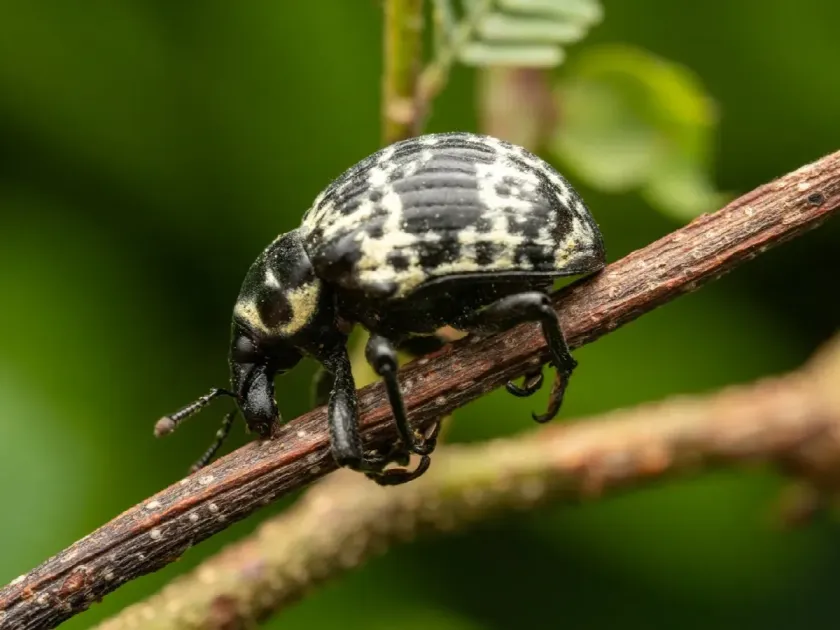
Sternechus is a genus of weevils belonging to the Curculionidae family. These insects are characterized by a pronounced snout and a dense, often dark exoskeleton that can exhibit metallic sheens or distinct mottled patterns depending on the species.
Adult beetles typically measure between 8 and 15 millimeters in length. They are known for their defensive behavior of playing dead when disturbed, dropping from the plant foliage to the soil surface, which makes them difficult to spot during routine scouting.
The larvae have a curved, fleshy, white or yellowish body with a distinct, hardened dark head capsule. Unlike the adults, the larvae are internal feeders, living and developing inside the plant tissues, often hidden from casual observation.
The life cycle undergoes complete metamorphosis, consisting of egg, larva, pupa, and adult stages. Depending on regional climate and species, the developmental cycle can range from several months to a full year, impacting the timing of management strategies.
Biological activity is highly synchronized with the growth stages of host crops. In warmer regions, multiple generations per year can occur, significantly increasing the population pressure on agricultural fields if left unmanaged.
What it damages
Sternechus is primarily recognized as a significant pest of soybeans. It is often treated as a major concern due to its potential to cause yield losses ranging from 20% to 50% in heavily infested areas, particularly when larval infestation is high.
Adult weevils cause damage by feeding on leaf margins and young shoots. While this reduces the overall photosynthetic capacity of the plant, the primary economic damage is inflicted by the larvae feeding inside the stems or crown area.
In addition to soybeans, this pest can utilize various leguminous weeds as alternative hosts. These weeds often serve as survival reservoirs, allowing the pest population to persist throughout the off-season and re-infest cultivated crops.
Larval feeding disrupts the vascular system of the stem, weakening the plant's structural integrity. This leads to lodging, where the stems collapse or break under moderate winds, making mechanical harvesting difficult or impossible.
Systemic damage caused by larvae facilitates the entry of secondary pathogens, such as fungi and bacteria, which cause stem rots. These secondary infections often finish what the insect started, leading to stunted plants and shriveled grain.
Signs of infestation
Early identification of adult presence is often possible by observing characteristic jagged feeding patterns on leaf margins. However, larval infestation is harder to detect until the plant starts showing visible signs of distress.
Key indicators include the appearance of localized swellings, galls, or thickened areas on the stems. If a stem is cut open in such an area, it will typically reveal a hollow cavity filled with frass, the larvae's waste material.
Wilting of the upper portion of the plant or premature yellowing of leaves in mid-season is a major red flag. These symptoms occur as the internal larval feeding channels effectively block the movement of water and essential nutrients.
- Presence of small exit holes on the lower parts of the plant stems.
- Stems that break easily or collapse when pushed or exposed to wind.
- Stunted plant growth and premature pod drop or seed shriveling.
- Sighting of adult beetles on the soil or lower leaves during the early morning hours.
Farmers should conduct destructive sampling of stems showing these symptoms to confirm the presence of larvae. Early detection is crucial, as larval damage is irreversible once the internal plant tissues have been destroyed.
Control measures
Managing Sternechus requires an integrated pest management (IPM) approach that combines cultural, physical, and chemical strategies. Crop rotation is the most effective cultural method, significantly reducing the population by removing host plants for several years.
Tillage practices, specifically deep autumn plowing, help destroy overwintering sites, including pupae and adults hidden in the soil. Clearing crop residues immediately after harvest also denies the pest the shelter and food necessary to survive.
Chemical control involves the application of systemic insecticides during peak adult emergence, targeted before egg-laying occurs. Using products with long-lasting residual activity is essential for effective protection against newly hatched larvae.
Seed treatment with insecticide-active ingredients provides a proactive shield, protecting young seedlings from early-season feeding. This minimizes initial population establishment in the field and provides time for the crop to reach a more robust growth stage.
Regular scouting using pheromone or yellow sticky traps can help determine the exact peak of activity. By timing chemical sprays according to these field observations, farmers can optimize costs and maintain crop yields within profitable margins.
Taxonomy
- Latin name
- Sternechus
- Order
- Coleoptera (beetles)
- Family
- Curculionidae
- EPPO code
- STECSP
Discussion
No discussions yet — be the first.