
Steriphus caudatus
Steriphus caudatus
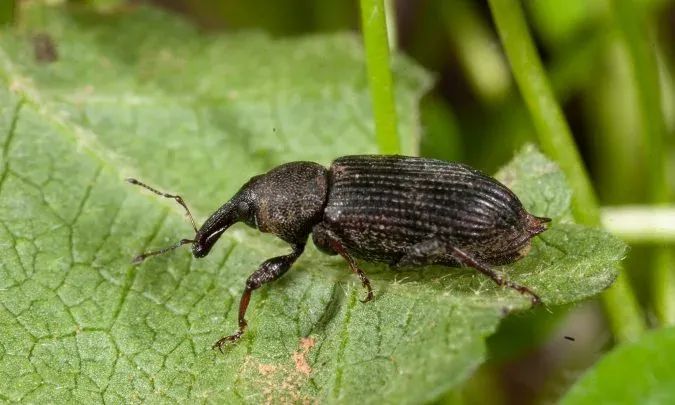
Description
How to identify
Steriphus caudatus is a species of weevil belonging to the Curculionidae family. It is characterized by a specific elongated body shape and the presence of distinctive, tail-like appendages on the elytra, which inspired its scientific name.
The adult beetle possesses a robust snout adapted for feeding on various plant tissues. Its color is typically dark or mottled, acting as a camouflage mechanism against tree bark or soil substrates.
Larvae are typical of the weevil family, exhibiting a legless, C-shaped form with a pale white or yellowish coloration and a well-defined, darker sclerotized head capsule.
Due to their cryptic lifestyle, adult beetles are often difficult to detect during daylight hours, preferring to remain hidden in bark fissures or under debris on the ground.
Understanding their morphology is crucial for accurate identification, as there are many look-alike species in the Curculionidae family that occupy similar ecological niches.
What it damages
Steriphus caudatus is recognized as a polyphagous pest, capable of damaging both deciduous trees and various woody plants. Its feeding habits directly impact the physiological health of the host plant.
Adults primarily feed on buds, young leaves, and tender shoots, causing visible defoliation and hindering the normal development of the plant's seasonal foliage.
The larvae are internal feeders, creating galleries within the stems or branches. This disrupts the transport of water and nutrients, which often leads to the wilting and death of distal plant parts.
In high-density infestations, the cumulative damage can result in significantly reduced crop yields, poor growth of saplings, and the overall decline of individual trees.
Plants weakened by environmental stress factors such as drought or nutrient deficiency are significantly more susceptible to severe damage by this pest.
When it appears
The lifecycle of Steriphus caudatus is synchronized with the phenological stages of its host plants. Overwintered adults typically emerge in early spring, coinciding with bud burst.
During the spring and early summer, adults engage in maturation feeding and oviposition, selecting suitable sites on the host plant to lay their eggs.
Larval development occurs throughout the summer months. As the larvae grow, they bore deeper into the plant tissues, spending the majority of their growth phase protected within the wood or stems.
Pupation usually occurs late in the season, either within the larval galleries or by exiting to the soil, depending on the specific environmental conditions of the region.
As temperatures drop in the autumn, the new generation of adults seeks shelter in soil litter or bark crevices to survive the winter period.
Signs of infestation
Key indicators of an infestation include the presence of small, irregular feeding holes on leaves and damaged buds that fail to open correctly in the spring.
Evidence of larval activity often manifests as accumulations of frass (sawdust-like excrement) around the base of branches or at the points of entry into stems.
Dieback of individual twigs or branches during the active growing season is a classic sign of internal larval boring interfering with the host plant's vascular system.
Localized swelling or deformation of the bark can also suggest the presence of larvae developing underneath the surface of the plant tissue.
- Premature yellowing of leaves on specific branches.
- Visible puncture marks or entry holes in stems.
- Sudden wilting of shoots without obvious water stress.
Control measures
Effective management begins with strict sanitation practices, such as the pruning and removal of infested branches, which significantly lowers the population density within the orchard or forest.
Chemical control measures using systemic insecticides are most effective when applied during the peak emergence of adults in the spring, guided by monitoring programs.
Pheromone traps and sticky bands are valuable tools for monitoring adult activity levels, allowing for precise timing of interventions to minimize the use of pesticides.
Integrated Pest Management (IPM) strategies often include fostering natural predators and parasitoids that help regulate the population of Steriphus caudatus in a natural way.
Promoting overall plant health through balanced fertilization and appropriate irrigation helps the host plants recover from damage and maintain their natural defense mechanisms.
Taxonomy
- Latin name
- Steriphus caudatus
- Order
- Coleoptera (beetles)
- Family
- Curculionidae
- EPPO code
- DESICA
Discussion
No discussions yet — be the first.