
Steremnius
Steremnius
Description
How to identify
Steremnius is a genus of weevils belonging to the family Curculionidae. These insects are recognized as significant pests in forestry, particularly affecting young conifer plantations.
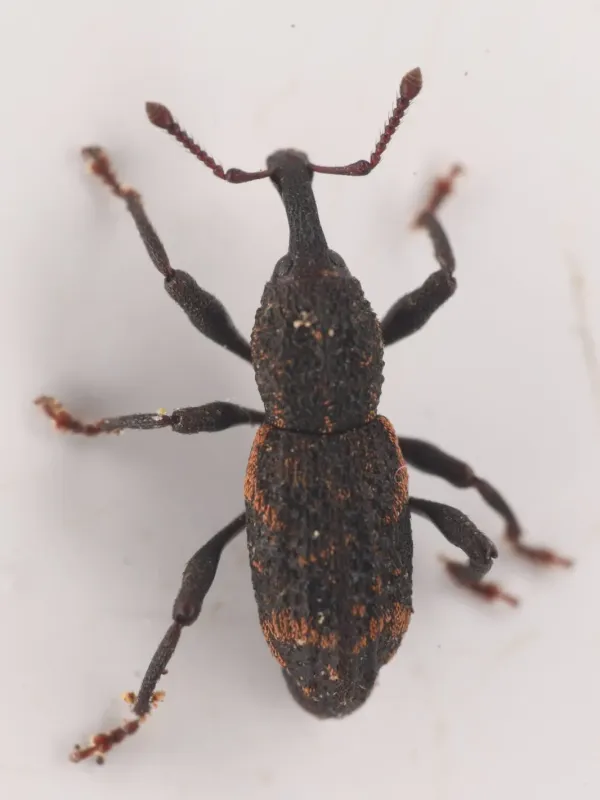
Adult beetles are typically dark in color, ranging from black to dark brown, with a robust body and a prominent snout. Their appearance allows them to blend seamlessly with the bark of trees and leaf litter.
The larvae are legless, white to cream-colored with a darker, sclerotized head capsule. They are specifically adapted for burrowing into the inner bark and cambium layers of their host trees.
These insects are elusive, often remaining hidden during the day, which makes them difficult to monitor without specialized knowledge and systematic field inspections.
Due to the morphological similarity among different species within the genus, accurate identification to the species level often requires the expertise of an entomologist and detailed laboratory observation.
What it damages
The primary hosts for Steremnius are young conifer trees, including species of spruce, pine, and fir. They pose a major threat to commercial nurseries and reforestation sites.
Adult beetles cause damage by feeding on the tender bark of stems and twigs, which can lead to girdling. This disruption of the vascular system prevents the flow of nutrients and often results in the death of the sapling.
Larval feeding is particularly destructive, as they tunnel through the cambium at the base of the stem, often causing structural instability and immediate collapse of the tree.
In high-density populations, these weevils can clear entire sections of young plantations, making it extremely difficult to establish new growth in infested areas.
Tree damage caused by these weevils frequently makes the plant susceptible to secondary infections from fungi and other opportunistic pathogens, worsening the overall damage.
When it appears
The activity of these pests begins in early spring as temperatures rise, signaling the emergence of overwintering adults from the soil and debris near the base of host trees.
Feeding peaks during the late spring and early summer months, coinciding with the rapid growth period of young conifers when the bark is most succulent and vulnerable.
Oviposition typically occurs in late summer or early autumn, with females selecting crevices in the bark or the soil at the base of trees to lay their eggs for the next generation.
They overwinter in the soil or deep within the forest floor litter, where the protective cover of organic matter helps them survive harsh winter temperatures.
Seasonal patterns can vary depending on regional geography and climate, which dictates the timing of management practices like monitoring or insecticide application.
Signs of infestation
The earliest signs of an infestation include irregularly shaped feeding patches or rings around the stem of young conifers, which eventually cause the needles to turn yellow or brown.
Observation of the root collar often reveals frass (excrement) and sawdust, indicating active feeding or tunneling by larvae beneath the surface of the bark.
Wilting of the terminal shoots and a loss of turgor in the crown are strong indicators that the tree's health has been significantly compromised by the weevil's activity.
- Yellowing and browning of needles.
- Visible gnaw marks or necrotic lesions on the bark.
- Death of terminal shoots.
- Presence of larval boreholes in the inner bark.
If these symptoms are observed across a young plantation, it is a clear sign of high pest pressure requiring immediate mitigation efforts to save the remaining stock.
Control measures
Integrated Pest Management (IPM) is essential for controlling Steremnius, starting with strict sanitary measures such as removing old stumps and slash from harvest sites.
Barriers or physical protections for young seedlings can be effective in preventing adult beetles from reaching the stem to feed, especially in high-risk areas.
Chemical control should be used judiciously, targeting peak activity periods of adult beetles only when other cultural methods have proven insufficient to protect the stock.
Regular monitoring using bait traps can help foresters detect the presence of the beetle early in the season, allowing for proactive management before the population explodes.
Maintaining tree vigor through proper silvicultural practices ensures that plants are more resilient to minor infestations and are less likely to suffer fatal damage.
Taxonomy
- Latin name
- Steremnius
- Order
- Coleoptera (beetles)
- Family
- Curculionidae
- EPPO code
- STMISP
Discussion
No discussions yet — be the first.