
Stenocarus
Stenocarus
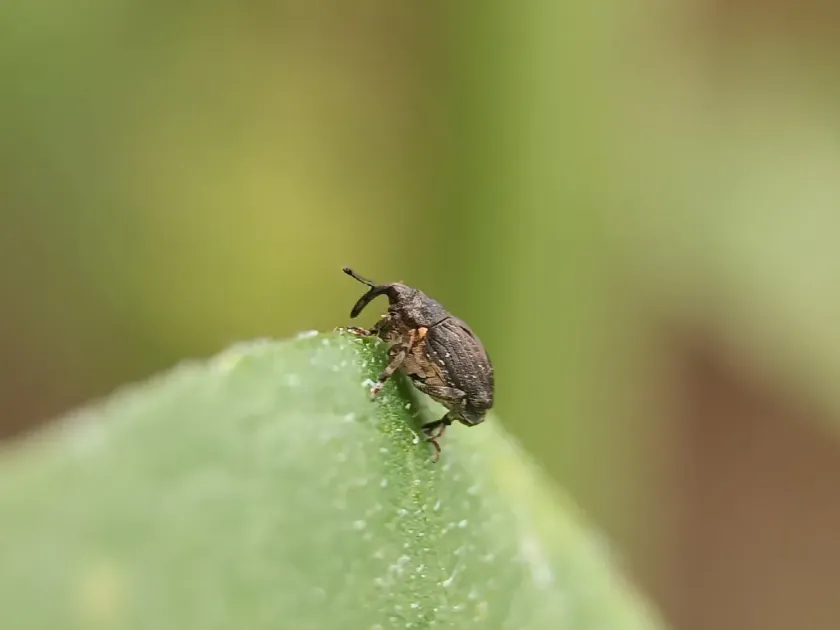
Description
How to identify
Stenocarus is a genus of beetles belonging to the Curculionidae family, commonly known as true weevils, within the order Coleoptera. These insects are highly specialized and often associated with specific host plants.
Adult beetles possess the characteristic snout (rostrum) typical of the weevil family, which they use for feeding and excavating sites for oviposition. They have a hardened exoskeleton that provides resilience against environmental stressors.
The coloration of Stenocarus species is usually dark, ranging from brown to black, which aids in camouflage against soil and plant debris during their periods of inactivity.
The larvae are legless, C-shaped grubs with a pale, whitish, or yellowish appearance. Their biology is primarily hidden, as they spend most of their life cycle sequestered inside plant tissues.
The life cycle involves complete metamorphosis: egg, larva, pupa, and adult. Each stage is adapted to ensure survival in the specific micro-environment of their host plants.
What it damages
The primary hosts for Stenocarus are members of the Papaveraceae family, particularly the opium poppy (Papaver somniferum) and related species.
Adult beetles feed on the leaves, creating small, circular holes that reduce the plant's leaf area, thereby affecting its ability to perform photosynthesis efficiently.
The most significant damage is caused by the larvae, which tunnel into the stems or flower stalks. This boring activity disrupts the vascular system, preventing the transport of water and nutrients.
This internal damage frequently results in stem curvature, wilting, and in severe cases, the death of the plant, leading to significant thinning of the crop stand.
Overall yield loss occurs not only through plant death but also through poor development of seed capsules and lower quality of the resulting poppy seeds.
When it appears
Adults overwinter in the soil or beneath accumulated plant residue, remaining dormant until the return of warmer spring temperatures.
Emergence occurs in early spring, coinciding with the early growth stages of the poppy crop. The beetles immediately begin feeding on the young foliage to gain energy for reproduction.
Oviposition typically takes place during the late spring, as the host plants grow rapidly. Females insert eggs into the tissues of the poppy stems.
Larval development proceeds throughout the summer months within the host tissues, where they are protected from predators and many external environmental factors.
The adult stage of the new generation usually appears by late summer, eventually seeking protected overwintering sites as temperatures begin to drop in autumn.
Signs of infestation
Early warning signs include the presence of numerous small feeding holes on the leaves, indicating the arrival and activity of adult weevils in the field.
As larvae develop, infested plants may exhibit stunted growth or localized swellings on the stems, which are clear indicators of internal feeding damage.
Visual inspection often reveals drooping or crooked flower stalks, which are frequently the result of internal stem tissue destruction by the larvae.
When investigating a suspicious plant, the presence of frass (larval excrement) or bored tunnels inside the stems confirms an infestation by this weevil.
Withered or yellowing leaves on otherwise healthy-looking plants during a normal weather cycle can suggest that the stem integrity has been compromised by boring pests.
Control measures
Crop rotation is the most effective cultural control method, as avoiding poppy cultivation on the same land for at least three to four years breaks the pest's life cycle.
Post-harvest deep tillage or plowing helps disturb the soil, exposing overwintering adult weevils to birds, predators, and harsh winter conditions.
Chemical control focuses on the adult stage. Applying systemic or contact insecticides early in the season is critical to kill the beetles before they lay their eggs.
Regular scouting using yellow sticky traps or direct counts allows farmers to assess population density and apply pesticides only when economic thresholds are met.
Maintaining strong, healthy crops through balanced fertilization and weed management helps plants tolerate light infestations and recover more quickly from potential damage.
Taxonomy
- Latin name
- Stenocarus
- Order
- Coleoptera (beetles)
- Family
- Curculionidae
- EPPO code
- STESSP
Discussion
No discussions yet — be the first.