
Statherotis discana
Statherotis discana
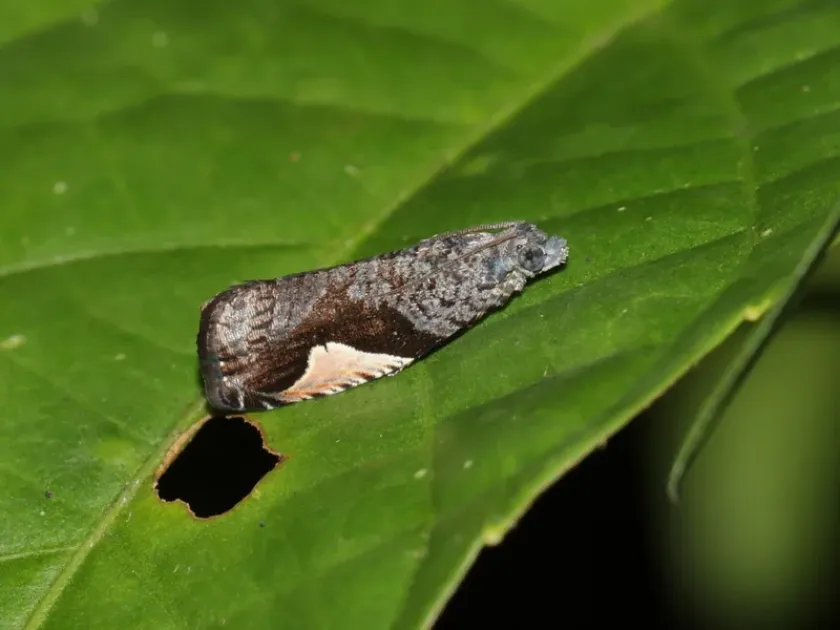
Description
How to identify
Statherotis discana is a species of moth belonging to the family Tortricidae. These moths are recognized as significant agricultural pests in various regions, specifically targeting woody plants and fruit-bearing trees through their larval stage.
Adult moths possess a cryptic coloration pattern, which acts as camouflage against the bark of host trees. Their nocturnal behavior and elusive nature make them difficult to detect during daylight hours without specialized monitoring equipment.
The life cycle of this pest consists of a complete metamorphosis: egg, larva, pupa, and adult. The larval stage is responsible for the damage, as they undergo several molting phases, increasing in size and feeding capacity with each instar.
Developmental rates are strictly regulated by ambient temperature and relative humidity. In optimal conditions, the species can complete multiple generations within a single growing season, significantly increasing the population pressure on crops.
Overwintering typically occurs as either pupae or young larvae hidden within the crevices of tree bark or within rolled leaves. This diapause strategy ensures the survival of the species during cold periods or unfavorable climatic conditions.
What it damages
Statherotis discana primarily damages Rosaceae crops. Larvae feed on various parts of the host plant, including vegetative buds, emerging leaves, and young fruit, which can lead to considerable loss of biomass and yield.
Severe infestations can lead to stunted growth and reduced overall vigor of the trees. The depletion of photosynthetic tissue due to leaf damage impacts the tree's ability to store energy for the subsequent year's development.
Fruit damage is the most critical economic concern. Larvae bore into the fruit, creating internal tunnels that provide entry points for secondary pathogens, such as fungi and bacteria, leading to rot and total loss of the fruit's market value.
Young orchards are particularly susceptible to the negative effects of this pest. The destruction of apical buds can alter the growth architecture of the tree, potentially delaying the onset of productive fruit bearing for several years.
Economic damage is cumulative, encompassing both direct yield losses and the increased expenditure required for effective pest control measures and orchard maintenance.
Signs of infestation
The presence of Statherotis discana is frequently indicated by the observation of rolled or webbed leaves. Larvae create these shelters using silk threads, and their feeding activity leads to ragged, irregular holes in the leaf blades.
Frass (larval waste) accumulations on leaves, twigs, or near the entry points of infested fruit are key indicators of pest activity. The presence of fine silk webbing across buds or fruit surfaces is a diagnostic sign of an active infestation.
Infested fruit often show signs of premature ripening, discoloration, or exuded sap (gummosis) around the larval entry hole. These fruits often drop prematurely before reaching full maturity.
During the flowering stage, the damage to floral buds is evident as deformed or withered blooms that fail to develop into healthy fruit. Monitoring for these symptoms is crucial in the early spring.
The capture of adult moths in pheromone or light traps provides early warning of population peaks. These indicators are essential for timing protective interventions effectively.
Control measures
Orchard sanitation is the foundational step in managing Statherotis discana. This involves removing and destroying infested foliage, pruning damaged branches, and scraping loose bark to eliminate overwintering sites.
Biological control agents, including entomopathogenic bacteria (such as Bacillus thuringiensis) and parasitic wasps, can be deployed to suppress larval populations while minimizing impact on beneficial insects.
Chemical control should be implemented based on economic injury thresholds to ensure sustainable practice. Selective insecticides are preferred to protect natural enemies and maintain the ecological balance of the orchard environment.
Pheromone monitoring is a vital tool for precise timing of interventions. By identifying the peak flight of adults, growers can apply treatments when the vulnerable young larvae emerge, ensuring higher efficacy.
- Sanitary pruning and removal of infested plant parts
- Deployment of pheromone traps for monitoring and mating disruption
- Targeted application of biological insecticides during larval emergence
- Promotion of natural predatory insect populations
- Regular orchard inspections to determine infection levels
Taxonomy
- Latin name
- Statherotis discana
- Order
- Lepidoptera (butterflies)
- Family
- Tortricidae
- EPPO code
- STAEDI
Discussion
No discussions yet — be the first.