
Statherotis
Statherotis
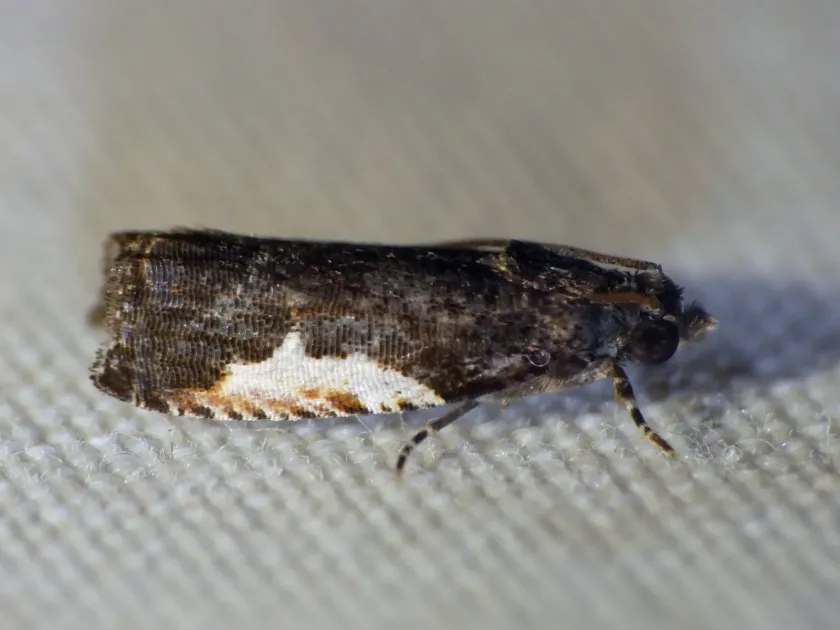
Description
How to identify
Statherotis is a genus of moths belonging to the family Tortricidae, commonly known as leafrollers. These insects are small and often overlooked due to their cryptic coloration, which allows them to blend seamlessly with tree bark or leaf surfaces.
Adult moths exhibit the characteristic wing structure of the family, folding their wings flat over their back when at rest. The wingspan is modest, and the color palette ranges from grayish to brownish tones, often featuring intricate, indistinct patterns for camouflage.
The larvae, or caterpillars, possess a well-defined head capsule and typically display a pale or greenish body color, which provides excellent mimicry against young foliage. They are agile and will drop from the plant on a silken thread when disturbed.
The life cycle involves four distinct stages: egg, larva, pupa, and adult. Depending on the geographical climate and specific species, the pest may produce multiple generations throughout a single growing season.
Overwintering usually occurs at the pupal or mature larval stage. The insects form dense silk cocoons hidden within bark crevices, accumulated plant debris, or the top layer of soil beneath the host plant's canopy.
What it damages
Statherotis primarily targets woody plants and shrubs, affecting both ornamental varieties and fruit-bearing trees. Reports frequently highlight damage in species within the Rosaceae family, as well as several coniferous tree varieties.
The most significant damage is caused by the caterpillars, which begin feeding immediately upon hatching. They prefer the most tender parts of the host plant, resulting in substantial yield losses and a reduction in the aesthetic appeal of the vegetation.
Signs of infestation
The primary indicator of a Statherotis infestation is the presence of curled or rolled leaves, which the caterpillars web together to create protective shelters. Inside these structures, the larvae skeletonize the leaf tissue, leaving only the veins behind.
Another telltale sign involves damage to developing buds and tender young shoots. Under conditions of high population density, mass yellowing and premature leaf drop are common, which significantly weakens the plant's overall health and immunity.
Control measures
Managing Statherotis requires an integrated approach that begins with cultural practices. Regular cleaning of bark surfaces to remove loose debris and the systematic removal of fallen plant material effectively eliminates overwintering pupal sites.
During the growing season, biological insecticides based on Bacillus thuringiensis are highly effective. These products are environmentally friendly and safe for beneficial insects, yet they act quickly to control young larval populations.
In cases where pest populations exceed economic thresholds, the application of systemic chemical insecticides may be necessary. Treatments should be performed during evening hours to minimize harm to pollinators and maximize contact with the nocturnal-active larvae.
Taxonomy
- Latin name
- Statherotis
- Order
- Lepidoptera (butterflies)
- Family
- Tortricidae
- EPPO code
- STAESP
Discussion
No discussions yet — be the first.