
Squamura
Squamura
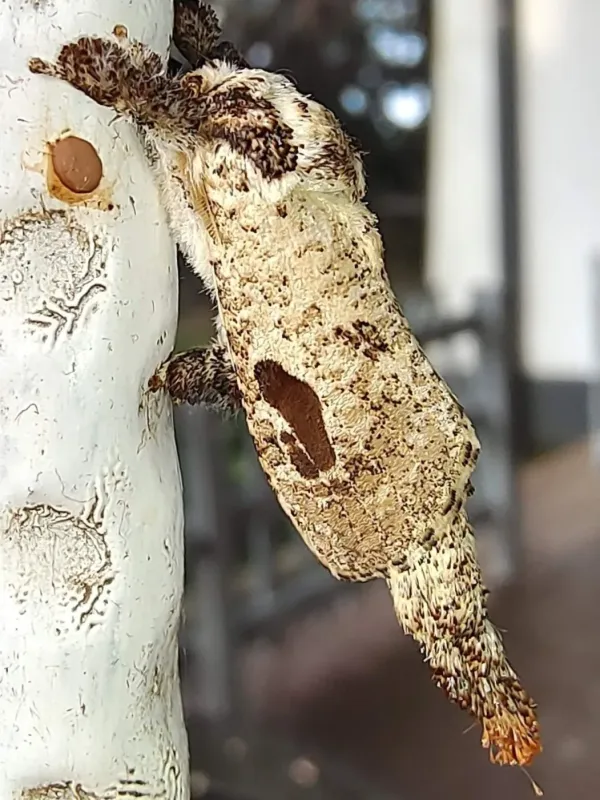
Description
How to identify
Squamura is a genus of moths belonging to the family Cossidae, commonly known as carpenter moths. The adult moths are characterized by a robust body and elongated wings, which typically feature a mottled pattern that provides excellent camouflage against tree bark.
The larvae are typically wood-boring, possessing a cylindrical body and a hardened, chitinous head capsule. These larvae live inside the woody parts of the plants, where they remain protected from most contact-based natural enemies.
The life cycle involves complete metamorphosis, consisting of the egg, larval, pupal, and adult stages. Depending on the local climate, the completion of one full life cycle can take between one to several years, making population management challenging.
Because the larvae spend most of their time hidden inside tree tissues, identifying the presence of Squamura requires looking for subtle external signs. Entymologists rely on identifying the specific patterns of larval galleries in the wood.
The genus falls under the order Lepidoptera. Understanding the specific biology of this genus is essential for agricultural specialists who need to implement monitoring programs in plantations and nurseries to protect young tree stands.
What it damages
The primary damage is caused by the larvae, which are wood-borers. They feed on a wide variety of woody plants, including fruit trees and timber species, by boring deep into the stems, branches, or root crowns.
As the larvae create tunnels within the wood, they physically damage the xylem and phloem. This disruption prevents the normal transport of water and nutrients throughout the tree, leading to severe physiological stress.
Structural integrity is another major concern, as extensive tunneling can lead to internal cavities. This weakens the tree, making it prone to breaking during high winds or heavy snow, which is particularly dangerous for young fruit trees.
Symptoms of infestation include reduced growth, premature yellowing of leaves, and dieback of branches. Over time, the cumulative impact of these activities can lead to the total mortality of the affected plant if no intervention occurs.
Furthermore, these larval galleries provide easy entry points for various pathogenic fungi and bacteria. This secondary infection often complicates the health of the tree, accelerating the process of decay and decline.
Signs of infestation
The most reliable sign of a Squamura infestation is the presence of frass, which is a mixture of wood particles and larval excrement. This debris is often found piled up at the base of the tree or around the entrance holes.
Entrance holes in the bark are clear indicators of colonization. In many cases, these openings are accompanied by sap exudation, especially in drupe-bearing trees, representing a defense response of the host plant.
Vascular damage often results in the wilting of specific branches. If parts of the canopy appear dehydrated or brown while the rest of the tree looks normal, it may indicate a larval gallery blocking the nutrient flow in that specific branch.
A general decline in the tree’s vitality is a common symptom. During the growth season, infested trees fail to show normal vigor and may exhibit signs of severe distress such as thinning foliage or stunted shoot development.
Close inspection of the bark and main stems can reveal irregular tunneling paths. Removing loose bark often exposes these galleries, where larvae or pupal remnants can sometimes be found upon careful examination.
Control measures
Effective management of Squamura requires a multi-faceted approach. Because the larvae are hidden deep within the wood, simple foliar sprays are often ineffective against mature, established populations.
Good agricultural practice is the first line of defense. This includes regular sanitation, such as pruning and destroying heavily infested branches to reduce the pest population density in the garden or plantation.
Chemical control is most effective during the initial phases of the life cycle. Specifically, timing insecticide applications to coincide with the hatching of young larvae, before they penetrate the bark, yields the best results.
For high-value trees, manual intervention may be necessary. This involves injecting insecticides directly into the larval tunnels using a syringe, which can effectively target the pest while minimizing the impact on the environment.
Prevention through maintaining plant health is crucial. Trees that receive adequate irrigation and balanced fertilization are generally more resilient and better equipped to survive minor infestations without succumbing to the pest.
Taxonomy
- Latin name
- Squamura
- Order
- Lepidoptera (butterflies)
- Family
- Metarbelidae
- EPPO code
- SQUASP
Discussion
No discussions yet — be the first.