
Sphyradium doliolum
Sphyradium doliolum
Description
How to identify
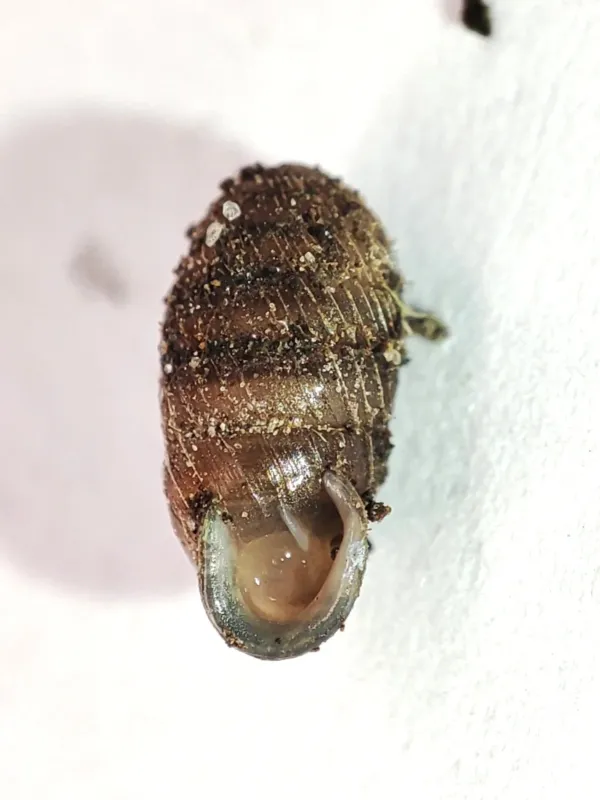
Sphyradium doliolum is a minute species of terrestrial pulmonate gastropod belonging to the Vertiginidae family. As the name suggests, its shell has a distinct barrel shape, measuring only 2–3 mm in height.
The shell is typically horn-colored or brownish with fine radial striae on the surface. Identification is often confirmed by observing the specific apertural barriers (teeth) located inside the shell mouth.
This mollusk is cryptic, spending much of its time hidden in leaf litter or moist soil. Due to its microscopic size, it often goes unnoticed by growers until significant damage occurs.
The soft body is light brown and perfectly adapted for maneuvering through moist substrates and low-lying vegetation. It relies heavily on local humidity levels for survival.
Widely distributed across Europe, it is found in damp meadows, forests, and cultivated agricultural lands where moisture conditions are suitable for its activity.
What it damages
Sphyradium doliolum primarily targets young seedlings of vegetable and ornamental crops. It feeds on tender plant tissues, causing ragged holes in leaves and stems.
The damage is most severe during the early growth stages of plants. Frequent feeding on the growing point or tender leaves can significantly stunt development or cause seedling mortality.
Beyond direct feeding, these mollusks serve as vectors for various plant pathogens. The open wounds created during feeding provide entry points for bacteria and fungi.
Damage is usually concentrated on the lower leaves in contact with the ground, though in high-humidity greenhouse environments, they may climb higher to reach succulent foliage.
The presence of dried mucus trails often accompanies the feeding sites, which can reduce the aesthetic value and commercial quality of horticultural products.
When it appears
The activity of this mollusk is highly dependent on climate, specifically moisture. Peaks in activity are observed during wet, temperate spring and autumn months.
During hot or dry summer weather, the species retreats deep into the soil or under debris, entering a state of dormancy to prevent desiccation.
In greenhouses or controlled environments, where humidity is kept high, this species can remain active and reproductive throughout the entire growing season.
Reproduction occurs during favorable warm conditions. High soil moisture is essential for the survival of eggs and juveniles, making irrigation management critical.
Adults overwinter in the soil or beneath thick vegetative cover, allowing them to survive winter temperatures and emerge as soon as conditions become favorable in the spring.
Signs of infestation
Signs of an infestation include small, irregular holes in the lower leaves of plants near the soil surface. Unlike insect damage, these lesions are often accompanied by mucus trails.
Wilting of seedlings without apparent root rot is a common symptom in greenhouse beds, where the mollusk may be feeding on the stem base.
During early mornings or after rainfall, the mollusks can be found by inspecting the undersides of leaves or looking under damp debris near the affected plants.
Increased activity of the pest is often correlated with poor field sanitation, as excessive plant debris provides both food and shelter for the population.
Persistent presence of the pest leads to noticeable thinning of crops and uneven growth, as plants struggle to recover from continuous grazing pressure.
Control measures
Effective management begins with cultural controls. Reducing soil moisture levels and improving drainage can make the environment less habitable for the species.
Regular weeding and the removal of plant debris are crucial, as these materials offer refuge for the mollusks during the day.
- Use coarse mulches like gravel or crushed shells, which are physically uncomfortable for mollusks to traverse.
- Deploy traps, such as containers with fermented liquids, to monitor and mechanically remove the population.
- Consider biological control agents like predatory nematodes that target gastropods in the soil.
Chemical control using molluscicides should be a last resort. Products based on metaldehyde must be used carefully according to label instructions to protect the local ecosystem.
Thorough sanitization of greenhouse areas before planting will drastically reduce the likelihood of a Sphyradium doliolum outbreak in the new season.
Taxonomy
- Latin name
- Sphyradium doliolum
- Order
- Molluscs
- Family
- Orculidae
- EPPO code
- SPYDDO
Discussion
No discussions yet — be the first.