
Sphyradium
Sphyradium
Description
How to identify
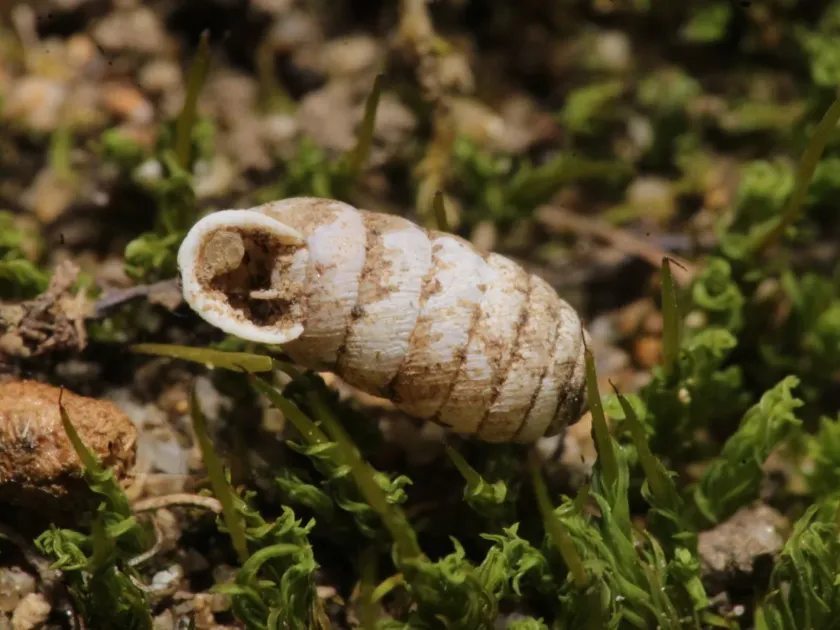
Sphyradium is a genus of minute land snails belonging to the family Pupillidae. Unlike common slugs, these organisms possess tiny, often elongated or cylindrical shells that make them nearly invisible among soil particles and decaying organic matter.
Systematically, this genus belongs to the order Stylommatophora (land snails and slugs). These mollusks are hermaphroditic, allowing them to reproduce rapidly in environments with high humidity and abundant organic debris.
The shell of a Sphyradium is typically very small, often measuring only 2–3 mm in length, which makes accurate field identification challenging without magnification tools.
Their biology is heavily dependent on moisture. They lead a cryptic lifestyle, hiding during the day under soil clumps or in the lower canopy of dense vegetation where the microclimate protects them from desiccation.
Reproduction typically occurs during the spring and summer months. Eggs are laid directly into the soil or under damp mulch, and the development of the juveniles is dictated by temperature and humidity levels.
What it damages
Sphyradium often targets young seedlings of vegetables, flowers, and various ornamental crops. Although the damage caused by an individual snail is minor, massive infestations can lead to significant crop loss.
While they primarily feed on decaying organic matter, they can easily switch to living plant tissues when food resources are scarce, leaving tiny holes in leaves and damaging soft shoots.
Seedlings in greenhouses and nurseries are particularly vulnerable to Sphyradium, as the lack of natural predators and consistent watering provide ideal conditions for population growth.
The holes left by these snails can serve as entry points for fungal and bacterial infections, which are often far more detrimental to plant health than the grazing activity of the snails themselves.
Additionally, the presence of snail mucus on the leaf surface can hinder photosynthesis and detract from the aesthetic value of ornamental plants and edible produce.
Signs of infestation
The most common sign of Sphyradium activity is the presence of small, irregular holes on leaves, usually appearing on the lower foliage or near the ground level.
A trail of silvery, dried mucus on stems, leaves, or the soil surface is a clear indicator of recent snail activity during the night or early morning hours.
Highly humid conditions combined with piles of plant debris provide the perfect habitat for Sphyradium, making these areas the first places to look for signs of infestation.
Inspecting the underside of mulch or boards in the early morning can reveal these snails hiding away from the heat of the sun before they retreat deeper into the soil.
In cases of severe infestation, plants may show signs of stunted growth, and the overall vigor of the crop can significantly decrease as a result of repeated tissue consumption.
Control measures
Effective management of Sphyradium begins with cultural practices, such as maintaining good soil drainage, regular weeding, and tilling to disrupt the soil structure and reduce moisture.
Clearing garden debris and crop residues is essential, as these materials provide the necessary shelter for the mollusks to survive throughout the day.
Physical barriers such as wood ash, lime, or superphosphate can be spread around susceptible plants to create a deterrent zone that inhibits the movement of these snails.
Chemical control using molluscicides, such as those containing metaldehyde, should be reserved for high-density infestations and must be applied strictly according to the product label.
Promoting natural predators, including toads, hedgehogs, and ground beetles, provides a sustainable, biological method for keeping Sphyradium populations under control without chemical intervention.
Taxonomy
- Latin name
- Sphyradium
- Order
- Molluscs
- Family
- Orculidae
- EPPO code
- SPYDSP
Discussion
No discussions yet — be the first.