
Nuthatch
Sitta
Description
How to identify
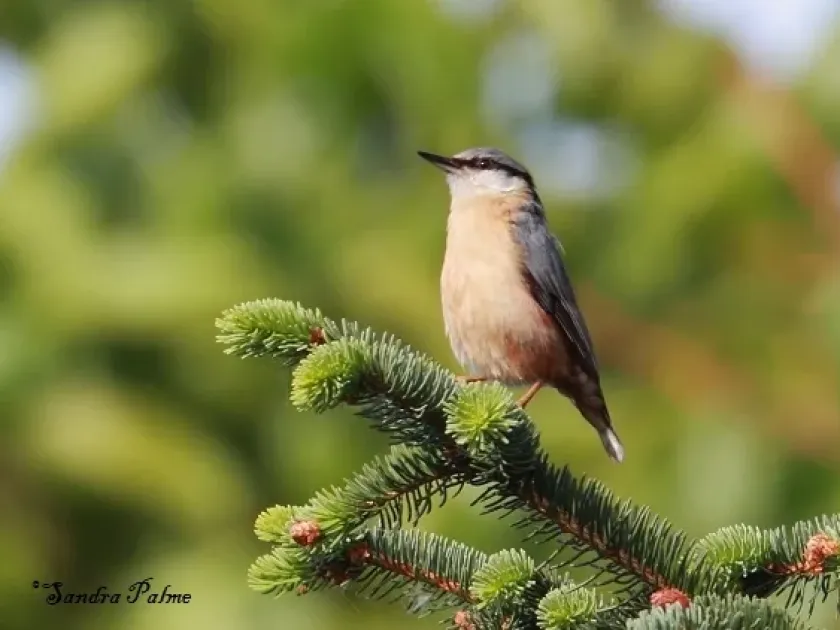
The nuthatch (Sitta europaea) belongs to the order Passeriformes and the family Sittidae. It is a small bird known for its dense body, short tail, and powerful, chisel-like beak adapted for searching for insects in bark crevices.
The plumage is typically blue-gray on the back with a pale, buffy belly. A distinctive black stripe running through the eye makes the nuthatch easily recognizable among other garden inhabitants.
These birds are unique in their ability to climb headfirst down tree trunks, a trait that sets them apart from woodpeckers, which primarily move upwards.
In an agronomic context, the nuthatch is considered a potential pest when its foraging activity leads to structural damage to the bark of fruit-bearing trees during winter and early spring.
Adult nuthatches are about 14–15 cm long and are very active throughout the year, meticulously inspecting the bark of trees for food sources.
What it damages
The nuthatch primarily damages fruit trees such as apples, pears, cherries, and plums. Older trees with rough, fissured bark are most susceptible to their foraging behavior.
The main damage occurs when the bird widens existing bark fissures to access hidden insect larvae, which often leads to the exposure of the cambium layer.
This exposure creates entry points for fungal and bacterial infections, which can jeopardize the health of the tree and lead to the development of wood rot or cankers.
Young trees are also at risk as their thinner bark can be easily torn or gouged during the bird's search for invertebrates during periods of food scarcity.
In addition, the bird's constant pecking can disturb healthy bark tissue, disrupting the tree's internal circulation system and reducing its overall productivity.
When it appears
The risk posed by nuthatches is highest during winter months and early spring, as their natural insect food source is scarce, forcing them to inspect tree trunks more intensively.
The peak of damage often occurs right before the growing season, when the bird aggressively probes the bark to find overwintering pests that are just beginning to stir.
Once spring progresses and a wider range of food becomes available, the bird's interest in damaging bark significantly decreases as they transition to more accessible food sources.
Autumn can also be a period of activity, as nuthatches may cache seeds in bark crevices, further damaging the wood structure and creating risks for secondary infections.
Gardeners should monitor their orchards closely between January and March to spot early signs of damage and implement protection strategies promptly.
Signs of infestation
The most visible sign of nuthatch activity is the presence of fresh, cone-shaped holes or gouges in the bark that resemble the work of a small chisel.
Beneath the trees, you might find fragments of bark or wood chips scattered on the ground, indicating that the bird has been actively excavating the bark surface.
Damaged areas often appear as deep craters reaching into the underlying wood, sometimes accompanied by sap or gum flow, which is the tree's reaction to the injury.
- Fresh claw marks and gouges on the bark.
- Bark peeling around crevices.
- Small, deep holes penetrating the wood.
- Necrotic patches developing around the damaged zones.
If these signs are present, the tree should be treated immediately to prevent pathogens from settling in the open wounds and destroying the wood from within.
Control measures
To protect trees, visual and acoustic deterrents such as reflective tapes, spinning discs, or windmills can be used to create discomfort for the birds.
Applying white horticultural paint (whitewash) to trunks can help seal small fissures and make the bark less attractive for nuthatch inspection.
Wrapping the trunks of young, vulnerable trees with fine-mesh wire or protective agro-textile is an effective way to prevent direct mechanical access to the bark.
Promptly sealing any wounds with wound-healing paste or arboricultural sealant is essential to restore the tree's natural defense barrier against infections.
Setting up feeding stations away from the orchard can effectively distract nuthatches, encouraging them to consume supplemental feed rather than damaging valuable fruit trees.
Taxonomy
- Latin name
- Sitta
- Family
- Sittidae
- EPPO code
- STTASP
Discussion
No discussions yet — be the first.