
Cotton rat
Sigmodon
Description
How to identify
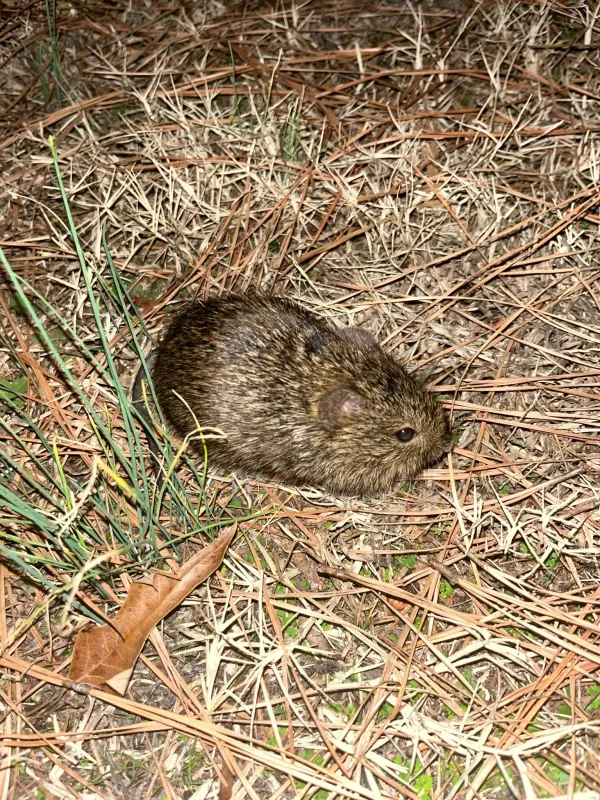
The cotton rat Sigmodon belongs to the order Rodentia and the family Cricetidae. They are robust, medium-sized rodents that resemble common rats but are characterized by a coarser, grizzled pelage.
Adult specimens reach a body length of 12 to 20 centimeters. They possess a dense build, small ears that barely protrude above the fur, and powerful incisors adapted for gnawing through tough plant stems.
The coloration of their fur ranges from grayish-brown to reddish-buff, which provides excellent camouflage within thick vegetation and agricultural fields.
These rodents are known for their territorial behavior and high activity levels during the breeding season. In favorable climates, they can breed year-round, leading to rapid population surges.
The genus includes numerous species, with Sigmodon hispidus being the most significant from an agricultural perspective, given its wide distribution across the Americas.
What it damages
Cotton rats are named for their habit of feeding on cotton plants, but their dietary flexibility allows them to cause significant damage to a wide range of agricultural crops.
They actively destroy crops such as corn, sorghum, sugarcane, and various grains. Additionally, vegetable crops, especially cucurbits and root vegetables, are frequently targeted.
Damage is caused not only by direct consumption of vegetation but also by gnawing on the roots, which leads to the widespread death of young seedlings.
Beyond crop loss, these rodents cause mechanical disruptions to fields by creating extensive networks of tunnels and surface runways, which interfere with normal farm operations.
During periods of high population density, cotton rats can entirely devastate harvests by hollowing out stems and consuming developing fruit.
When it appears
The activity of cotton rats is primarily influenced by environmental conditions. In warmer southern regions, they remain active throughout the year without undergoing hibernation.
Peak population levels typically occur during the main growing season, as abundant food resources promote frequent and successful reproduction.
The species is highly reproductive: a female can produce multiple litters per year, with each litter consisting of 5 to 9 pups on average.
Young individuals reach sexual maturity within a single month, causing the population to expand exponentially within the span of a single agricultural season.
Seasonal migrations are common, especially following harvest activities, as rodents move from cleared fields toward adjacent vegetation or intact crop patches.
Signs of infestation
The most prominent sign of a cotton rat infestation is the presence of distinct, well-worn runways or "trails" through dense grass or crops.
Active burrow entrances, typically 5–8 centimeters in diameter and surrounded by piles of excavated soil, are clear indicators of their subterranean nesting sites.
Evidence of feeding is visible on plant stems, where characteristic incisor marks indicate where the rodents have gnawed at the base or lower stalk of the plants.
- Accumulations of cylindrical, dark green or brown droppings in feeding areas.
- Scattered remains of damaged fruit or seeds left behind after foraging.
- Audible rustling sounds in dense vegetation caused by rodents moving through their runways.
Because these pests are primarily nocturnal, nocturnal surveying with thermal imaging equipment is the most effective way to confirm their current presence in a field.
Control measures
Effective management of cotton rats requires an integrated approach that combines robust cultural practices with targeted chemical control methods.
Deep plowing of the soil is a primary preventive measure; it disrupts the underground tunnel systems, destroys nests, and reduces the shelter available to the population.
Maintaining clean field borders and eliminating tall weeds around the edges of the plantation significantly restricts the food supply and migration routes for the rodents.
Chemical control involving rodenticides should be applied strictly within burrows or inside enclosed bait stations to ensure the safety of non-target species.
Biological control methods, such as enhancing habitats for natural predators like owls, hawks, and snakes, can contribute to long-term population regulation in agricultural areas.
Taxonomy
- Latin name
- Sigmodon
- Order
- Rodents
- Family
- Muridae
- EPPO code
- SIGMSP
Discussion
No discussions yet — be the first.