
Shirahoshizo
Shirahoshizo
Description
How to identify
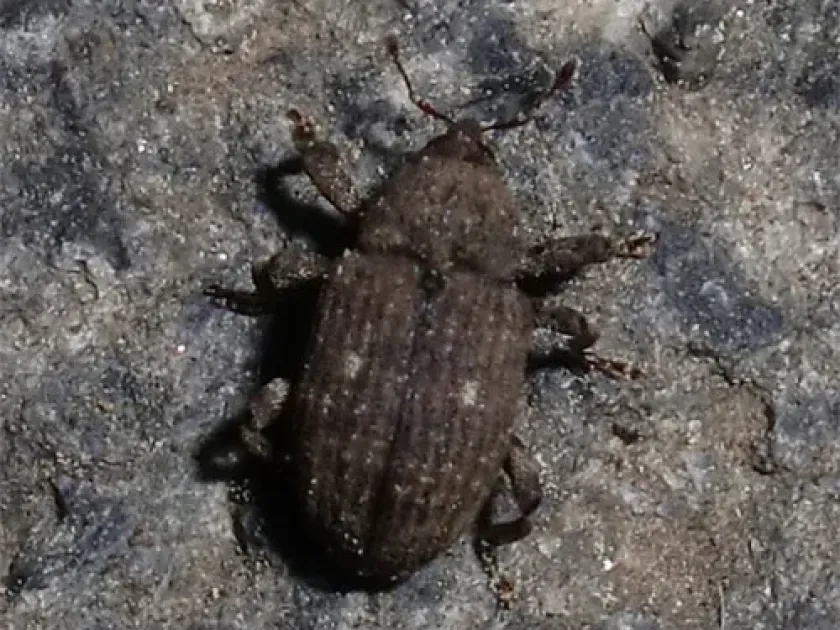
Shirahoshizo (Latin Shirahoshizo) is a genus of weevils belonging to the Curculionidae family. These insects are characterized by a long snout, which they use to penetrate plant tissues.
The coloration of these beetles often provides camouflage, allowing them to blend seamlessly with bark or stems. Adult beetles possess a tough exoskeleton, which often makes them resistant to standard contact insecticides.
The taxonomic classification places them in the order Coleoptera. These insects are known for their high adaptability to various environmental conditions.
Shirahoshizo larvae typically develop inside plant tissues or within the soil, which makes them hidden and difficult to detect. They are legless, whitish grubs equipped with strong mouthparts for boring.
Accurate identification requires professional entomological analysis of morphological traits, as they may resemble other weevil species found in the same region.
What it damages
Both adults and larvae inflict significant damage. Adult beetles feed on buds, young shoots, and foliage, thereby reducing the photosynthetic capacity of the plant.
The larvae are particularly dangerous as they tunnel into stems, branches, or fruits. This causes severe disruption to the plant's vascular system, hindering the transport of nutrients and water.
Woody plants, shrubs, and various agricultural crops commonly cultivated in the Asian region are most frequently targeted by this pest.
Large-scale infestations often lead to the wilting of branches or the death of the entire plant. Furthermore, the pest can act as a vector for secondary fungal infections.
Reduced crop yield and poor quality of harvested fruits are typical consequences of an infestation by this weevil species in orchards and forestry.
When it appears
The activity cycle of Shirahoshizo is strictly linked to temperature and the growing season. In early spring, overwintering adults emerge as temperatures stabilize.
The peak activity of the beetles often coincides with the period of active sap flow in plants, during which time they feed intensively and prepare for egg-laying.
Life expectancy and development rates are highly dependent on the climatic conditions of the specific year. Hot and humid summers tend to favor rapid population growth.
In autumn, the insects enter diapause, seeking overwintering sites such as leaf litter, topsoil layers, or bark crevices.
Understanding these seasonal rhythms is critical for timing prophylactic insecticide applications correctly.
Signs of infestation
The first signs of infestation include small, distinct holes on leaves and young shoots. In many cases, buds may appear damaged and fail to open properly.
Another key indicator is the drying of specific branch tips or shoots, signaling that larvae have tunneled inside. Cross-cutting such branches usually reveals their galleries.
The presence of frass (insect excrement) near damage sites on the bark or within fruits is a clear indicator of active feeding and reproduction.
Deformed fruit and premature fruit drop are also common symptoms associated with many species of the Shirahoshizo genus. Affected plants often appear stunted and weak.
- Yellowing or wilting of foliage on specific branches.
- Visible entry/exit holes in the wood.
- Reduced growth rates of shoots.
- Premature fruit shedding.
Control measures
Effective control of Shirahoshizo relies on a combination of cultural and chemical practices. Regular pruning and destruction of infested branches are essential to reduce the overall population.
Systemic insecticides are recommended during periods of peak adult emergence, as they are capable of reaching the pest within plant tissues.
Biological control methods involve the use of entomopathogenic fungi and nematodes, which target larvae residing in the soil or within woody tissue.
Adhering to proper crop rotation and maintaining optimal plant vigor help increase natural resistance against weevil-related damage.
Monitoring population levels using pheromone traps allows for precise timing of interventions, thereby significantly increasing the efficiency of control measures.
Taxonomy
- Latin name
- Shirahoshizo
- Order
- Coleoptera (beetles)
- Family
- Curculionidae
- EPPO code
- SHIRSP
Discussion
No discussions yet — be the first.