
Elm bark beetle
Scolytus subscaber
Description
How to identify
The elm bark beetle (Scolytus subscaber) belongs to the Curculionidae family and the Scolytinae subfamily. These insects are small beetles, typically measuring between 3.5 and 5 mm in length, characterized by a cylindrical, dark brown or black body.
A distinctive feature of this species is the heavy punctuation on its elytra. The pronotum is robust and blends into the body shape, a morphology common among the genus Scolytus, adapted for navigating under tree bark.
The larvae are legless, white grubs with a brown, sclerotized head capsule. They spend their entire developmental phase feeding within the inner bark, which shields them from environmental hazards and external predators.
Identification often relies on the visual detection of entrance and exit holes. These are tiny, circular perforations on the surface of the bark, signifying the presence of adult beetles or the emergence of a new generation.
Because they are cryptic pests, finding them before significant damage occurs requires vigilance and a thorough understanding of the tree's health indicators during the spring and summer months.
What it damages
This beetle primarily attacks trees within the Ulmus genus. While it prefers weakened or stressed trees, dense populations can pose a significant risk to healthy specimens, leading to large-scale devastation.
The damage is caused by both adults and larvae feeding on the phloem and cambium. By mining extensive gallery networks under the bark, they disrupt the plant's vascular tissue, effectively choking off the transport of water and nutrients.
Scolytus subscaber serves as a primary vector for pathogens, most notably the fungus responsible for Dutch elm disease. This ecological role drastically increases its importance as a destructive pest in urban and forest settings.
As the vascular system is compromised, the tree's defensive mechanisms fail, leading to rapid crown dieback, foliage yellowing, and eventual mortality of the infested tree parts or the entire host.
Continuous infestation results in large patches of necrotic tissue under the bark, making the tree structurally unstable and susceptible to subsequent secondary infestations by other pests and decay fungi.
When it appears
The adult activity period generally begins in late spring and continues through the summer. Warm temperatures are essential for the emergence of beetles from their overwintering sites beneath the bark.
After emergence, adults engage in maturation feeding on young twigs before searching for suitable host trees to initiate egg-laying. This is a critical time for monitoring and population control.
Depending on the climatic conditions and regional temperature patterns, the lifecycle from egg to adult can be completed in as little as one to two months, allowing for overlapping generations during a single season.
Winter survival is typically achieved through the larval stage, which remains dormant beneath the bark until spring temperatures trigger resumed activity and metamorphosis into pupae.
Understanding these seasonal patterns is essential for arborists, as it helps determine the optimal timing for protective applications or the implementation of mechanical control measures.
Signs of infestation
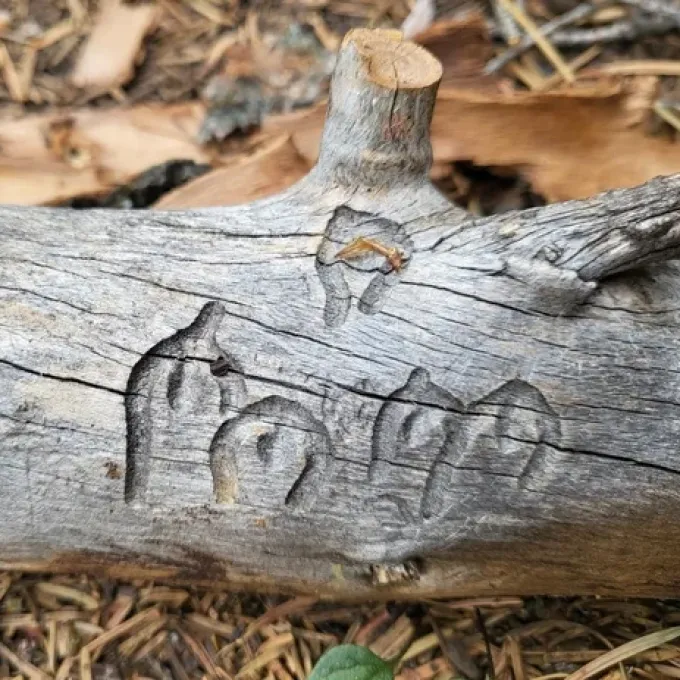
The most prominent sign of infestation is the shot-hole pattern on the bark, indicating where adult beetles have emerged after completing their development inside the tree.
The accumulation of frass—fine, sawdust-like bore dust—in bark crevices or at the base of the trunk is a strong indicator of active larval feeding galleries just beneath the bark surface.
Visible decline in the tree canopy, such as premature yellowing, flagging (wilting of specific branches), and foliage loss, often points to systemic vascular disruption caused by the beetle's tunneling activities.
Peeling back a section of the infested bark reveals complex gallery patterns. These typically consist of a distinct, short main egg-laying tunnel with radiating larval galleries that increase in diameter.
In advanced cases, sap flow disruption may cause bark cracks or resinous exudates, while fungal growth associated with the beetle's presence may cause visible staining on the inner wood.
Control measures
Management must be comprehensive, starting with the prompt removal and destruction of infested wood to prevent the spread of the beetle to healthy trees in the vicinity.
- Conducting regular forest health inspections to identify hotspots.
- Applying targeted insecticides to trunks during the adult flight period.
- Utilizing systemic trunk injections to provide long-lasting protection.
- Enhancing tree vigor through proper irrigation and balanced fertilization.
- Employing pheromone traps to monitor population levels and adult activity.
The use of biological control agents, such as parasitoid wasps that hunt beetle larvae, can be effective in maintaining natural ecological balance in larger forest ecosystems.
Systemic monitoring and immediate action upon detecting the first signs of infestation remain the most reliable strategies for protecting high-value elm trees from this pest.
By integrating preventive cultural practices and modern chemical or biological interventions, arborists can significantly mitigate the risks posed by Scolytus subscaber.
Taxonomy
- Latin name
- Scolytus subscaber
- Order
- Coleoptera (beetles)
- Family
- Curculionidae
- EPPO code
- SCOLSB
Discussion
No discussions yet — be the first.