
Cardamom thrips
Sciothrips cardamomi
Description
How to identify
Sciothrips cardamomi belongs to the order Thysanoptera and the family Thripidae. This insect is a significant pest primarily known for affecting cardamom plants.
Adult insects are minute, usually about 1.5–2 mm in length, with a brownish body and characteristic fringed wings. Their slender appearance allows them to hide effectively in tight spaces.
Larvae are smaller than adults and pale in color, often found clustering within the flower buds. They lack fully developed wings, focusing primarily on feeding and growth.
The life cycle encompasses several stages: egg, two larval instars, prepupa, pupa, and adult. The entire process is highly dependent on ambient temperature and humidity.
These insects are highly mobile, especially in warm weather, making them capable of spreading rapidly across a field if environmental conditions are favorable.
What it damages
The primary host for this pest is cardamom (Elettaria cardamomum). It specifically targets the reproductive parts of the plant, including flowers and developing capsules.
By piercing and sucking sap from plant tissues, the thrips cause necrotic spots and serious structural damage. This directly affects the quality and weight of the harvest.
The damage often results in malformed capsules that are considered unsuitable for commercial use, significantly reducing the economic value of the produce.
Secondary infections, such as fungal pathogens, often exploit the entry points created by the thrips, leading to further decay of the affected plant parts.
High infestation levels can lead to total crop failure, as the plant directs its energy to recover from the damage rather than developing healthy seeds.
When it appears
The activity of the pest is largely dictated by the blooming season of the cardamom plant. They are most prevalent when the plants are producing flower buds.
Warm, humid climates provide the optimal conditions for reproduction. During prolonged dry spells, the population may decline, but survivors often persist in sheltered areas.
Seasonal rains often trigger a surge in the thrips population, as the vegetation becomes lush and provides ample food sources for the incoming generations.
Growers should be particularly vigilant during the early flowering stages, as the initial colonizers can cause widespread damage within a short period.
Monitoring throughout the growing season is essential to identify the transition points where the population begins to build up rapidly.
Signs of infestation
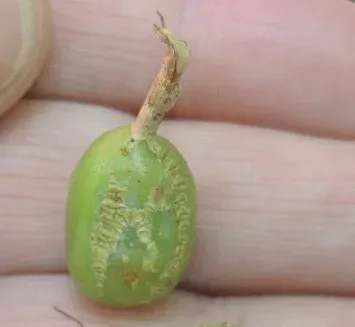
Typical signs of damage include the presence of brown scabs or scars on the skin of the developing cardamom capsules, making them look unattractive.
Leaves may show silvering or bronzing, which is a result of the thrips removing cell content and chlorophyll from the surface layers.
- Stunted or deformed fruit capsules.
- Premature flower drop preventing seed set.
- Visible dark excrement spots on the leaves and flowers.
- Curling and wilting of young shoot tips.
Closer inspection using a magnifying glass reveals clusters of larvae inside the flower bracts, which is the most reliable sign of an active infestation.
Control measures
Integrated Pest Management (IPM) is the most effective approach, combining chemical control with biological and cultural practices.
The use of systemic insecticides helps reach the hidden stages of the pest located deep within the flower parts, ensuring better coverage.
Cultural practices, such as removing infested plant debris and maintaining field hygiene, are critical to disrupting the life cycle of the insect.
Sticky traps (blue or yellow) serve as an excellent monitoring tool, providing early warning signals and helping to reduce the overall adult population.
Farmers should rotate between different classes of insecticides to prevent the development of resistance within the local population of the cardamom thrips.
Taxonomy
- Latin name
- Sciothrips cardamomi
- Order
- Thrips
- Family
- Thripidae
- EPPO code
- TAETCA
Discussion
No discussions yet — be the first.