
Sciobius
Sciobius
Description
How to identify
The genus Sciobius belongs to the family Curculionidae, commonly known as true weevils, within the order Coleoptera. These beetles are characterized by their snout-like mouthparts, which are a hallmark of this taxonomic group, adapted for feeding on various plant tissues.
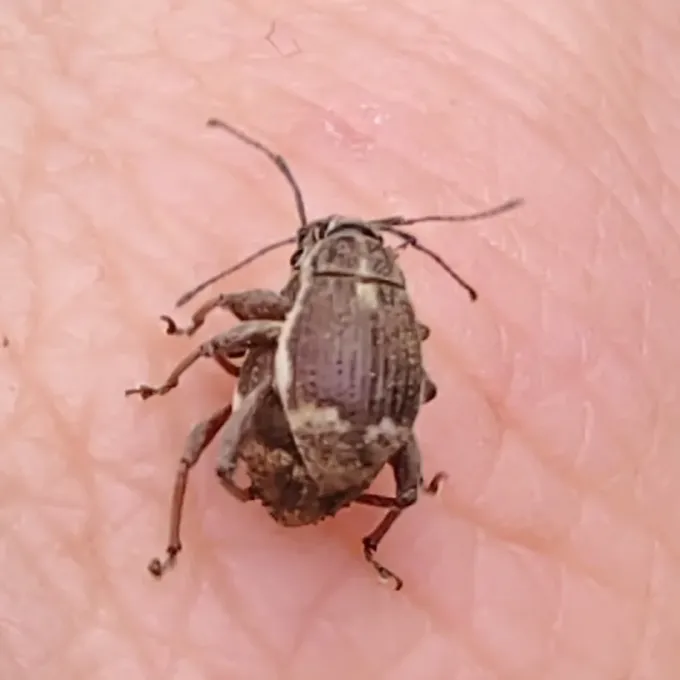
Adult Sciobius specimens often exhibit cryptic coloration, frequently covered in scales that mimic the texture and color of the soil or plant bark. This adaptation serves as an effective camouflage against predators, making them difficult to detect during daylight hours.
The larval stage is characterized by a legless, C-shaped body with a hardened, brown head capsule. These larvae are primarily subterranean, dwelling within the root zone, which protects them from environmental stressors and conventional surface-applied treatments.
The life cycle encompasses complete metamorphosis, consisting of the egg, larva, pupa, and adult stages. Depending on the environmental conditions and species-specific traits, the duration of the life cycle can vary, potentially overlapping across multiple generations.
Identifying specific species within the Sciobius genus often requires specialized knowledge of internal and external morphological structures, such as the shape of the pronotum and reproductive anatomy, ensuring precise pest management decisions.
What it damages
Sciobius species are known to cause significant damage to a variety of agricultural and horticultural crops, particularly in African regions. Their impact spans across citrus plantations, legumes, and various fruit-bearing trees, affecting both yield and overall plant vigor.
Adult weevils feed on foliage, creating characteristic notched or serrated edges on leaves. While this foliage damage can be visually alarming, the primary concern usually stems from the cumulative loss of photosynthetic area in heavily infested crops.
Larval feeding on roots is the most damaging phase of the insect's life cycle. By consuming the primary root structure and root hairs, larvae impair the plant's ability to absorb water and essential nutrients, leading to stunted growth, wilting, and potential death.
The compromised root systems often become susceptible to secondary infections by soil-borne pathogens, including various fungi and bacteria. This complex of biotic damage can exacerbate the decline of affected plants, making recovery difficult.
Economic losses are significant, particularly in plant nurseries and young orchards where root damage results in the rapid loss of valuable stock. Persistent infestations can lead to decreased harvest quality and the need for costly replanting efforts.
Control measures
Effective management of Sciobius requires an integrated pest management (IPM) approach that combines cultural, biological, and chemical methods. Soil cultivation techniques are essential to disrupt the life cycle of pupating larvae in the upper soil layers.
Chemical control focuses on the use of soil-applied insecticides that target larvae in their subterranean habitats. For adult populations, foliar treatments are utilized during peak activity periods, identified through regular monitoring and scouting programs.
Biological control agents, such as entomopathogenic nematodes, are highly effective against larval stages in the soil. These microscopic organisms locate and infect the larvae, providing a sustainable alternative to broad-spectrum chemical pesticides.
Monitoring using pheromone traps or systematic field inspections is crucial for timely intervention. By tracking the population density of adult weevils, growers can optimize the timing of applications, ensuring maximum efficacy and reduced environmental impact.
Cultural practices, including proper weed management and the use of resistant rootstocks, serve as long-term preventative measures. These strategies help create a less hospitable environment for Sciobius, thereby lowering the risk of severe infestations.
Taxonomy
- Latin name
- Sciobius
- Order
- Coleoptera (beetles)
- Family
- Curculionidae
- EPPO code
- SCIBSP
Discussion
No discussions yet — be the first.