
Scepticus insularis
Scepticus insularis
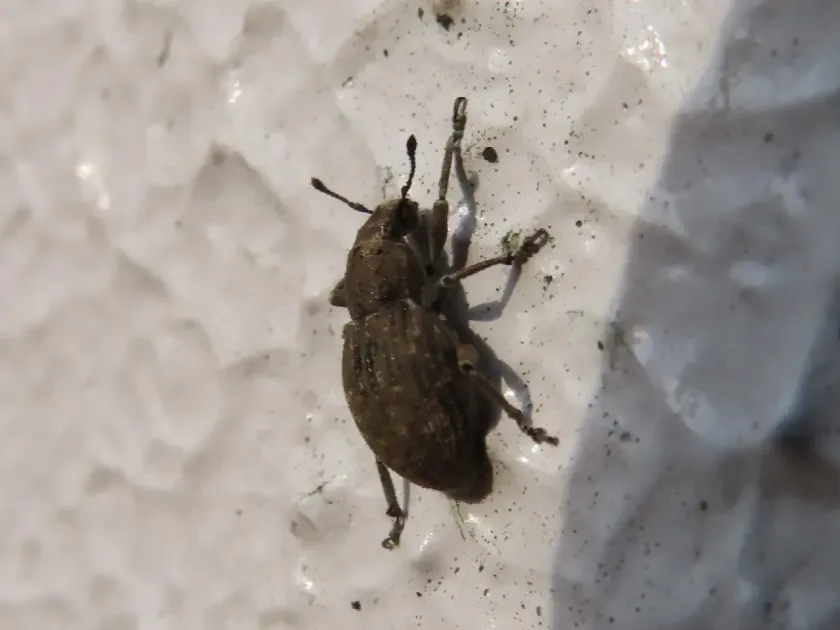
Description
How to identify
Scepticus insularis is a member of the Curculionidae family, commonly known as weevils. These beetles are characterized by their small size and dull grayish-brown coloration, which provides excellent camouflage against soil particles and plant debris.
The larvae of this species live entirely underground. They possess a C-shaped, legless body that is creamy white in color, typical of root-feeding weevil larvae found in temperate agricultural zones.
Adult beetles have a hardened exoskeleton and a distinct snout, which is a hallmark of the Curculionidae family. They are primarily nocturnal, hiding in the soil or under surface cover during the daylight hours.
The life cycle of Scepticus insularis involves complete metamorphosis: egg, larva, pupa, and adult. Each stage is adapted to survive specific seasonal conditions, which dictates the timing of management interventions.
Being highly adaptable, these beetles can survive in varied environmental conditions, making them a persistent pest in regions where host crops are cultivated continuously without proper rotation.
What it damages
The damage caused by Scepticus insularis is two-fold. Adults feed on the foliage of host plants, creating distinctive semicircular notches along the leaf margins, which reduces the plant's photosynthetic capacity.
The larvae are far more destructive, feeding on the root systems of young crops. This root damage inhibits the uptake of water and essential nutrients, leading to stunted growth and potentially plant death.
Leguminous crops, particularly soybeans, are primary hosts for this pest. The impact on root health often results in uneven crop stands, leading to significant yield losses across infested fields.
Root wounds inflicted by the larvae serve as entry points for secondary pathogens, such as soil-borne fungi and bacteria, which often lead to severe root rots that further degrade plant health.
In high populations, the feeding activities of the larvae can completely destroy the root system of young seedlings, forcing growers to replant entire sections of their fields.
When it appears
Adult beetles typically emerge from their overwintering sites in the soil during the early spring, coinciding with the germination and early vegetative stages of major field crops.
Peak activity for the adults occurs during late spring and early summer. During this time, they actively feed and mate, after which the females deposit eggs in the soil near the base of host plants.
Larval development is most intense during the summer months when soil moisture and temperature are optimal for growth. This is the period when the most significant damage to the root zone occurs.
The insect overwintering process usually takes place in the soil, either as mature larvae or as inactive adults, depending on the climatic zone and soil conditions.
Weather fluctuations can significantly influence the pest population. For instance, cold winters can reduce the survival rate of larvae in the upper soil layers, while mild winters can lead to higher early-season pressure.
Signs of infestation
The most visible sign of infestation is the notched appearance of leaves, specifically the clean, semicircular bites taken from the edges of the leaf blades by adult beetles.
Plants that are visibly wilted or stunted during the heat of the day, despite adequate soil moisture, often indicate that the root system has been compromised by larval feeding.
Digging into the soil around the base of affected plants usually reveals the presence of C-shaped, white larvae residing in the root zone.
Using a sweep net or ground cloth at night is an effective way to monitor adult activity, as the beetles are primarily nocturnal and emerge for feeding after sunset.
The presence of irregular patches of struggling or dead plants in a field is a major indicator that larval populations have reached damaging levels in the soil.
Control measures
Crop rotation is the most critical cultural practice for controlling Scepticus insularis. By interrupting the host plant cycle, populations can be significantly reduced over time.
Deep autumn tillage is highly effective, as it brings larvae and pupae to the soil surface, exposing them to predators such as birds and to lethal temperature fluctuations during winter.
Chemical control often involves the use of systemic insecticide seed treatments, which provide a window of protection for developing seedlings against early-stage larval attack.
If economic thresholds are exceeded during the vegetative phase, nighttime applications of contact insecticides are recommended to target the nocturnal adult beetles directly.
- Implementation of diverse crop rotations.
- Rigorous weed control to eliminate alternative hosts.
- Use of biological control agents, such as entomopathogenic fungi, to target soil larvae.
Taxonomy
- Latin name
- Scepticus insularis
- Order
- Coleoptera (beetles)
- Family
- Curculionidae
- EPPO code
- SCEPIN
Discussion
No discussions yet — be the first.