
Grey bud weevil
Scepticus griseus
Description
How to identify
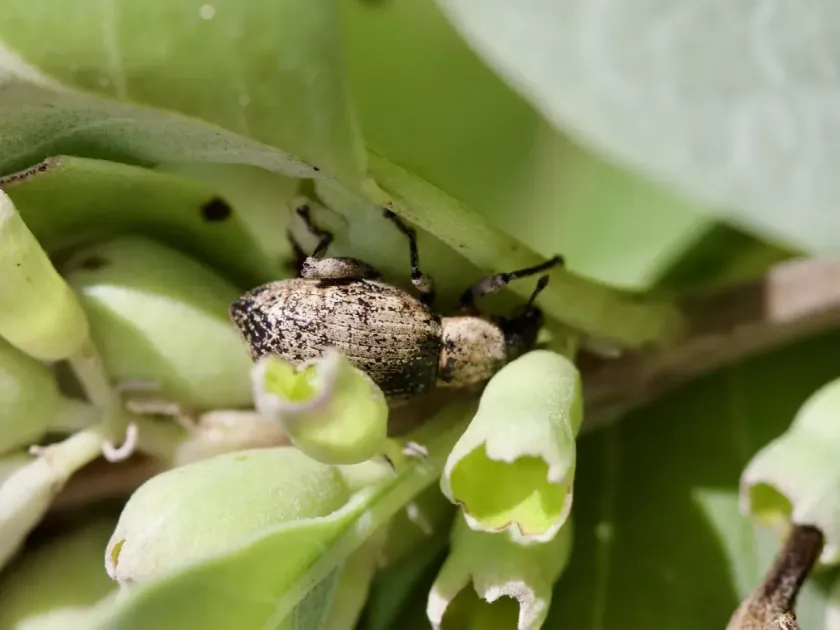
The grey bud weevil (Scepticus griseus) is a small beetle characterized by its grey or brownish-grey hairy body, which provides excellent camouflage against tree bark.
Adult beetles typically measure between 6 and 8 millimeters in length and feature the compact build and short snout typical of the Curculionidae family members.
Taxonomically, this species belongs to the order Coleoptera and the family Curculionidae, and it is known to be predominantly nocturnal or crepuscular in nature.
The larvae are whitish, C-shaped, and develop within the soil, where they feed on the roots of various host plants, making the species a threat to both root systems and buds.
Due to its cryptic coloration, the adult beetle is often difficult to spot during daylight hours, as it remains hidden in bark crevices or among leaf litter.
What it damages
This pest is a polyphage, capable of damaging a wide variety of agricultural crops, including fruit trees, berry bushes, and various vegetable species.
The most significant damage occurs in early spring when adult weevils feed heavily on swelling and opening buds, often destroying the entire potential harvest of a branch.
Besides buds, the beetles also feed on young leaves, creating irregular, notched edges on the leaf margins, which impairs photosynthesis and plant development.
In cases of heavy infestation, young trees may suffer from complete bud loss on branches, leading to weakened trees and reduced overall vigor and productivity.
Larval feeding on the root system can further contribute to the decline of host plants, causing them to be more susceptible to environmental stressors like drought.
When it appears
Adult activity typically begins in early spring as soon as temperatures rise, coinciding with the phenological stage of bud swelling on fruit trees.
During the day, the beetles remain inactive, hiding in the soil or under debris, while they emerge to feed on the foliage and buds during the night hours.
The period of bud burst is considered the critical window for intervention, as this is when the adult weevils are most actively damaging the vulnerable plant tissues.
The life cycle usually involves one generation per year, with the insects overwintering in the soil as larvae or occasionally as adults before emerging in spring.
As summer approaches, adult activity declines, though the larval stage continues its development underground, feeding on root hairs and subterranean plant parts.
Signs of infestation
The most obvious sign of infestation is the presence of hollowed-out, dormant buds that fail to open, accompanied by ragged, notched leaf margins on young shoots.
Inspecting trees at night using a flashlight is the most reliable method for detecting adult weevils actively foraging in the tree canopy.
Finding a high density of beetles within the leaf litter beneath host trees is a strong indicator of an established local population requiring immediate control.
Stunted growth of new shoots and the dieback of small branches are common secondary indicators of a severe and persistent weevil infestation.
- Empty or damaged buds that do not produce growth.
- Irregular feeding notches along the edges of new leaves.
- Visible decline in tree health and reduced seasonal shoot growth.
Control measures
Effective management includes early spring applications of systemic or contact insecticides when adult beetles first emerge from the soil to climb the trees.
Mechanical control measures, such as autumn soil cultivation in the root zone, help to disturb and destroy the larvae and overwintering pupae hidden in the soil.
Applying sticky bands or glue barriers around the trunks of trees can effectively block the movement of adults, preventing them from reaching the buds.
Maintaining a clean orchard floor by removing weeds and debris minimizes the availability of daytime hiding spots and secondary food sources for the pest.
Integrated pest management strategies often include the use of soil-applied entomopathogenic organisms to target the larval stage without broad-spectrum chemical use.
Taxonomy
- Latin name
- Scepticus griseus
- Order
- Coleoptera (beetles)
- Family
- Curculionidae
- EPPO code
- SCEPGR
Discussion
No discussions yet — be the first.