
Scepticus
Scepticus
Description
How to identify
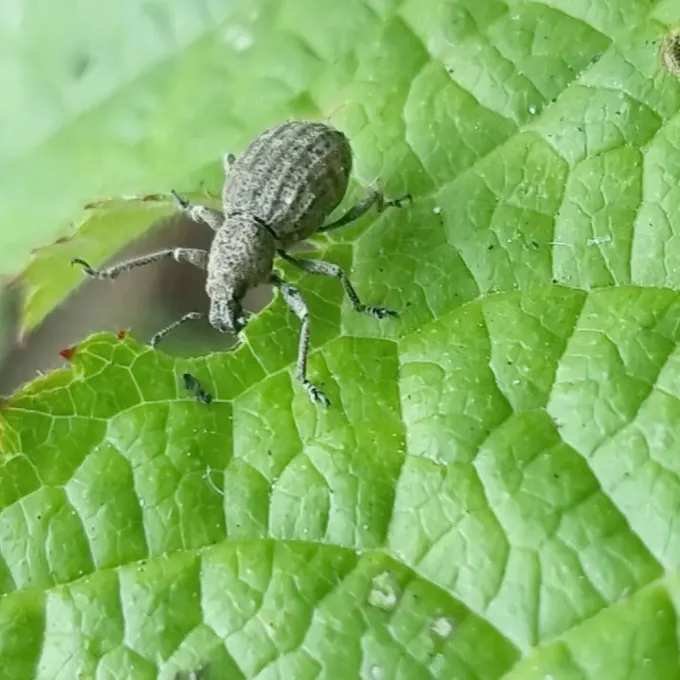
Scepticus is a genus of beetles belonging to the family Curculionidae (weevils), which are part of the order Coleoptera. These insects are characterized by a distinct elongated rostrum, which they use to feed on various plant tissues.
Adults typically exhibit a gray, brown, or brownish coloration, providing excellent camouflage against soil and organic debris. Their bodies are covered in scales, with the specific pattern varying depending on the species within the genus.
The life cycle involves complete metamorphosis: egg, larva, pupa, and imago. The adult beetles are predominantly nocturnal, making them difficult to detect during standard daytime field inspections.
The larvae live in the soil and are typical of the weevil family, having a legless, C-shaped, whitish body. They primarily develop in the root zone, where they feed on root systems or decaying organic matter.
Identification often requires night sampling using light traps or systematic soil examination to detect larvae during their peak development phase in the root environment.
What it damages
Scepticus acts as a polyphage, affecting a wide range of agricultural crops, including legumes like soybeans and certain industrial crops. Adults cause the primary damage to the aerial parts of plants.
Adult beetles feed on the edges of leaves, creating characteristic notched or "scalloped" patterns. Under high population pressure, they can strip the leaves almost entirely, leaving only the main veins intact.
The larvae damage the root system, which severely hinders the plant's ability to absorb water and essential nutrients. This is especially critical during the early stages of plant growth, often causing stunted development.
Extensive damage to the root system by larvae often results in lodging, chlorosis, and premature wilting, particularly during drought conditions or peak heat stress.
The pest is most destructive to young soybean stands, as the reduction of leaf surface area and impaired root function significantly degrade both crop yield and quality.
When it appears
Adult Scepticus activity begins in the spring when temperatures rise, allowing beetles to emerge from their overwintering sites in the soil or under surface debris.
The peak emergence of adults often coincides with the germination phase of host crops, creating a vulnerable window for seedlings to be attacked by the emerging pest population.
The life cycle is closely linked to soil moisture levels; sufficient rainfall during the pupation period promotes the successful transition to the adult stage, typically peaking in early summer.
Overwintering occurs primarily in the upper soil layers or beneath dense crop residue, providing protection against the harsh winter climate until conditions become favorable for activity.
As autumn approaches, adult activity gradually declines, and they migrate deeper into the soil profile to begin their winter diapause, completing the annual cycle.
Signs of infestation
The primary symptom of infestation is the presence of distinct semi-circular or irregular notches along the leaf margins, which are a hallmark of Scepticus feeding behavior.
Since the beetles are nocturnal, they remain hidden at the base of the plant during the day, making direct observation difficult without careful inspection of the plant's lower foliage.
A secondary sign involves the condition of the root system; plants that exhibit slowed growth and are easily pulled from the soil often show signs of larval root feeding and necrosis.
Detection can be confirmed by using sweep nets at night to catch adult beetles or by performing soil digs around the base of affected plants to inspect for larvae.
General yellowing of the crop and patchy distribution of growth are indirect signs that the root system has been compromised by the feeding activity of larvae.
Control measures
Agricultural management relies heavily on crop rotation, which prevents the build-up of larvae populations in the soil and interrupts the pest's annual reproductive cycle.
Effective soil preparation techniques, such as deep plowing, help destroy pupae and larvae located in the topsoil, significantly reducing the survival rate of the overwintering generation.
Chemical control involving seed treatment with systemic insecticides provides a crucial defensive barrier for young seedlings, offering protection during the most sensitive early growth stages.
When population densities exceed economic thresholds, foliar insecticide applications may be necessary to minimize damage to the foliage and preserve the photosynthetic capacity of the plants.
- Maintaining spatial isolation from previous year's host crop fields.
- Rigorous weed control in and around fields to eliminate alternative food sources.
- Monitoring pest density using light or pheromone traps for timely intervention.
Taxonomy
- Latin name
- Scepticus
- Order
- Coleoptera (beetles)
- Family
- Curculionidae
- EPPO code
- SCEPSP
Discussion
No discussions yet — be the first.