
Salambona analamprella
Salambona analamprella
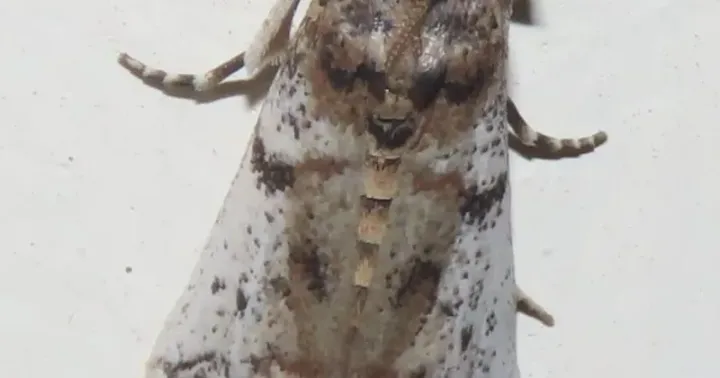
Description
How to identify
Salambona analamprella is a small moth species belonging to the order Lepidoptera. With a modest wingspan of 12-15 mm, these moths are often difficult to spot due to their cryptic coloration.
The adult moths exhibit patterns in shades of brown, gray, and ochre, which provide excellent camouflage against the bark and foliage of their host plants.
Taxonomically, they fall under the group of small moths that are frequently observed in agricultural and forest ecosystems as minor pests with high reproductive potential.
The larvae, or caterpillars, are small and have a well-developed chewing mouthpart designed for efficient feeding on the tender tissues of plant leaves.
The insect undergoes a complete metamorphosis, including egg, larva, pupa, and adult stages, each requiring specific environmental triggers for progression.
##damage##This pest primarily attacks various woody and ornamental plants, causing significant stress to the host through the consumption of leaf parenchyma.
Feeding patterns typically result in leaf skeletonization, where only the veins remain, which severely inhibits the plant's ability to perform photosynthesis.
In cases of severe infestation, the larvae can damage buds and young shoots, leading to stunted growth and potentially permanent deformation of the plant structure.
Reduced vigor in affected trees makes them more susceptible to secondary infections and environmental stress, ultimately leading to yield loss in fruit species.
The accumulation of waste material and silk webbing from the larvae can also promote the growth of sooty mold, further damaging the foliage.
When it appears
Adult moths emerge in late spring, aligning their activity with the onset of the plant growing season and favorable thermal conditions for mating.
The peak larval activity occurs during the warmer summer months, when caterpillars feed aggressively to support their rapid growth and development.
Generation turnover can be quite rapid, with the potential for multiple generations per year depending on the climatic conditions of the specific geographic region.
As autumn approaches, the insect prepares for overwintering, often choosing protected sites in bark crevices or plant debris to enter the pupal stage.
Monitoring the flight periods of the adults is critical for determining the timing of control measures to target the most vulnerable stages of the pest.
Signs of infestation
Early warning signs of an infestation include the appearance of tiny holes on the leaf surface, which gradually expand into larger patches of damaged tissue.
The presence of fine silk webbing between leaves or around buds is a classic indicator of caterpillar activity and their need for protective nesting.
Leaf discoloration, ranging from yellowing to browning, occurs as the larvae disrupt the vascular flow and cellular integrity of the leaves.
Small, dark frass pellets scattered on leaves or caught in webbing serve as unmistakable evidence that the caterpillars are actively feeding nearby.
Visual confirmation of adults resting on stems or foliage during the day or using light traps at night is the most reliable method for identification.
Control measures
Effective management of Salambona analamprella requires a holistic approach, integrating physical, biological, and chemical strategies for optimal results.
Cultural practices, such as pruning affected branches and removing fallen debris, are essential to reduce the population overwintering in the garden.
Biological control, including the encouragement of natural predators like parasitic wasps, can help keep pest populations below the economic threshold.
When chemical intervention is necessary, the use of targeted, low-toxicity insecticides applied during the early larval stage provides the best outcome.
- Regular monitoring with pheromone traps for early detection.
- Application of Bacillus thuringiensis based bio-insecticides.
- Sanitation to remove overwintering sites in the canopy and ground layer.
Taxonomy
- Latin name
- Salambona analamprella
- Order
- Lepidoptera (butterflies)
- Family
- Pyralidae
- EPPO code
- ZOPHAN
Discussion
No discussions yet — be the first.