
Rhopobota
Rhopobota
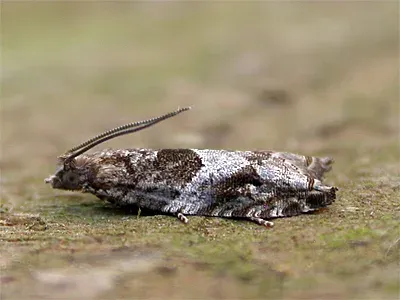
Description
How to identify
Rhopobota is a genus of moths belonging to the Tortricidae family. These insects typically have a modest wingspan with mottled brown or greyish patterns that provide excellent camouflage against tree bark.
The larvae, or caterpillars, progress through several growth stages, often shifting in color from pale shades to greenish tints. They possess powerful chewing mouthparts adapted for consuming plant tissues.
Systematically, this pest falls under the order Lepidoptera. The most notable species within the genus is Rhopobota naevana, known for its impact on various woody plants and shrubs.
Identification is often nuanced due to color variations across different habitats. Entomologists frequently rely on pheromone traps to capture adult moths for accurate species verification.
The life cycle is highly dependent on environmental variables, which dictate the number of generations that can occur within a single growing season.
What it damages
Rhopobota affects a wide variety of plants, ranging from wild species to economically valuable crops. Members of the Rosaceae and Ericaceae families are particularly susceptible.
The larvae feed primarily on new foliage, flower buds, and tender shoots. By consuming the leaf parenchyma, they significantly hinder the plant's photosynthetic capacity and general development.
Under high population density, these caterpillars can destroy a significant portion of fruit buds, leading to substantial yield losses in orchards and berry plantations.
In nurseries, Rhopobota is a critical concern, as larval feeding on terminal shoots causes structural deformation and stunted growth in young saplings.
- Rhododendrons and azaleas
- Apples and pears
- Cranberries and lingonberries
- Various ornamental shrubs
When it appears
The life cycle commences in early spring when overwintering eggs or larvae emerge in response to rising temperatures and the onset of plant vegetation.
The adult moth flight for the first generation typically occurs in late spring or early summer. This period is critical as females lay eggs on fresh plant growth.
A second generation of larvae often develops during mid-to-late summer, causing further damage to maturing leaves and developing shoots before the plant enters dormancy.
Overwintering stage varies by region, but the pest most commonly survives in the egg stage, tucked away in bark crevices or near protective bud scales.
Weather conditions such as a mild, humid spring can accelerate larval development, potentially leading to increased pest pressure throughout the summer months.
Signs of infestation
The most prominent sign of infestation is the presence of curled or rolled leaves, which larvae web together to create protective silk-lined shelters.
Tips of infested shoots often show visible mining or ragged edges, leading to wilting and eventual necrosis of the damaged plant parts.
Accumulation of larval frass (excrement) within these webbed clusters is a definitive indicator of active feeding by the caterpillars on the host plant.
Flower buds damaged by Rhopobota larvae often fail to open properly or produce malformed blooms that drop prematurely, reducing the aesthetic and productive value.
Evening observations of adult moths flying near host plants can provide early warning, allowing for timely intervention before the eggs hatch into larvae.
Control measures
Effective management of Rhopobota requires an integrated approach, balancing mechanical interventions with biological and chemical control methods.
Manual removal of webbed leaf clusters and infested tips is highly effective for small-scale gardens or when pest populations are at an early stage.
Biological insecticides containing Bacillus thuringiensis offer a targeted solution, eliminating caterpillars while preserving essential pollinators and natural predators.
Chemical control should be timed to coincide with the period of peak larval emergence, as larvae become increasingly protected once they roll the leaves.
Utilizing pheromone-based monitoring systems helps identify the precise timing for treatments, ensuring maximum efficacy while minimizing unnecessary chemical use.
Taxonomy
- Latin name
- Rhopobota
- Order
- Lepidoptera (butterflies)
- Family
- Tortricidae
- EPPO code
- RHPOSP
Discussion
No discussions yet — be the first.